
FAQ
Medical CE & FDA Regulatory FAQ: Compliance Standards for Is digital traceability implemented across all machining cells?
Overview
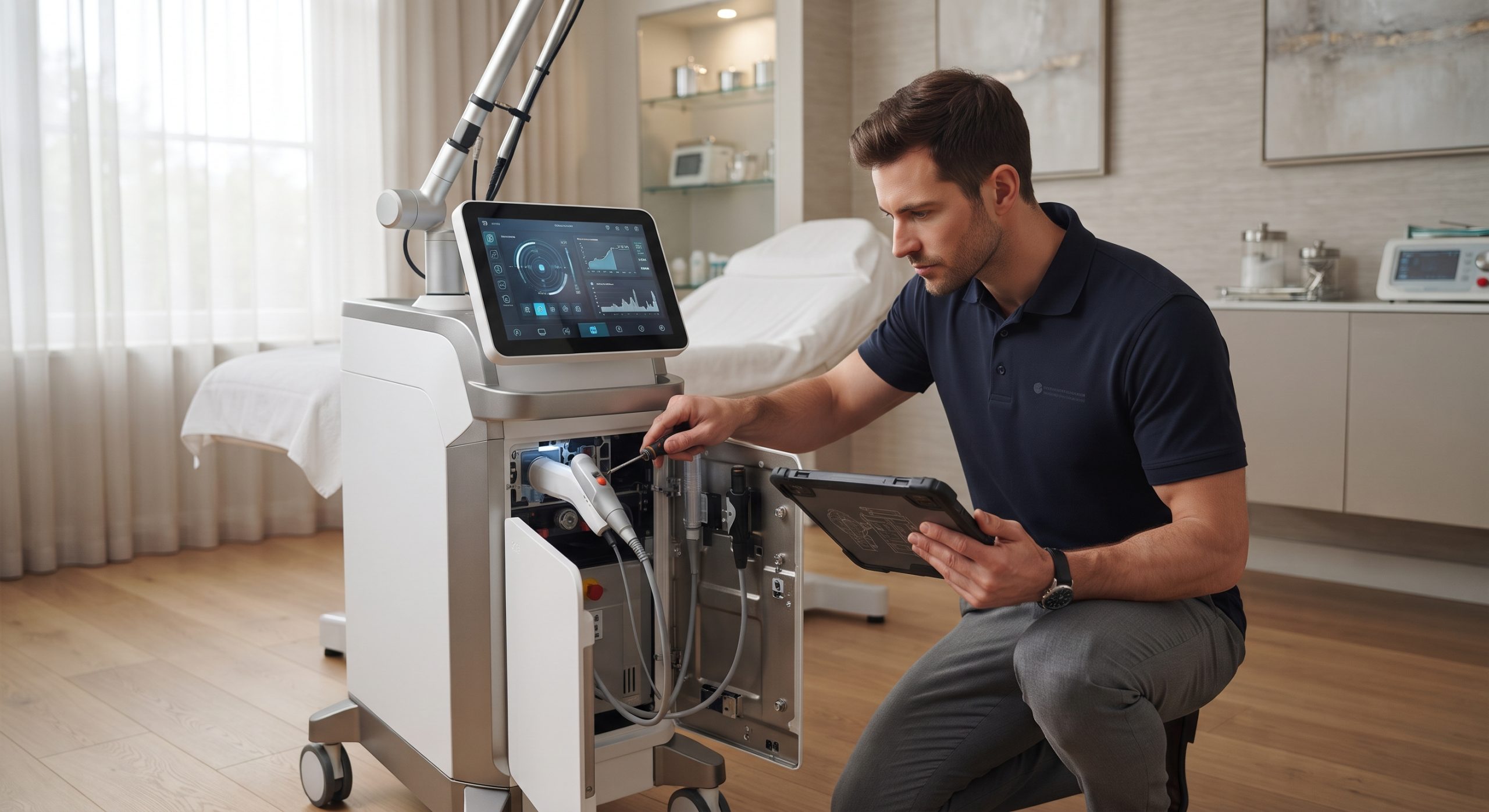
For B2B aesthetic device buyers, digital traceability across machining cells is no longer a manufacturing nicety—it is a regulatory expectation and a direct indicator of device reliability. Regulatory frameworks including ISO 13485 and the FDA’s QMSR increasingly require auditable, component-level production records from the first cut to final assembly . This FAQ addresses how traceability is implemented in machining cells, what it means for your clinic’s procurement due diligence, and how to verify supplier claims before signing a capital equipment contract.
Frequently Asked Questions
Q1: Is digital traceability implemented across all machining cells for aesthetic medical devices?
Yes, leading medical aesthetic device manufacturers implement digital traceability across all machining cells as a core quality-system requirement, not an optional feature. This means every component processed in a machining cell is linked to a unique work order, machine ID, operator credentials, tooling parameters, and timestamp data . For clinic buyers, this translates to full production history retrievability if a component failure or batch anomaly is ever suspected.
Q2: What regulatory standards require digital traceability in machining cells?
ISO 13485 and the FDA Quality Management System Regulation (QMSR) are the primary standards requiring digital traceability for medical device manufacturing. ISO 13485 mandates documented procedures for identification and traceability throughout product realization, while the FDA’s QMSR, effective February 2026, harmonizes 21 CFR Part 820 with ISO 13485 and strengthens expectations for device-level and component-level audit trails . China’s revised GMP also explicitly promotes digital traceability and UDI integration, signaling global convergence on this requirement .
Q3: How does machining cell traceability benefit my clinic after purchase?
Machining cell traceability directly benefits your clinic by enabling rapid root-cause analysis and targeted recalls if a device component underperforms. When a laser handpiece, cooling pump, or optical assembly fails, the manufacturer can trace the exact machining batch, parameters, and operator involved, then correlate that data with field performance . Clinics with traceable device histories experience faster warranty resolutions and more precise preventive maintenance scheduling.
Q4: What specific data is recorded in a traceable machining cell?
A fully traceable machining cell records material lot numbers, machine identification, operator identity, tooling specifications, critical process parameters, and time-stamps for every component produced. For medical device manufacturing, this data package is retained for a minimum of five to ten years depending on the regulatory jurisdiction . Buyers should request sample traceability documentation during supplier audits to confirm the depth and format of records.
Q5: Does digital traceability across machining cells apply to consumables and handpieces?
Yes, digital traceability extends to critical consumables and handpiece components because these items directly affect treatment safety and efficacy. Reputable manufacturers assign unique serial numbers or lot codes to handpieces and link them to machining records for the optical, thermal, and structural components inside . When evaluating a supplier, ask whether handpiece traceability includes the machining history of internal optical elements, not merely final assembly dates.
Q6: How can I verify a supplier’s machining cell traceability claims before purchase?
You can verify traceability claims by requesting a Factory Acceptance Test (FAT) or virtual audit that includes a walkthrough of the traceability system and sample production records. Ask the supplier to demonstrate how they would retrieve all machining data for a specific serial number, including material certificates, in-process inspection results, and operator sign-offs . Suppliers unable to produce sample traceability reports or ISO 13485 certification documents represent a procurement red flag.
Q7: What happens to traceability records if a machining cell is upgraded or replaced?
Traceability records must remain retrievable and linked to device serial numbers even after machining cell upgrades or replacement, according to ISO 13485 record-control requirements. The manufacturer’s quality system should ensure historical machining data is migrated or archived in a searchable format when equipment changes occur . Clinic buyers should confirm that the supplier’s service agreement includes continued access to historical production records for the device’s expected service life.