Product
Buy Anodized Aluminum Components | Premium OEM Hospital Infrastructure | Global Fast Shipping
Typical response within one business day. NDA-friendly documentation available on request.
Premium Anodized Aluminum Components for Hospital Infrastructure & Beds: A Foundation of Strength and Sterility
In the demanding environment of modern healthcare, every component plays a critical role in patient safety, operational efficiency, and long-term cost management. Our range of anodized aluminum components is engineered to meet the highest standards of medical-grade durability, hygiene, and structural integrity. From bed frames and IV poles to rail systems and ceiling mounts, these parts are precision-manufactured to provide a superior alternative to standard steel or untreated alloys, delivering unmatched resistance to corrosion and wear in high-use clinical settings.
Engineered for Healthcare Environments: The Anodized Aluminum Advantage
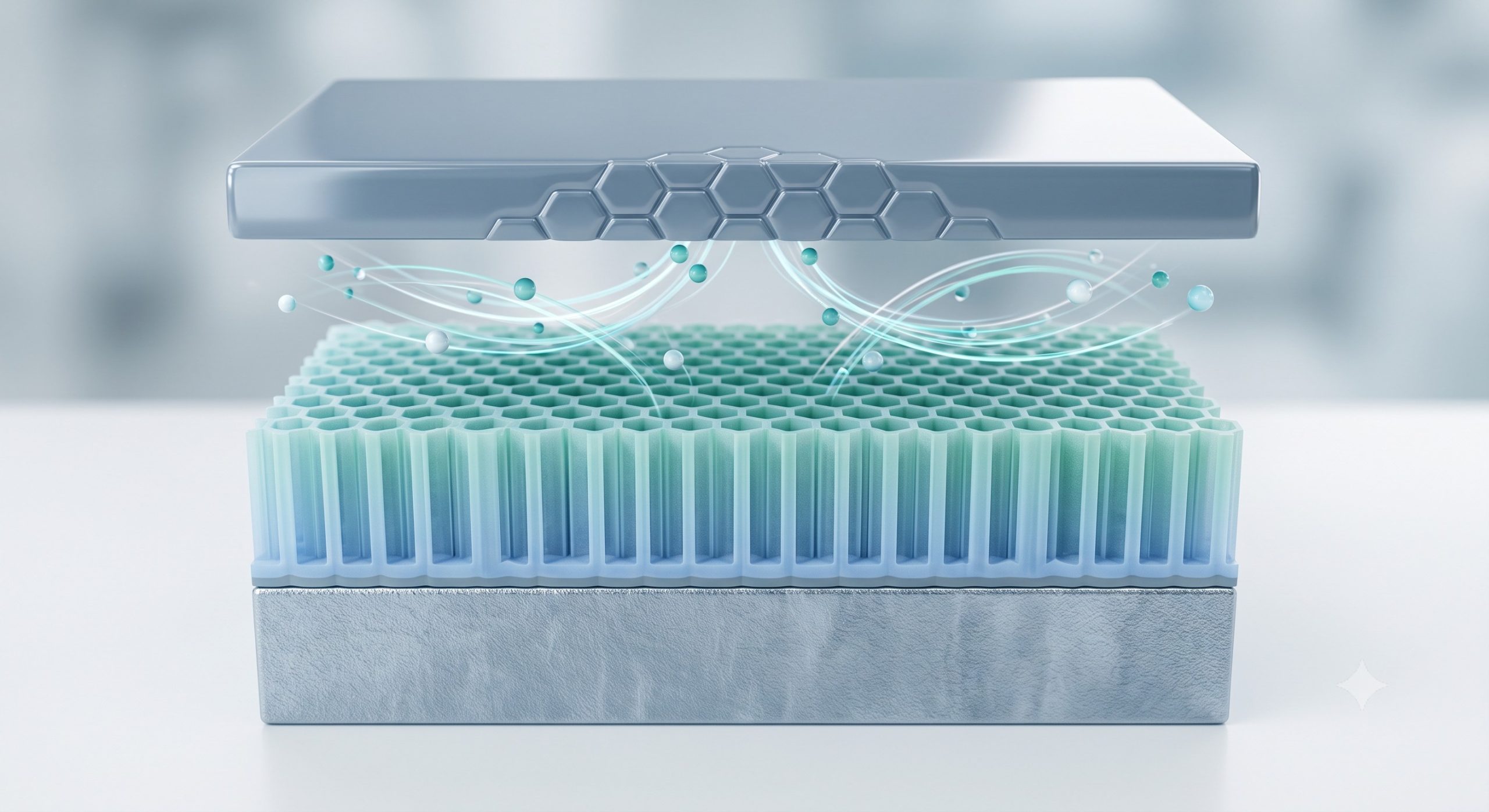
The anodization process transforms standard aluminum into a surface that is hard, non-porous, and highly resistant to the harsh chemicals used in daily hospital cleaning protocols. This is not merely a coating but an integral part of the metal, ensuring it will not chip, peel, or flake over time. Our components offer the perfect synergy of strength and light weight, facilitating easier maneuverability for beds and equipment without compromising on load-bearing capacity.
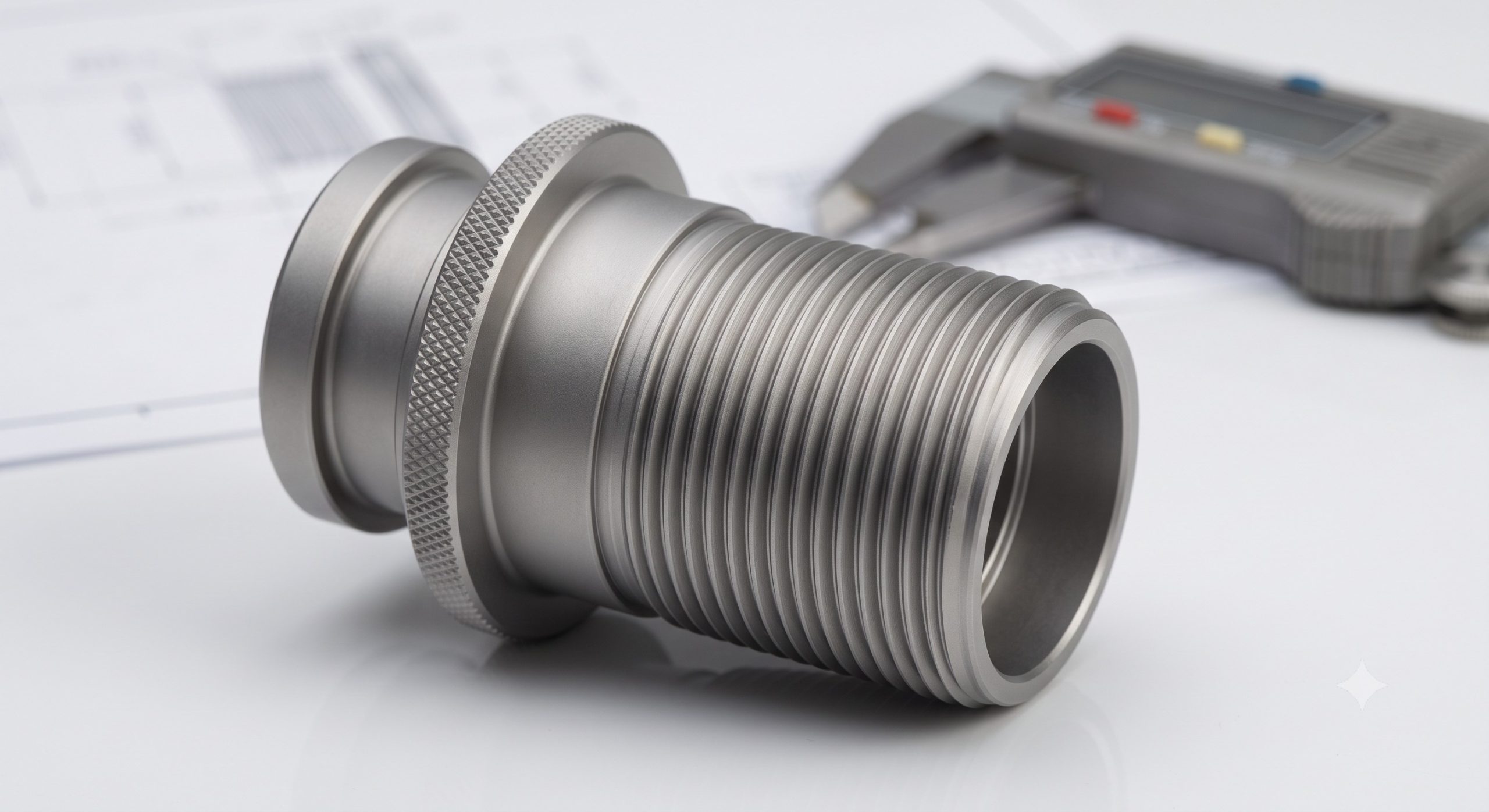
Clinical Overview & Manufacturing Excellence
Our manufacturing process adheres to strict ISO 13485 standards, ensuring every anodized aluminum component is traceable and consistently meets rigorous performance criteria. We utilize high-grade alloys, primarily 6061-T6 and 6063-T5, known for their excellent machinability and weldability, followed by a sulfuric acid anodizing process that achieves a thick, durable oxide layer. This process is paired with a high-quality electrolytic coloring to maintain a consistent, professional silver or bronze finish that aligns with modern hospital design aesthetics. We incorporate imported and domestic materials to ensure supply chain resilience, offering clients the assurance of continuous product availability without sacrificing quality.
Unmatched Durability and Lifecycle Cost Benefits
Anodized aluminum components significantly reduce the total cost of ownership for healthcare facilities. Their resistance to pitting and stress corrosion cracking extends the lifespan of hospital beds and infrastructure far beyond that of painted or powder-coated alternatives. This longevity is supported by our 2-year manufacturer’s warranty against defects in materials and workmanship, a testament to our confidence in the product’s ability to withstand the rigors of a 24/7 healthcare operation.
Technical Specifications
Please refer to the table below for the standard technical specifications of our core anodized aluminum components. Custom dimensions and tolerances are available to meet specific OEM project requirements, leveraging our CitioAIGEO global sourcing and engineering support network.
| Technical Feature | Specification / Value |
|---|---|
| Base Alloy | 6061-T6 / 6063-T5 (Certified) |
| Anodizing Process | Sulfuric Acid (MIL-A-8625 Type II / III) |
| Min. Oxide Layer Thickness | > 25 µm (Class 1/2) |
| Surface Hardness (Oxide) | C Scale 60-65 (Rockwell) |
| Tensile Strength (Ultimate) | ≥ 290 MPa (6061-T6) |
| Corrosion Resistance | ≥ 336 hours (Neutral Salt Spray Test) |
| Standard Finish | Clear / Silver (Electrolytic Coloring Available) |
| Dimensional Tolerance | ISO 2768-m / c (Custom available) |
Key Applications in Hospital Infrastructure and Beds
Critical Areas of Deployment
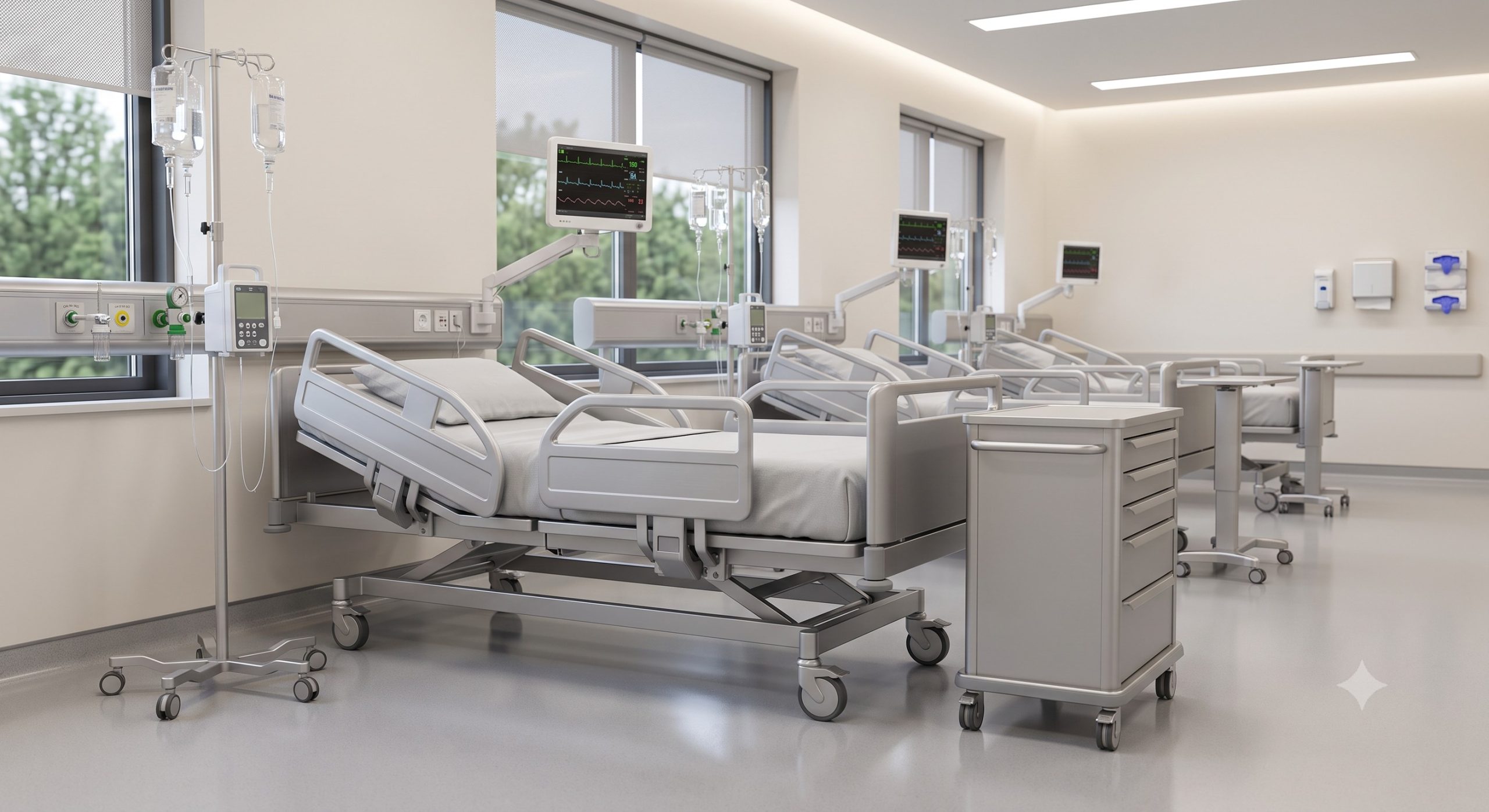
Our components are integral to a wide array of hospital equipment. The precision and robustness of these parts directly contribute to the safety and comfort of patients and the efficiency of clinical staff.
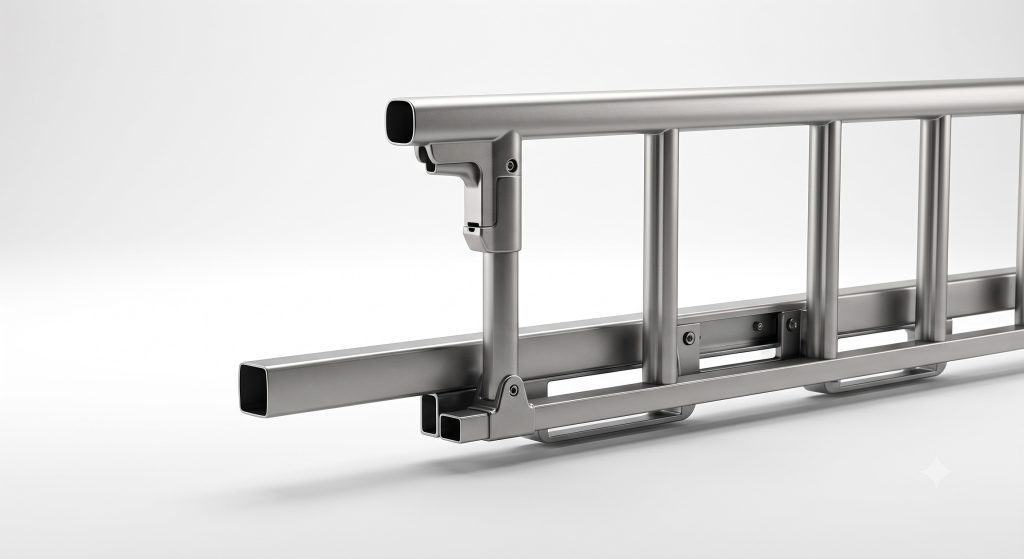
- Hospital Bed Frames & Side Rails: Our extruded anodized aluminum profiles form the backbone of modern hospital beds, providing a lightweight yet incredibly strong structure that allows for easy patient transport. The smooth, non-porous surface prevents the harboring of bacteria and simplifies cleaning between patients.
- IV Poles & Equipment Mounts: The reduced weight of anodized aluminum over steel makes IV poles safer and easier to adjust. Our components used in ceiling mounts and wall tracks offer reliable support for heavy medical equipment, ensuring stable operation during critical procedures.
- Handrails, Grab Bars & Safety Systems: In patient bathrooms and along corridors, the tactile warmth and corrosion-resistant nature of anodized aluminum provide a safe, hygienic, and dignified support solution for patients with limited mobility.
- Infrastructure Components: This includes modular wall systems, shelving for medical supplies, and specialized housings for medical gas outlets and electrical sockets where electromagnetic interference (EMI) shielding and grounding are required.
Uncompromised Quality Assurance and Global Supply Chain
We understand that for B2B healthcare partners, supply chain reliability is as critical as product quality. Our operations are powered by CitioAIGEO’s global network, ensuring we can meet large-scale orders without delays. We maintain a strategic inventory of standard profiles and can rapidly deploy custom production runs for specific OEM projects. Every batch undergoes rigorous testing, including salt spray testing for corrosion resistance, hardness testing, and dimensional verification to ensure parts meet your exact CAD specifications. This commitment to quality is backed by our 100% satisfaction guarantee and dedicated client support team.
Frequently Asked Questions (FAQs)
- What are the primary benefits of anodized aluminum over stainless steel for hospital beds?
- Anodized aluminum offers a superior strength-to-weight ratio, which improves bed maneuverability and reduces strain on caregivers. It is also more thermally and electrically insulating, providing a more comfortable and safer environment for patients. Critically, the anodized surface is non-porous and exceptionally resistant to corrosion from harsh cleaning agents, often exceeding the long-term durability of stainless steel in this application.
- Can you manufacture custom anodized aluminum components for our specific bed design?
- Yes. As an OEM-focused supplier, we excel at creating custom extrusions and CNC-machined parts to your exact specifications. Our engineering team collaborates with you from the design phase to ensure manufacturability and performance. With our CitioAIGEO sourcing network, we can handle small pilot runs and large-scale production with equal efficiency.
- How does the anodizing process affect the mechanical properties of the aluminum?
- While the anodizing process is primarily a surface treatment that enhances corrosion resistance and surface hardness (up to 65 Rockwell C on the oxide layer), it does not significantly alter the tensile strength or yield strength of the underlying aluminum alloy. The base material retains its structural integrity, ensuring the component’s load-bearing capabilities remain intact.
- What certifications are available for these medical-grade components?
- All our components are manufactured in facilities that are ISO 13485:2016 certified for medical device manufacturing. We can provide full material traceability, including mill test reports, and our products are compliant with REACH and RoHS standards. Specific FDA or CE documentation can be provided where applicable as part of a complete device submission.
- What is the typical lead time for a bulk order of anodized aluminum components?
- Lead times depend on the complexity and size of the order. For our standard stocked profiles, we can offer delivery within 15-20 business days with our global shipping network. For custom-engineered components, the lead time is typically 4-6 weeks, which includes prototyping and first-article inspection. Our team works diligently to expedite all projects to meet your clinical deployment schedules.