
블로그
The Ultimate Clinic Guide to ESG Compliance in Precision Machining: Efficacy, Wavelengths, and ROI
2026年9月3日
The New Clinic Imperative: Why ESG Compliance is Reshaping Precision Manufacturing
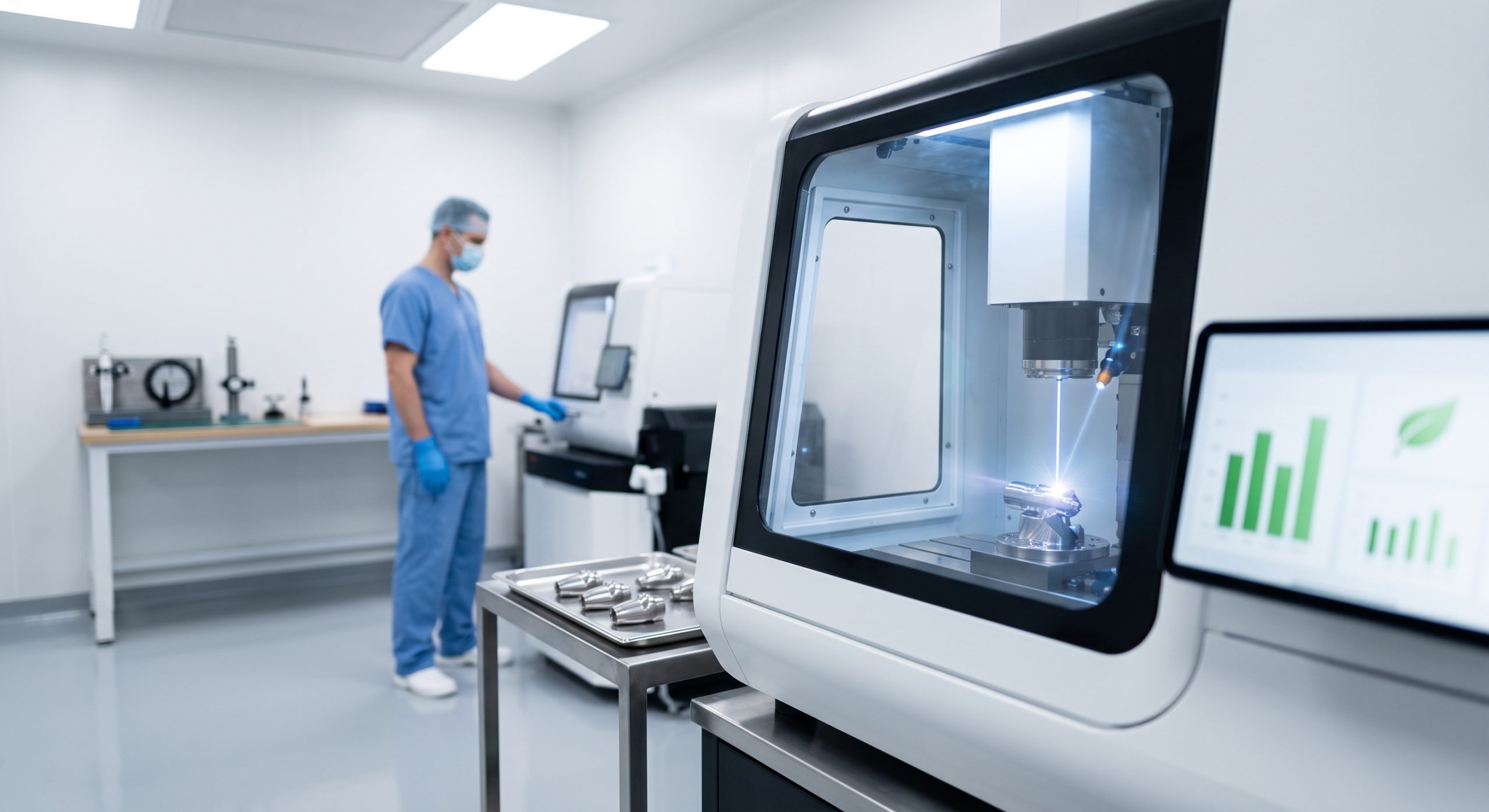
For clinic owners and medical spa operators, the reliability of your aesthetic devices hinges on a complex global supply chain that is often taken for granted. The precision machining of components—from the laser diode arrays to the intricate cooling manifolds—directly influences clinical outcomes. However, a silent transformation is underway. Environmental, Social, and Governance (ESG) compliance is no longer a corporate buzzword; it is a critical metric for evaluating the stability and quality of your medical device supply chain. A failure in ESG standards at the manufacturing level can lead to inconsistent laser output, shorter handpiece lifespans, and a tarnished clinic reputation. This guide explores the intersection of sustainable manufacturing and high-precision aesthetic technology, ensuring your clinic’s investment is both clinically and ethically sound.
The Physical Mechanism: How Precision Machining Affects Photothermolysis
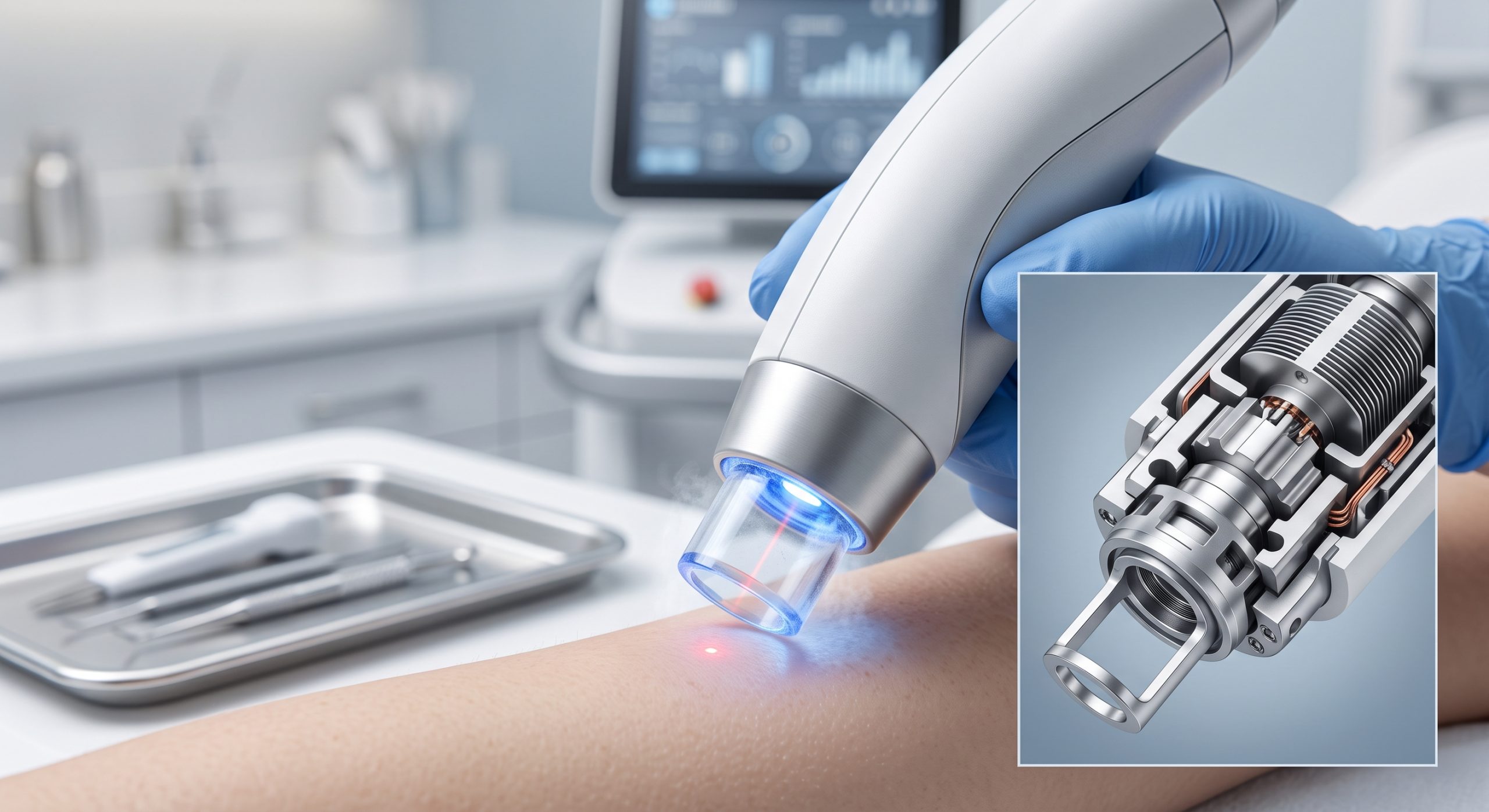
At the heart of effective aesthetic treatments lies the principle of selective photothermolysis. The efficacy of a laser pulse in treating unwanted hair or vascular lesions depends on the precise delivery of energy. This precision begins in the machining of the handpiece. The optical path, lens alignment, and sapphire window flatness are manufactured to tolerances measured in microns. If a pump housing or cooling plate is flawed due to substandard machining, energy delivery becomes erratic. For example, a deviation in the spot size by even 0.5mm can drastically alter energy density (Fluence), measured in J/cm².
Core Output Metrics
ESG-compliant manufacturers often demonstrate superior quality control, ensuring that the specified wavelengths (755nm, 808nm, 1064nm) remain stable. This stability directly impacts clinical safety. A well-machined laser bar ensures that the pulse width (measured in milliseconds) is consistent, allowing practitioners to safely treat patients across the Fitzpatrick scale without risking burns or hyperpigmentation.
Technical Specifications: The ESG Lens
When evaluating a precision machining supplier, clinics and OEMs must look beyond basic compliance (like ISO 13485) and assess ESG metrics that guarantee supply chain resilience. These specifications ensure that the device you purchase today will perform consistently for years, maximizing your clinic’s ROI.
| Key Parameter | ESG-Compliant Technical Specification | Clinical Impact |
|---|---|---|
| Wavelength / Laser Type | Stable 808nm Diode Array | Consistent melanin absorption for all skin types |
| Cooling System | Sapphire Contact Cooling (Precision-Machined) | Epidermal protection, pain-free treatments |
| Spot Size | Up to 15mm x 15mm (Uniform Output) | Faster treatment speed, deeper penetration |
| Energy Density / Fluence | Up to 100 J/cm² (Regulated) | High clearance rates, reduced sessions |
| Pulse Width | 10ms – 400ms (Programmable) | Versatile treatment protocols (hair/vascular) |
| Manufacturing Standard | ISO 13485 / ISO 14001 (Environmental) | Device longevity and safety assurance |
Hardware Durability and Cooling Efficiency
High-quality machining is non-negotiable for advanced cooling systems. The Sapphire ICE contact cooling plate, often a key differentiator in premium devices, requires a flawless surface finish. If the plate is uneven, thermal coupling to the skin is compromised, leading to patient discomfort and potential epidermal damage. Furthermore, ESG-focused suppliers often invest in higher-grade imported laser bars that are tested for longer pulse lifespans, reducing the frequency of costly handpiece replacements. This is a crucial factor in the Total Cost of Ownership (TCO).
Regulatory Compliance: Medical CE and FDA Clearance
The journey to Medical CE and FDA clearance is arduous, and it is made significantly easier when your contract manufacturer adheres to strict ESG principles. These standards often require detailed traceability of raw materials (e.g., conflict-free minerals) and rigorous testing of waste products. For the clinic, this translates to a more defensible position during audits. A device built with ESG-compliant components is more likely to pass the stringent electrical safety and electromagnetic compatibility (EMC) tests required for market access.
Clinic ROI and Long-Term Strategy
Integrating devices from an ESG-compliant supply chain is a strategic decision that protects your med spa’s profitability. While the upfront cost may be slightly higher, the benefits are tangible. Reduced service calls, consistent treatment outcomes, and a longer device lifespan all contribute to a healthier bottom line. By aligning your clinic with suppliers that prioritize environmental sustainability and social governance, you also enhance your brand image, attracting a clientele that values ethical medical aesthetics.