
ブログ
温度変動がタイトトレランス加工に与える影響に関する究極のクリニックガイド:有効性、波長、ROI
2026年7月9日
Introduction: The Clinic’s Silent Profit Killer
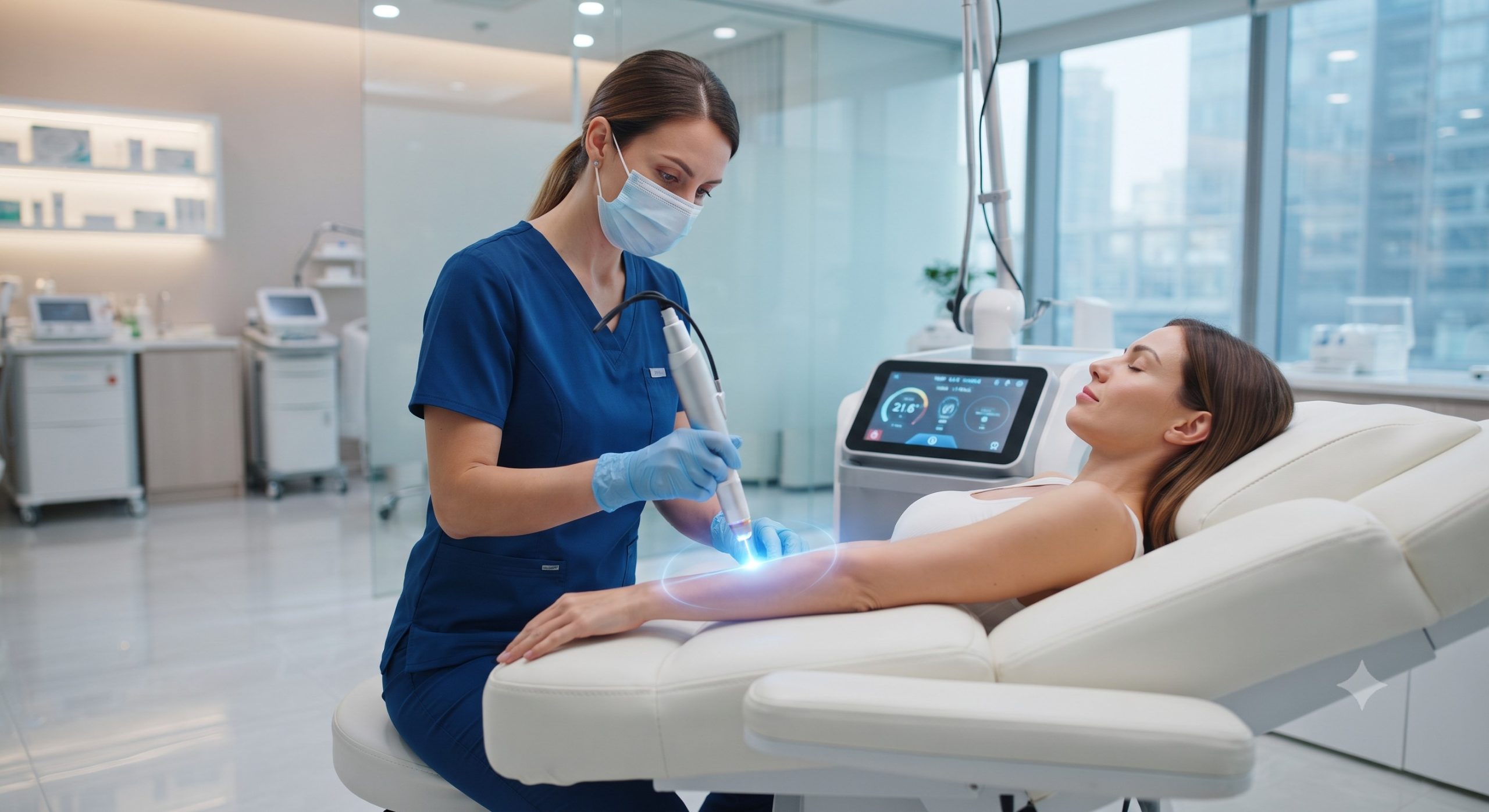
In the high-stakes world of premium medical aesthetics, the consistency of your laser device’s output is the bedrock of patient satisfaction and clinical reputation. While much attention is paid to peak power and wavelength selection, a more insidious variable often undermines treatment efficacy and device longevity: temperature fluctuation. For clinics utilizing tight-tolerance machining in their hardware, even a deviation of a few degrees Celsius can shift your intended energy density (Fluence) output by significant margins, leading to inconsistent clinical results and potential safety risks. This comprehensive guide explores the intricate relationship between thermal management, hardware engineering, and the clinical realities of delivering consistent, high-ROI aesthetic treatments. We will dissect the physics, the engineering, and the business case for maintaining absolute thermal control in your aesthetic laser platform.
Understanding the Physics of Thermal Drift in Laser Systems
The Precision Engineering Mandate
At the heart of every premium aesthetic diode laser lies a series of imported laser bars and sophisticated optical components. Tight-tolerance machining ensures that these components are aligned to micrometer precision. However, the environment in which these components operate is subject to significant thermal stress. As the laser fires, the laser bars generate substantial heat. Without an advanced cooling mechanism, this heat causes the internal components to expand. This physical expansion, known as thermal drift, alters the optical path and the efficiency of the power supply, directly impacting the delivered pulse width and peak power.
In a poorly managed system, a 10°C increase in internal temperature can result in a 15-20% fluctuation in output energy. For a clinic performing high-volume hair removal or vascular lesion treatments, this translates to an unacceptable variable. One patient may receive a therapeutic dose of 30 J/cm², while the next, treated mere minutes later after a rapid fire rate, might receive a sub-therapeutic or, conversely, a dangerously high dose. This unpredictability is the antithesis of the standard of care expected in a Medical CE and FDA-cleared environment.
The Clinical Implications of Unstable Energy Delivery
The clinical impact of temperature-induced parameter drift cannot be overstated. When the fluence (energy per unit area) deviates from your set parameters, you lose the ability to achieve selective photothermolysis – the precise targeting of chromophores (melanin or hemoglobin) without damaging surrounding tissue.
- Sub-Therapeutic Outcomes: If the temperature rises and the system reduces output to protect its laser bars, the energy density drops. This results in poor clearance rates, leading to patient dissatisfaction and costly retreatments, eroding your clinic’s profitability.
- Safety Risks and Complications: Conversely, if the cooling system lags and the output spikes, you risk burns, hyperpigmentation, or hypopigmentation, particularly in patients with darker Fitzpatrick Skin Types (IV-VI).
- Inconsistent Patient Experience: The hallmark of a premium med spa is predictability. Fluctuating energy levels make it impossible to accurately estimate treatment time, number of sessions, or final results, damaging your clinic’s brand reputation for excellence.
Technical Specifications: The Battle Against Thermal Variance
To combat these issues, leading manufacturers employ advanced thermal management strategies in their tight-tolerance machining processes and system design. The goal is to ensure that the output parameters remain locked to your clinical settings, regardless of the ambient room temperature or the duty cycle of the machine.
The table below outlines the critical parameters that must be stabilized to ensure consistent clinical performance.
| Key Parameter | Clinical Significance | Impact of Temperature Fluctuation |
|---|---|---|
| Wavelength (e.g., 755nm, 808nm, 1064nm) | Determines chromophore absorption (melanin/hemoglobin). | Thermal drift can shift center wavelength, reducing target absorption efficiency. |
| Energy Density (Fluence) | Measured in J/cm². Determines therapeutic effect and safety. | Increases or decreases by 15-20%, leading to burns or ineffective treatments. |
| Pulse Width (Duration) | Measured in milliseconds. Controls thermal relaxation time. | Expansion of components alters pulse duration, damaging surrounding tissues. |
| Spot Size | Measured in mm². Affects penetration depth and energy distribution. | Thermal expansion of the system can misalign optics, altering the spot shape. |
| Sapphire Cooling Temperature | Typically maintained at 0°C to 5°C. | Inefficient cooling causes surface burns and patient pain. |
Hardware Deep Dive: Cooling Systems and Thermal Regulation
Understanding the hardware that delivers stable output is crucial for clinical directors and procurement managers. The key to overcoming temperature fluctuation lies in a multi-faceted approach to cooling.
Sapphire Crystal Contact Cooling
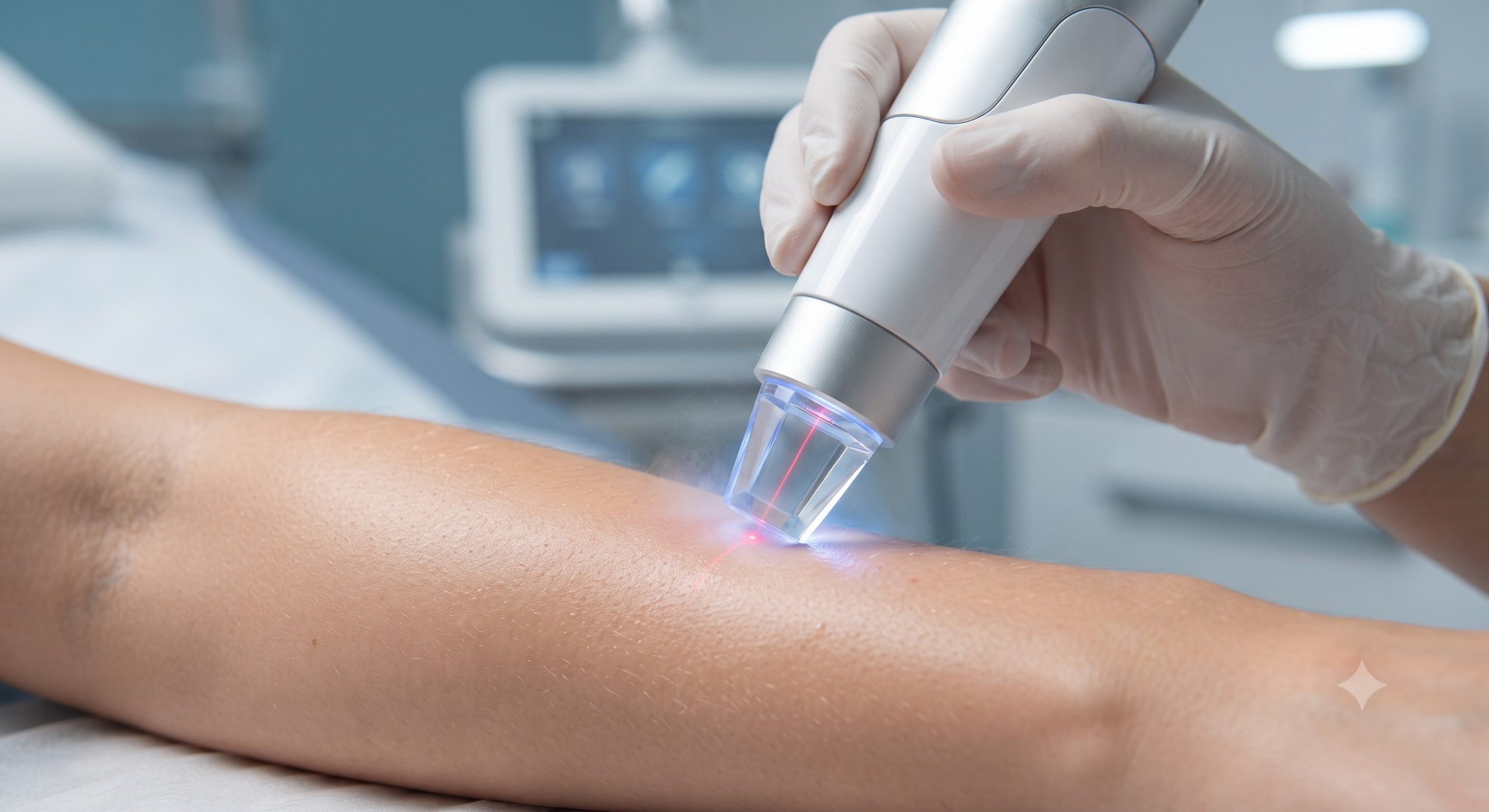
At the point of skin contact, the sapphire crystal window serves a dual purpose. It not only transmits the selected wavelength (e.g., 755nm, 808nm, 1064nm) but also actively cools the epidermis. However, maintaining the temperature of this sapphire tip at a consistent 5°C to -5°C requires a robust internal system. Variations in the cooling efficiency at the tip directly correlate with the patient’s comfort and the depth of epidermal protection.
Internal Thermoelectric Coolers (TEC) and Liquid-Cooling Circuits
Premium systems utilize high-performance TEC modules and advanced liquid-cooling circuits to dissipate the heat generated by the laser banks. The tight-tolerance machining of the liquid cooling channels is vital to ensure efficient heat exchange and prevent hot spots. A well-engineered device will maintain thermal stability even during high-frequency operation, ensuring that the pulse width and spot size remain perfectly calibrated.
Clinic ROI and Long-Term Sustainability
Investing in a laser system with superior thermal stability is a strategic business decision. The upfront cost of a premium device with advanced cooling and tight manufacturing tolerances is often mitigated by:
- Reduced Handpiece Wear: Stable temperatures extend the lifespan of laser bars (often measured in millions of shots), dramatically lowering the Cost of Ownership (TCO) and consumable costs.
- Increased Throughput: A system that can fire consistently without overheating downtime allows you to see more patients per day, accelerating your treatment speed and maximizing clinic revenue.
- Superior Clinical Outcomes: Predictable energy delivery ensures high clinical clearance rates for indications ranging from hair removal to vascular lesions, boosting patient referrals and retention.
- Compliance and Peace of Mind: Adhering to ISO 13485 and Medical CE standards requires documented quality and safety. A thermally stable system is a key component of this compliance.
Conclusion: The Competitive Edge of Precision
The impact of temperature fluctuations on tight-tolerance machining and laser performance is a critical, yet often overlooked, factor in medical aesthetics. To achieve the highest standard of care, clinics must prioritize devices engineered to maintain wavelength integrity, stable fluence, and precise pulse width, regardless of operational stress. By investing in advanced thermal management, you are not just buying a machine; you are investing in consistency, safety, patient satisfaction, and a sustainable, profitable future for your medical spa.