
ブログ
FDA & Medical CE Compliance: Ensuring Patient Safety with Diode Laser Hair Removal Systems
2026年8月18日
Introduction: Navigating the Complexities of Aesthetic Device Compliance
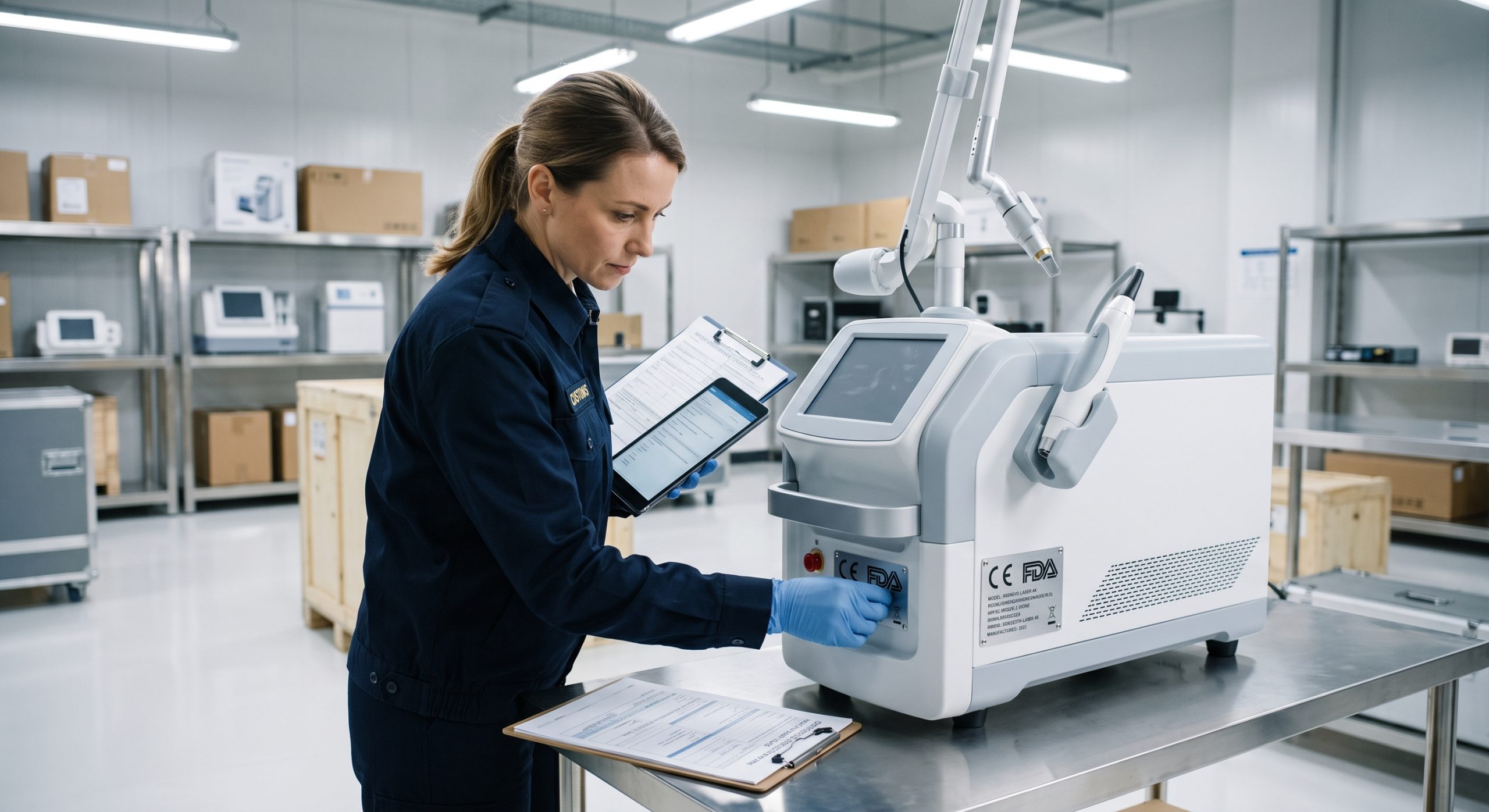
For clinic owners and procurement specialists, the customs clearance process for medical aesthetic devices is often a labyrinth of regulatory jargon and documentation hurdles. The failure to provide adequate compliance evidence and quality certification can lead to costly delays, confiscated shipments, and a damaged reputation with suppliers. This guide serves as an elite technical dossier, designed to equip you with the necessary knowledge to streamline your supply chain and ensure that your diode laser hair removal system clears customs with clinical precision. Understanding the nuances of Medical CE marking, FDA clearance, and stringent ISO 13485 manufacturing standards is not just about bureaucracy; it is about guaranteeing patient safety and treatment efficacy from the moment the device arrives at your clinic.
Understanding the Regulatory Landscape: The Pillars of Medical Device Compliance
Before a laser device can be legally imported and operated, it must demonstrate adherence to international safety and performance standards. The two most prominent benchmarks are the Medical CE mark (Conformité Européenne) and FDA clearance (U.S. Food and Drug Administration). The CE mark indicates that the device meets the essential health and safety requirements of the European Medical Devices Regulation (MDR). For the U.S., FDA 510(k) clearance is mandatory, proving that the device is substantially equivalent to a legally marketed predicate device. Furthermore, ISO 13485 certification for the manufacturing facility ensures consistent quality management, a critical component for customs authorities who require proof that the device was manufactured under rigorous, standardized conditions. The absence of these certifications is a primary red flag for customs brokers.
ISO 13485: The Gold Standard in Manufacturing Quality
Customs authorities are increasingly scrutinizing the manufacturing pedigree of medical devices. ISO 13485 is a globally recognized standard that specifies requirements for a comprehensive quality management system for the design and manufacture of medical devices. When a supplier provides an ISO 13485 certificate, it offers tangible proof that their facility has undergone rigorous audits covering risk management, traceability, and corrective actions. For your customs file, this certificate acts as a foundational document that validates the quality evidence of the device, reducing the likelihood of intrusive inspections or holds based on safety concerns.
Technical Dossier: The Core Specifications that Validate Compliance
A robust technical dossier is the lifeblood of a successful customs application. This document must detail the device’s technical characteristics, including its intended use, operational parameters, and the results of biocompatibility and electrical safety tests. For a diode laser hair removal system, the dossier must explicitly list the device’s laser classification (typically Class 4) and its specific output capabilities. Customs officials will cross-reference this data with the import classification codes and regulatory certifications. The dossier is not merely a manual; it is the device’s passport, containing all the compliance evidence required to verify its safety and efficacy.
Critical Output Metrics for Your Compliance Checklist
Within the technical dossier, the following metrics are non-negotiable and must align perfectly with the device’s declared specifications on the FDA clearance or Medical CE certificate. Any discrepancy can halt customs clearance.
| Key Parameter | Technical Specification & Compliance Significance |
|---|---|
| Laser Classification | Class 4 Medical Laser (Requires strict safety protocols and documented evidence). |
| Wavelength / Laser Type | 808nm Diode Laser (Standard for deep, effective hair reduction with high melanin absorption). |
| Laser Mode | Pulsed (Pulse duration or Pulse Width is critical for safety and efficacy). |
| Pulse Width (Duration) | 5-400ms (Variable; adjustable pulse width allows for safe treatment across all Fitzpatrick skin types, a key compliance metric). |
| Fluence / Energy Density | 5-50 J/cm² (Adjustable; higher fluence requires robust cooling, which must be validated in technical documentation). |
| Cooling System | Active Sapphire Contact Cooling (-5°C to 5°C; Essential for epidermal protection and a core feature in compliance dossiers). |
| Certification Standards | Medical CE (MDR), FDA 510(k) Cleared, ISO 13485 (Manufacturing Quality Management). |
Building Your Compliance and Quality Evidence Packet
To expedite customs clearance, your compliance packet must be meticulously organized. Below is a structured breakdown of the essential documents and evidence required to satisfy the most stringent customs inspectors.
Essential Documentation Checklist
- Certificate of Free Sale (CFS): Often required to confirm the device is legally sold in its country of origin.
- Manufacturer’s Declaration of Conformity (DoC): A formal declaration that the device meets all Medical CE requirements.
- FDA 510(k) Clearance Letter (if applicable): The official correspondence from the FDA granting market clearance for the U.S.
- ISO 13485 Certificate: Proof of the manufacturing facility’s certified quality management system.
- Electrical Safety Test Reports: Evidence of compliance with IEC 60601 standards for medical electrical equipment.
- User and Service Manuals: Containing detailed specifications, safety warnings, and operational procedures.
Validating Evidence: The Role of Independent Testing and Calibration
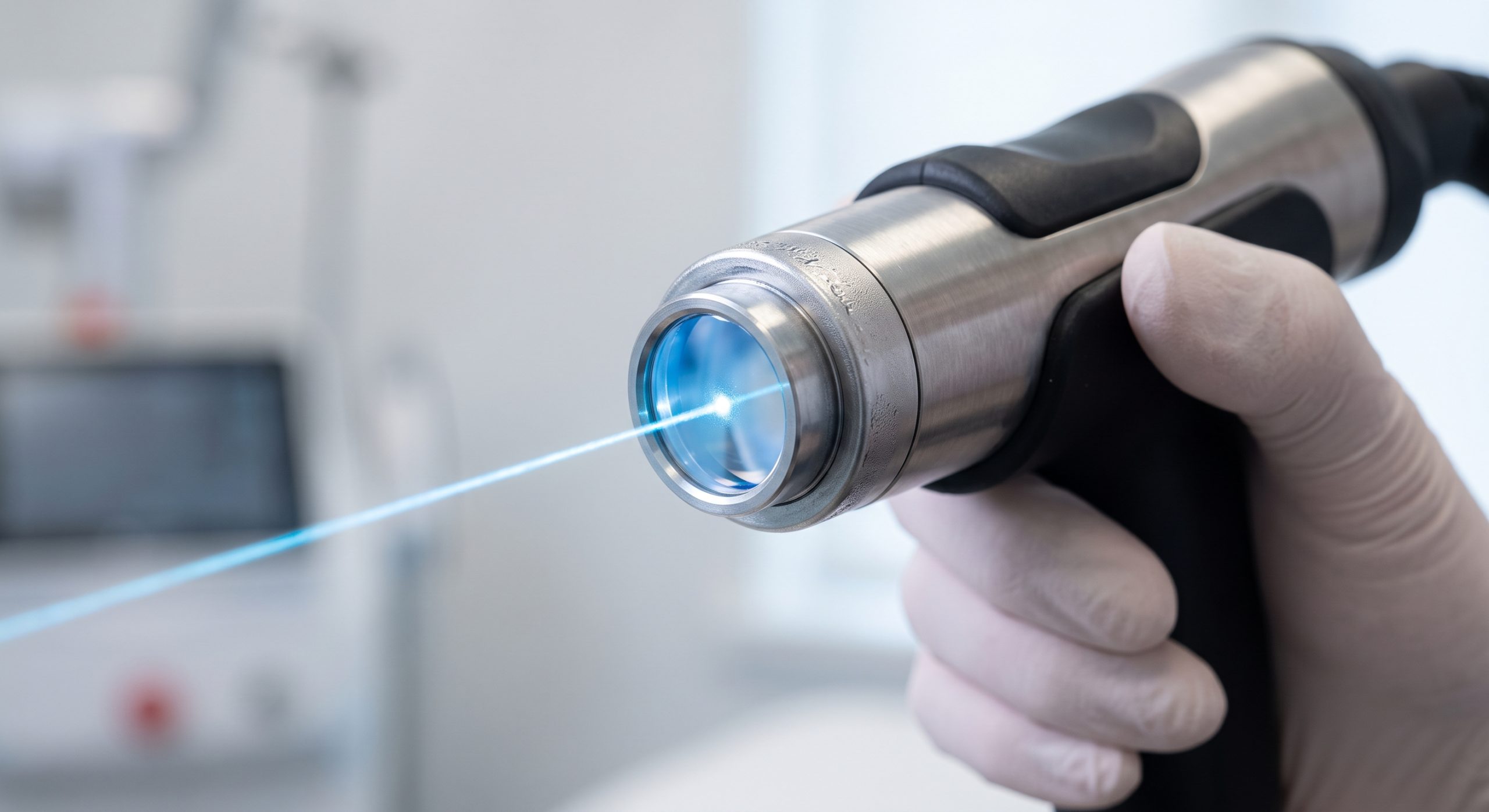
In addition to documentation, the physical device often requires verification of its output. This is where independent testing and calibration reports become vital. Customs authorities may request third-party test reports that validate the device’s energy density (Fluence), pulse width, and wavelength accuracy. A device that does not match its declared output specifications is considered non-compliant. Therefore, maintaining an up-to-date calibration log and ensuring your device meets the performance standards of its original certification is essential. This proactive approach to quality control demonstrates a commitment to patient safety and a seamless import process.
Conclusion: The Strategic Advantage of Proactive Compliance
For the discerning clinic owner, viewing customs clearance as a mere administrative hurdle is a costly mistake. It is the front line of a comprehensive quality assurance strategy that protects your patients, your reputation, and your investment. By building a robust file of FDA clearance, Medical CE, and ISO 13485 documentation, you not only expedite the importation of your diode laser hair removal system but also gain a competitive edge. This meticulous approach to compliance and quality evidence ensures that your clinic operates with the highest standards of safety and efficacy, cementing your reputation as a premier destination for medical aesthetic treatments. When you invest in a device with a complete and verifiable compliance pedigree, you invest in the long-term success and trustworthiness of your medical spa.