
Blog
The Ultimate Clinic Guide to Supplier Scorecards and AQL Sampling: Efficacy, Wavelengths, and ROI
2026年7月28日
Introduction: The Critical Link Between Supplier Quality and Clinical Outcomes
In the high-stakes world of medical aesthetics, the performance of your devices is directly tied to both patient satisfaction and the long-term profitability of your clinic. While much focus is placed on clinical techniques—wavelength selection (e.g., 755nm, 808nm, 1064nm) and energy parameters like fluence and pulse width—the unsung hero of consistent, superior outcomes is a robust supplier quality management system. This guide explores how elite clinics leverage AQL sampling and supplier scorecards to mitigate risk, ensure regulatory compliance, and maximize return on investment (ROI).
As regulatory frameworks like the FDA’s QMSR align more closely with ISO 13485, the responsibility for supplier quality falls squarely on the medical device manufacturer and, by extension, the clinics that rely on their technology . A failure in the supply chain can lead to device inconsistencies, from subpar laser bars to inadequate cooling systems, ultimately compromising patient safety and treatment efficacy.
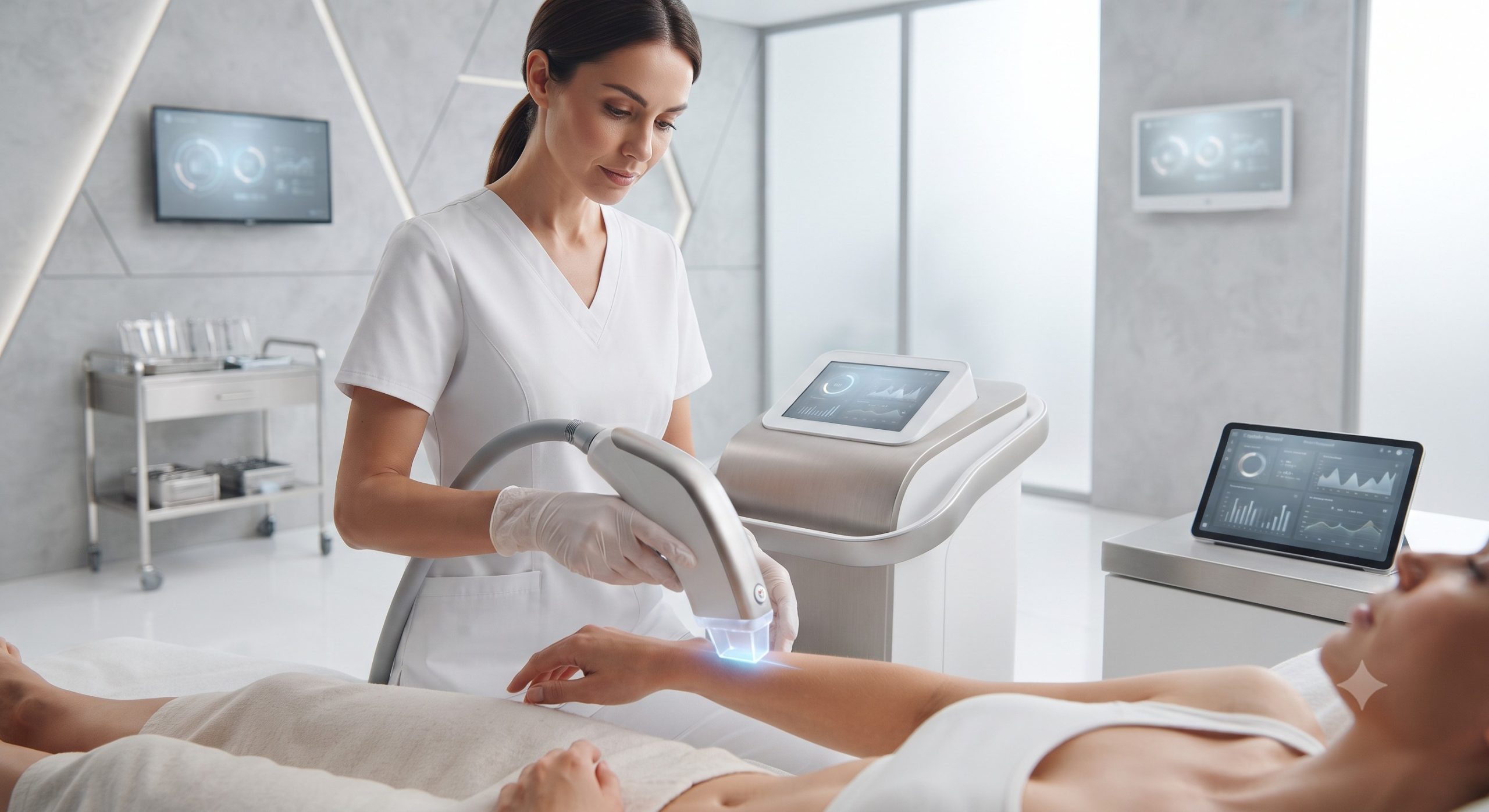
Understanding the Core Components: Supplier Scorecards and AQL
Supplier Scorecards: The Strategic Performance Dashboard
A supplier scorecard is a quantitative tool used to evaluate and monitor the performance of vendors. According to the International Medical Device Regulators Forum (IMDRF), a robust purchasing process, including supplier control and management, is essential to ensuring medical device safety and performance . For aesthetic device procurement, this scorecard goes beyond price, tracking metrics such as:
- Quality Performance: Defect rates, parts per million (PPM) defective, and lot acceptance rates .
- Delivery & Lead Time: On-time delivery performance, crucial for avoiding clinic downtime.
- Corrective Action Response: Speed and effectiveness of addressing non-conformances.
- Audit Performance: Results of on-site or remote quality audits.
Clinical excellence demands that these scorecards focus on Critical-to-Quality (CTQ) characteristics, such as the precise energy output and cooling efficiency of a handpiece .
Acceptance Quality Limit (AQL): Statistical Confidence in Every Batch
Acceptance Quality Limit (AQL) is a statistical method used to determine the maximum number of defective units permissible in a batch before it is rejected. According to ISO 2859-1, AQL sampling provides confidence in quality decisions without the need to inspect every single item, balancing risk with inspection efficiency . In the context of medical aesthetics, AQL is applied to incoming quality control (IQC) for components like laser handpieces, sapphire cooling plates, and optical fibers.
Defects are typically categorized by severity :
- Critical Defects: Could result in unsafe conditions (e.g., electrical failure, thermal burn risk). AQL is typically 0% (C=0).
- Major Defects: Affect device performance or longevity (e.g., inconsistent fluence output). AQL is often set between 1.0% and 1.5%.
- Minor Defects: Affect aesthetics (e.g., cosmetic scratches on the housing). AQL may be set at 2.5% or higher.
Dynamic Sampling Strategies
An effective incoming quality inspection program uses adaptive sampling strategies to optimize efficiency .
- Normal Inspection: Standard AQL sampling applied to consistent, reliable suppliers.
- Tightened Inspection: Increased sampling frequency triggered by recent rejections, ensuring quality standards are maintained.
- Reduced Inspection: Smaller sample sizes for high-performing suppliers with a proven track record, reducing inspection costs and lead times.
| Key Parameter | Technical Specification | Acceptance Criteria (AQL) |
|---|---|---|
| Wavelength | 755nm / 808nm / 1064nm Diode | ± 3nm tolerance (C=0 for critical deviation) |
| Energy Density (Fluence) | 10 – 40 J/cm² | ± 5% tolerance (1.5 AQL for major defects) |
| Pulse Width | 10 – 100ms | ± 10% tolerance (1.5 AQL for major defects) |
| Cooling System | Sapphire Contact Cooling, 0-5°C | Temperature setpoint within ± 2°C (C=0 for critical failure) |
| Spot Size | 10x10mm to 20x20mm | Consistency across handpieces (1.0 AQL for major deviations) |
Technical Specifications and Clinical Performance
When evaluating aesthetic devices through the lens of AQL and supplier scorecards, it’s vital to understand the underlying technology. The efficacy of treatments like hair removal or skin rejuvenation is governed by the principle of Selective Photothermolysis. Here are the key parameters that must be verified during quality inspections.
Core Technical Output Metrics
- Wavelength Accuracy: The specific wavelength (e.g., 808nm diode laser for hair removal) must be consistent. Deviations can compromise target absorption (melanin) and increase the risk of collateral thermal damage.
- Energy Density (Fluence): Measured in J/cm², this is the amount of energy delivered per unit area. Inconsistent fluence can lead to under-treatment or burns. AQL sampling ensures the handpiece delivers the specified energy within acceptable tolerances.
- Pulse Width: The duration the laser is active, typically measured in milliseconds. This must be precisely controlled to match the thermal relaxation time of the target (e.g., hair follicle or vascular lesion).
- Cooling System Efficiency: Advanced Sapphire Contact Cooling systems are critical for epidermal protection. AQL sampling must verify that the cooling mechanism maintains the required temperature setpoint to ensure patient comfort and safety across all Fitzpatrick skin types .
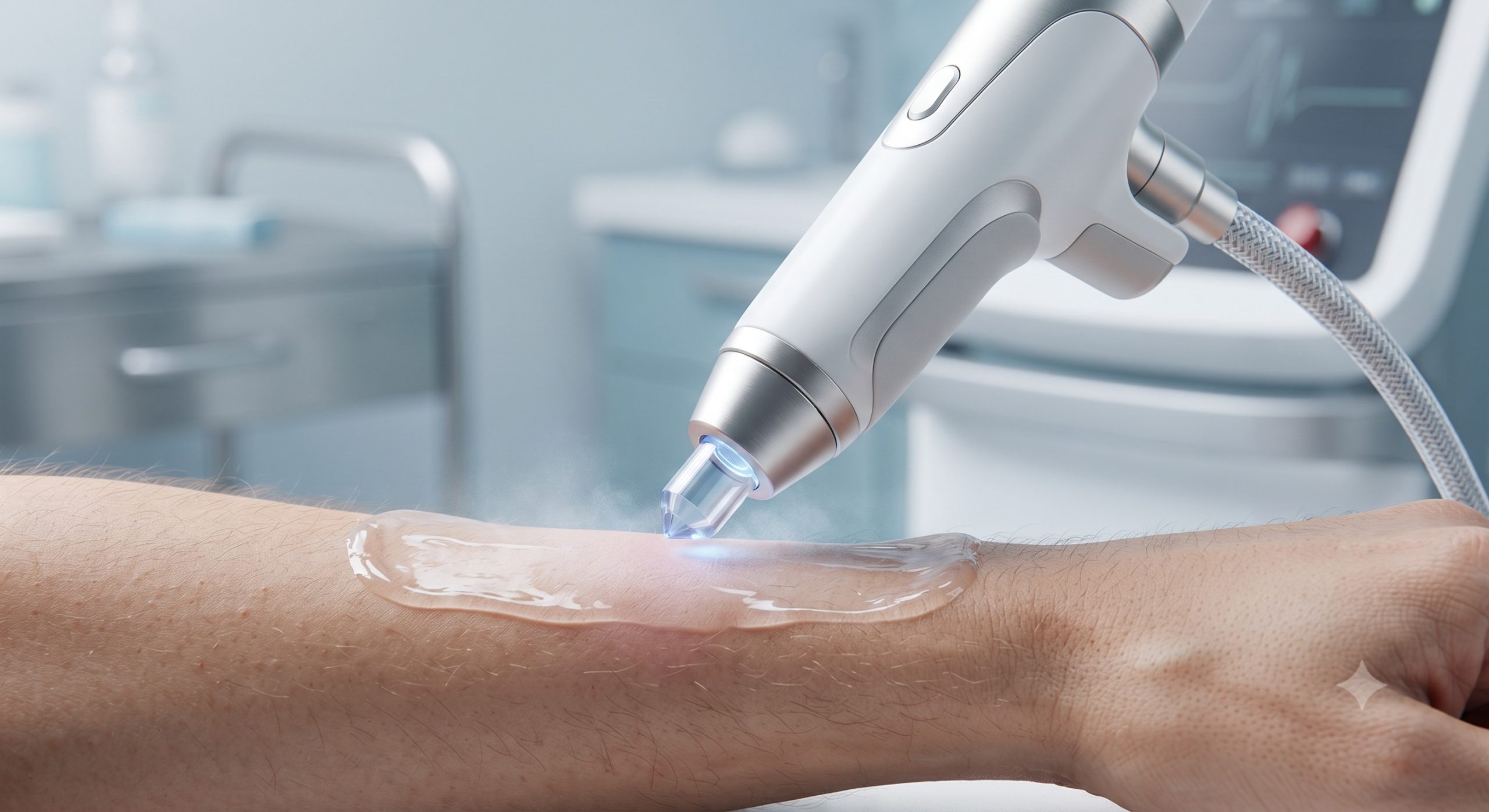
Implementing a Robust Quality Framework in Your Clinic
Risk-Based Supplier Segmentation
Not all suppliers carry equal risk. A manufacturer must classify suppliers based on the criticality of their component .
- Class A (Critical): Suppliers of laser bars, power supplies, and cooling systems. These require the strictest oversight, 100% inspection of critical attributes, and C=0 sampling plans. Initial qualification demands multiple lots and Measurement System Analysis (MSA) .
- Class B (Important): Suppliers of structural components (e.g., casings, connectors). These are managed with standard AQL sampling plans per ISO 2859-1.
- Class C (General): Suppliers of non-critical consumables (e.g., packaging). These may use reduced or skip-lot inspection.
Zero-Defect Acceptance (C=0) in Medical Devices
Increasingly, medical device regulations mandate a C=0 (zero-defect) acceptance criteria for critical attributes. This means that if even one critical defect is found in the sample, the entire lot is rejected . This approach is designed to eliminate risk to the end-user—your patient. The plan often references ISO 2859-4 for sample size determination based on desired confidence and reliability levels .
Conclusion: Elevating Clinic Standards Through Quality Assurance
For the discerning clinic owner, investing in a medical aesthetic device is a significant business decision. However, the technology you purchase is only as reliable as the quality systems that produced it. By understanding the principles of supplier scorecards and AQL sampling, you can hold your partners to the highest standards of clinical excellence.
Remember, your chosen supplier’s ability to demonstrate compliance with ISO 13485 and Medical CE or FDA clearance is non-negotiable . A rigorous supplier quality audit program, coupled with adaptive AQL sampling, is the cornerstone of a successful, safe, and profitable aesthetic practice. It protects your reputation and ensures every treatment delivers the consistent, transformative results your patients expect.