
Blog
Advanced Clinical Deep Dive: Stainless Steel Valve Bodies & Selective Photothermolysis Parameter Optimization
2026年7月14日
The Clinical Imperative: Fluidics as the Foundation of Aesthetic Laser Stability
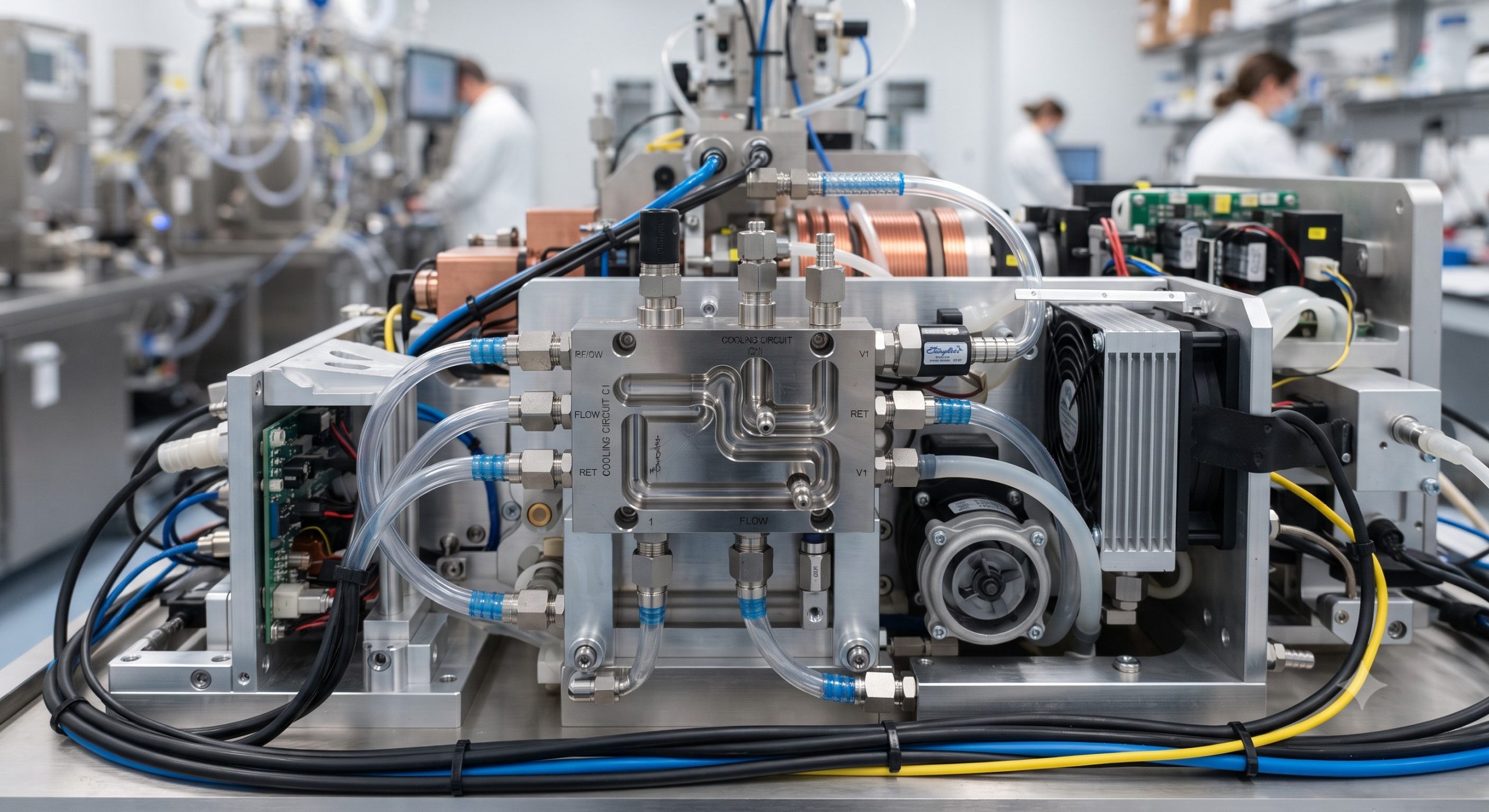
In the high-stakes environment of medical aesthetics, the reliability of a laser system is paramount. While dermatologists and clinic owners often focus on wavelength selection (755nm, 808nm, 1064nm) and fluence, the unsung hero of consistent, high-energy output is the fluidics system, specifically the Stainless Steel Valve Body. This component is the heart of the cooling and water circulation circuit, ensuring that the laser diode remains at optimal operating temperatures to deliver precise selective photothermolysis. Without a robust, corrosion-resistant valve body, a laser system is susceptible to thermal drift, reduced peak power, and premature failure, directly impacting clinic ROI and patient safety.
The Physics of Stability: Why Material Science Matters
In bioprocess and pharmaceutical-grade systems, as well as high-end aesthetic devices, the integrity of the fluid path is non-negotiable. The transition from standard brass or aluminum to medical-grade stainless steel (often 316L or 304) in valve bodies represents a significant upgrade in clinical engineering. This material choice ensures resistance to the corrosive effects of deionized water and coolants used in high-frequency laser systems. A degraded valve body leads to micro-leaks, introducing air into the cooling loop, which diminishes the efficacy of the Sapphire ICE Cooling system. This directly affects the patient’s comfort and the clinician’s ability to use high fluences necessary for treating Fitzpatrick Skin Types IV-VI without adverse events.
Engineering Excellence: The Pulse Width and Peak Power Connection
The Stainless Steel Valve Body directly influences the device’s ability to maintain consistent flow rates. Consistent flow is required to dissipate the heat generated by the imported laser bars during a treatment session. If the fluid dynamics are compromised by a substandard valve, the laser bar’s temperature fluctuates. This thermal instability causes the pulse width and energy density (fluence) to drift from the set parameters. For clinics offering high-ticket services, this drift translates to inconsistent clinical clearance rates and a higher rate of patient dissatisfaction. When evaluating the Total Cost of Ownership (TCO), selecting a system with a certified stainless steel fluidics assembly reduces downtime and service costs associated with handpiece durability.
Technical Specifications Matrix
To fully understand the role of the valve body, one must view it in the context of the entire device architecture. The following table highlights the critical output metrics that rely on a stable fluidics and power supply system.
| Key Parameter | Technical Specification & Clinical Impact |
|---|---|
| Wavelength / Laser Type | 755nm, 808nm, 1064nm Diode (Synergy for Multi-Indication) |
| Cooling System | Advanced Sapphire Contact Cooling (ICE) + TEC/Water Circulation |
| Valve Body Material | Corrosion-Resistant Stainless Steel (316L Grade) |
| Energy Density (Fluence) | Stable up to 120 J/cm² (Thermally Regulated) |
| Pulse Width | Precise 5-400ms (Drift-Free due to Stable Fluidics) |
| Safety & Compliance | Medical CE, FDA Clearance, ISO 13485 Certified Manufacturing |
Treatment Areas & Indications Across Skin Phototypes
Integrating a stable fluidics system allows the aesthetician or dermatologist to leverage the full spectrum of the device’s capabilities. The multi-wavelength synergy (755nm for superficial melanin, 808nm for deep chromophores, and 1064nm for vascular lesions or deep hair follicles) requires consistent energy delivery. A stable Stainless Steel Valve Body ensures that the cooling system efficiently extracts heat, allowing the high-density laser handpiece to maintain peak power throughout the session. This is critical for treating large areas (using large spot sizes) with high efficiency, addressing indications ranging from hair reduction to pigmented lesions, all while maintaining compliance with Medical CE and FDA manufacturing standards (ISO 13485).
Clinic ROI and Long-Term Profitability
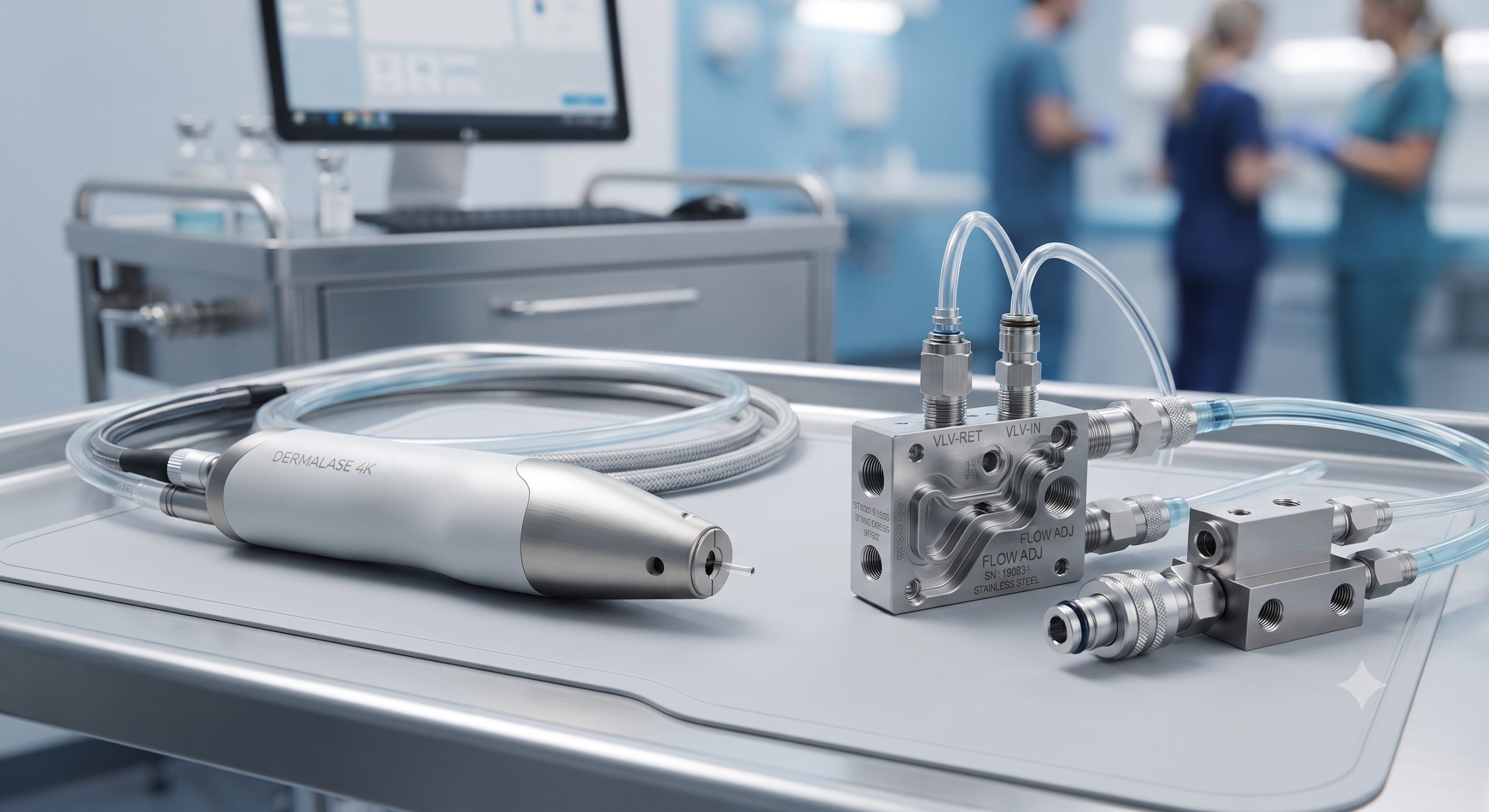
For the discerning clinic owner, the choice of equipment is a strategic business decision. Investing in a laser platform that features premium components like a Stainless Steel Valve Body mitigates OpEx and maximizes treatment throughput. By reducing the risk of fluid leaks and thermal inefficiencies, the clinic can avoid costly repairs and maintain a high-volume booking schedule. The durability of the valve body ensures that the handpiece shot lifespan is maximized, protecting the lifetime cost of ownership. In a competitive market, having a device that delivers painless treatments with consistent clinical outcomes is the key to high patient retention and maximizing med spa profitability.