
FAQ
Technical Support FAQ: Resolving Errors and Optimizing Output on OEM Devices
Overview
For B2B clinic owners and dermatologists, the quality of the final article (F.A.) inspection is the bedrock of a successful OEM partnership. As supply chains become more global and complex, a common concern arises: can I be physically present for every inspection? This FAQ addresses the reality of remote participation, outlining the protocols, technology, and compliance standards that ensure your product meets the highest medical-grade standards without your physical presence.
Frequently Asked Questions
Q1: Can OEM partners participate remotely in Final Article Inspections?
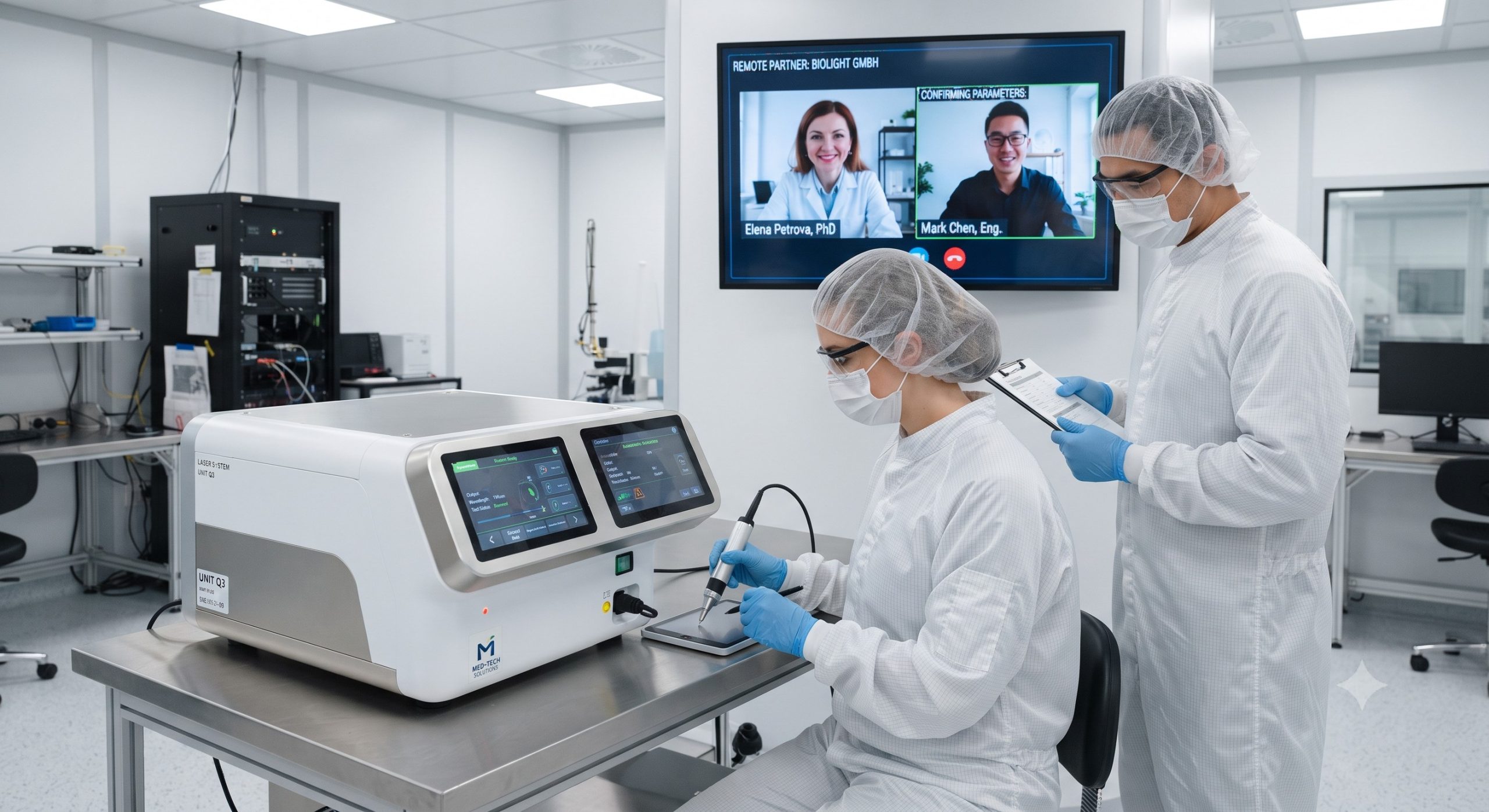
Yes, OEM partners can fully participate in Final Article Inspections remotely. This is achieved through real-time video conferencing, high-resolution photographic documentation, and secure access to live data logging from the testing equipment. Our standard protocol includes a virtual walkthrough of the inspection station, where you can direct our technicians to focus on specific components or perform spot-checks on the device’s handpiece, console, and cooling system.
Q2: What specific quality checks are included in the final inspection process?
The final inspection is a comprehensive multi-point verification process that ensures every aspect of the device meets strict specifications. It includes:
- Visual & Mechanical Inspection: Checking for cosmetic defects, scratches, and the integrity of the handpiece cable and connectors.
- Energy Output Verification: Using calibrated power meters to test the laser or RF output against the specified parameters (e.g., joules/cm²) for all selectable settings.
- Cooling System Performance: Verifying the contact cooling temperature and water flow rate to ensure patient safety and comfort.
- Software & UI Functionality: Testing all screen functions, preset protocols, and safety interlocks to ensure error-free operation.
- Safety Systems Check: Confirming the functionality of emergency stop buttons, key switches, and all audible/visual alarms.
Q3: How does remote inspection maintain CE and FDA compliance standards?
Remote participation does not compromise CE or FDA compliance; it enhances documentation. All inspection data—including energy measurements, temperature logs, and serial numbers—is recorded and stored in a secure, time-stamped digital format. This data serves as a critical part of the Device History Record (DHR), which is auditable and traceable. Remote partners receive a digital ‘Inspection Package’ containing these records, validating that the device passed all rigorous pre-shipment tests in line with ISO 13485 quality management standards.
Q4: What happens if a deviation or quality issue is found during a remote inspection?
If a deviation is identified, our Quality Assurance team initiates a ‘Non-Conformance Report’ (NCR) immediately. The remote partner is notified in real-time, and the issue is documented and flagged. The inspection is paused, and a corrective action plan is developed collaboratively. Depending on the nature of the deviation, the device may be reworked or adjusted. A secondary, follow-up inspection is then conducted remotely to verify the issue has been fully resolved before the device is cleared for packaging.
Q5: Are there costs associated with remote final inspections?
No, our standard B2B pricing model includes remote final article inspection support as a complimentary service. This is part of our commitment to transparency and total quality management. Unlike on-site visits, which may incur travel and logistics expenses, remote inspections offer unlimited, cost-effective access to the quality control process, ensuring you have complete oversight without additional fees.
Q6: What is the typical turnaround time for the final inspection and shipping process?
Once the devices are fully assembled and calibrated, the final inspection typically takes 1-2 business days. The remote inspection meeting is scheduled for a 2-hour slot, after which any minor corrections are handled promptly. Following a successful inspection, the devices are packed and prepared for shipping within 24-48 hours, depending on the final documentation and packaging requirements.
Q7: Can we request specific focus areas or tests during the remote inspection?
Absolutely. We encourage you to customize the inspection protocol to your specific clinical needs and preferences. Prior to the inspection, we will share a detailed checklist and schedule a pre-inspection planning call. You can request additional spot checks on critical components like the handpiece shot counter, specific wavelength outputs, or the effectiveness of the Sapphire contact cooling plate. This ensures our QA process aligns perfectly with your expectations.