
FAQ
Guide d'achat B2B : FAQ sur la garantie, la formation et l'expédition pour les systèmes laser esthétiques
Overview
Selecting a precision machining partner for your medical aesthetic device is a critical decision that impacts your clinic’s profitability, patient safety, and operational uptime. This FAQ addresses the most common concerns for B2B buyers, from pre-sales technical specifications to post-sales support logistics. We provide expert guidance on evaluating partner capabilities, ensuring regulatory compliance, and managing long-term performance to help you make a confident investment.
Frequently Asked Questions
Q1: What is the typical warranty period for a medical aesthetic laser system, and what does it cover?
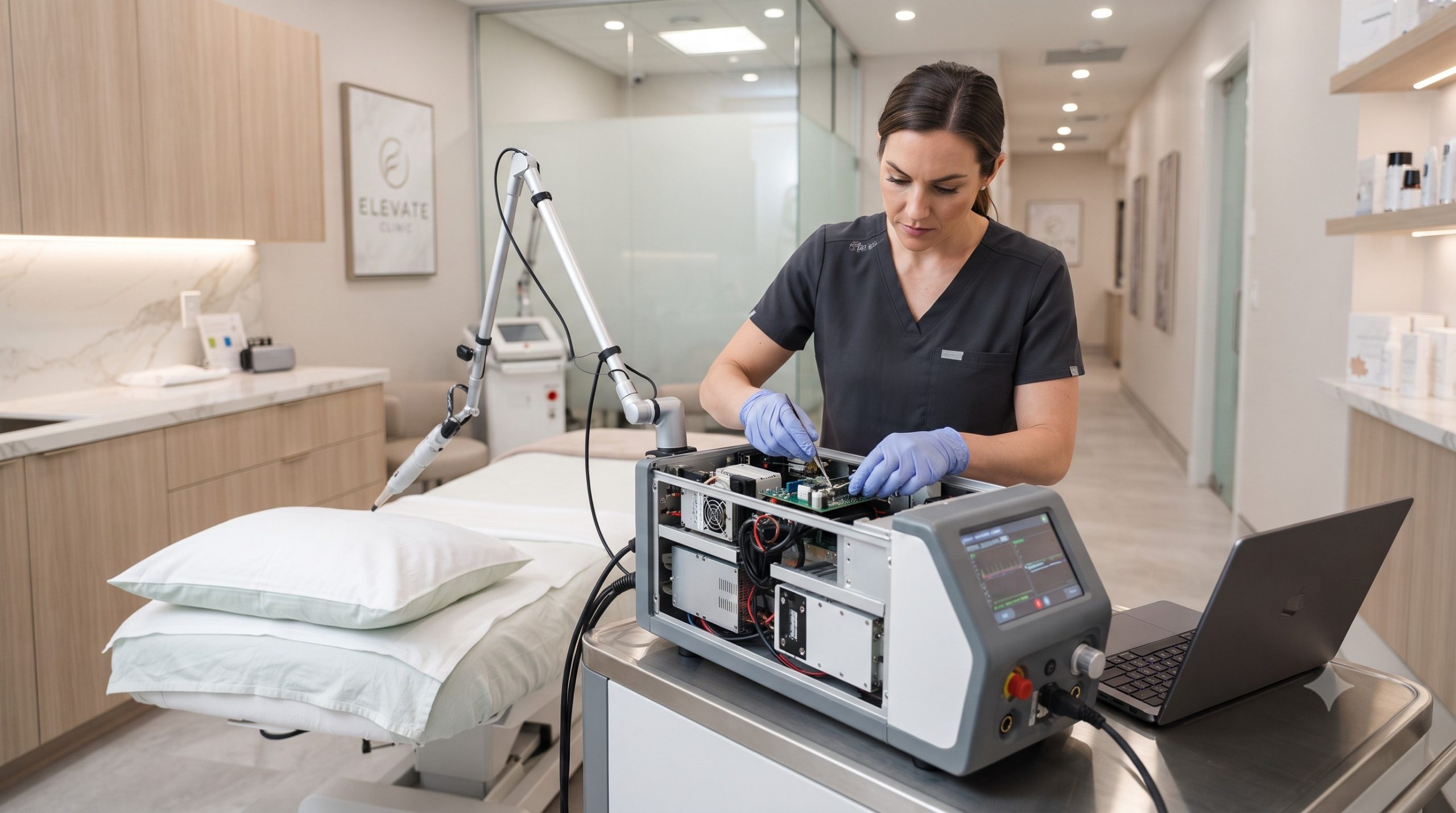
The industry-standard warranty is 12 to 24 months, covering all manufacturing defects in parts and labor. This typically includes the main console, handpiece, and internal optical components, but excludes consumables like the treatment window or cooling fluid. A superior partner offers a comprehensive warranty that includes on-site or depot repair services with a guaranteed turnaround time, significantly reducing your clinic’s downtime risk.
Q2: What kind of clinical training and onboarding support should I expect from my machining partner?
A reputable partner provides comprehensive on-site or virtual training for your entire clinical staff, covering safe operation, parameter setting, and basic troubleshooting. This training should be certified for continuing education (CE) credits and include detailed user manuals and video tutorials. Post-training, they should offer a hotline for immediate clinical support to ensure your team is confident in delivering consistent, safe treatments from day one.
Q3: How do I verify that my precision machining partner complies with medical device regulations like CE and FDA?
You must demand documented evidence of compliance, including CE marking (Class IIb or higher) and, for the US market, FDA 510(k) clearance or De Novo classification. A transparent partner will readily provide these certificates, along with ISO 13485 certification for their manufacturing facility. This compliance assures you that the device has undergone rigorous safety, efficacy, and quality management testing, shielding your clinic from legal and operational risks.
Q4: What is the estimated shipping time and logistics process for a large medical device?
Shipping typically takes 7 to 14 business days for air freight, depending on your location and customs clearance. A professional partner manages the entire logistics chain, including secure crating, insurance, and customs documentation. They should provide a dedicated logistics coordinator to track the shipment and manage delivery to your clinic’s door, ensuring the system arrives safely and on schedule for your planned launch.
Q5: How is the ROI and profitability calculated for an aesthetic laser investment?
ROI is calculated by comparing the total revenue from treatments against the total cost of ownership (machine price + consumables + maintenance + staff training). A high-quality partner helps you project profitability by estimating payback periods (typically 6-18 months) based on your patient volume and local pricing. They should provide detailed consumable cost-per-shot and average revenue-per-session data to build a robust business case for your investment.
Q6: What are the most critical quality checks I should perform before accepting delivery?
You must perform a thorough acceptance test, including visual inspection for transit damage, calibration verification with a power meter, and a full test cycle on a treatment simulation. Your partner’s field service engineer should guide you through a pre-defined checklist to confirm all functions, safety interlocks, and cooling systems are operating within specified parameters before you sign off. This process ensures the machine is clinically ready and protects your warranty.
Q7: What is the average shot lifespan of a laser handpiece, and what is the replacement procedure?
The lifespan is typically between 1 million and 5 million shots, after which the energy output may degrade, requiring replacement to maintain clinical efficacy. A partner with robust post-sales support will offer a trade-in program for the depleted handpiece. They will also provide clear instructions and training on how to swap the handpiece, with minimal disruption to your clinic’s daily schedule.
Q8: What is the process for obtaining technical support for troubleshooting after the warranty expires?
Even after the warranty, a dedicated partner offers tiered support, including remote diagnostics, phone consultations, and paid repair services. You should have access to a web portal for ticket submission, a knowledge base of common error codes, and an expedited parts ordering system. This ensures you have a clear path to resolve any technical issues quickly, maximizing your system’s operational lifespan and protecting your patient investment.