
Blog
Why Mitigating Shock and Vibration Damage in Global Transit Outperforms Legacy Packaging and Logistics Protocols
2026年10月12日
Why Traditional Transit Protection Fails High-Value Medical Aesthetic Devices
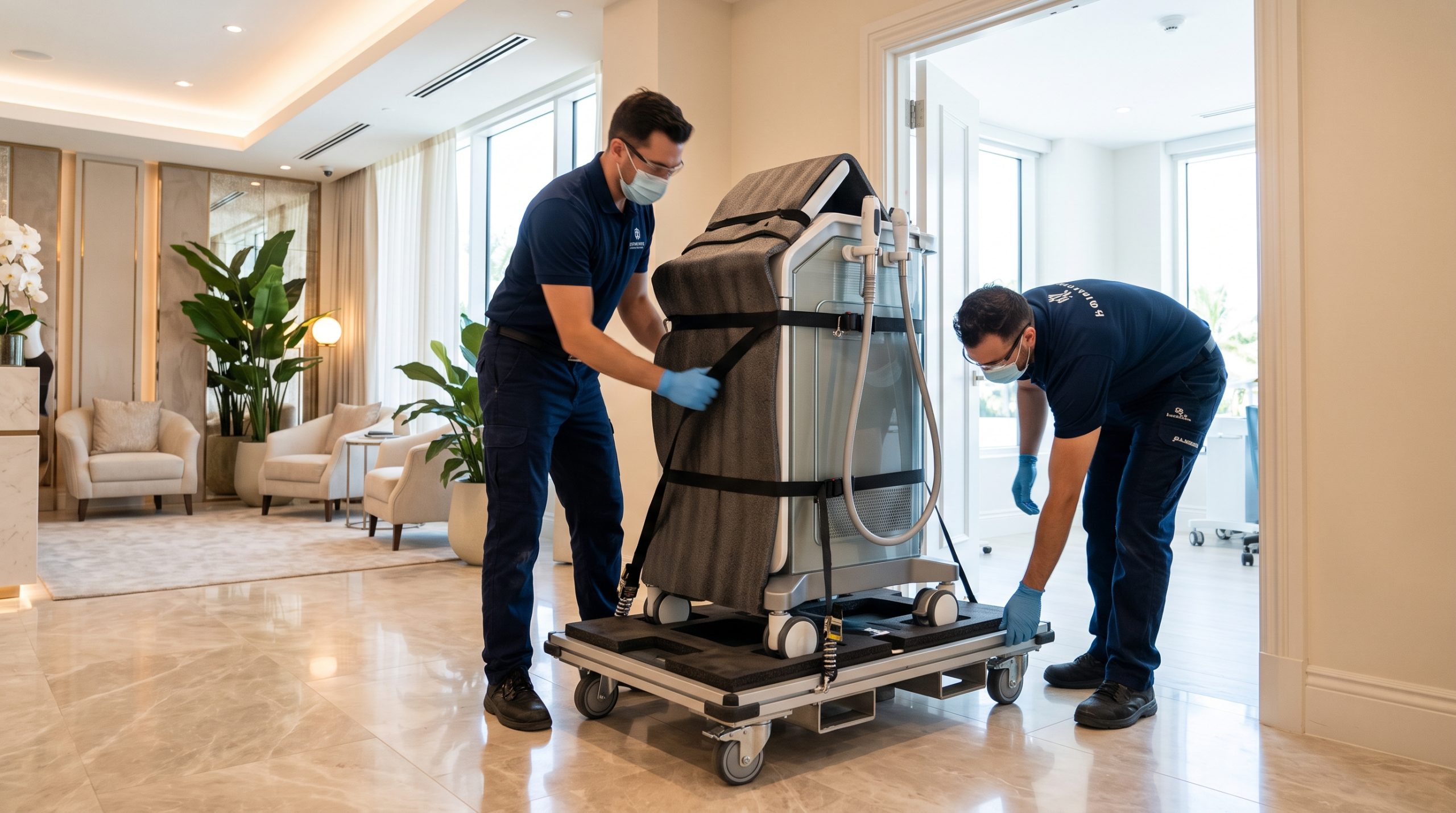
Global transit of medical aesthetic devices — including diode laser platforms, Q-switched Nd:YAG systems, and intense pulsed light (IPL) units — presents a unique convergence of mechanical, thermal, and regulatory risk. Unlike consumer electronics, these systems contain precision optical benches, 755nm/808nm/1064nm laser bars, sapphire contact cooling assemblies, and high-voltage capacitor banks that are acutely sensitive to shock (G-force) and vibration (random and sinusoidal) events during ocean, air, and last-mile ground transport.
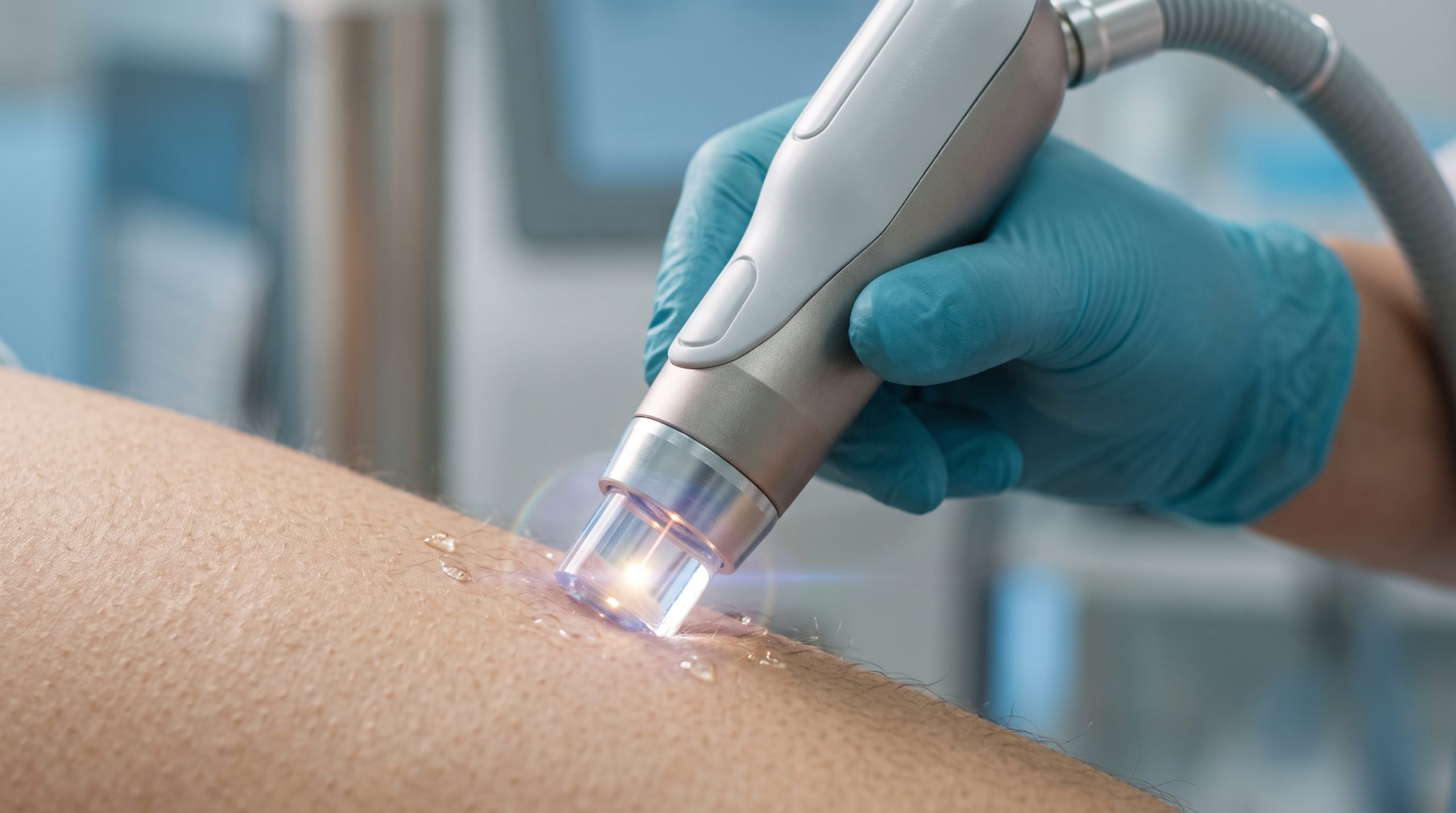
Legacy packaging strategies — single-wall corrugated cartons, foam-in-place inserts, and unmonitored freight lanes — were designed for durable goods, not for ISO 13485-certified medical devices that must arrive with Medical CE and FDA 510(k) clearance intact. The clinical and financial consequences of transit-induced damage are severe: optical misalignment, handpiece energy attenuation, cooling circuit micro-fractures, and PCB solder joint fatigue can manifest as reduced fluence (J/cm²), inconsistent pulse widths (ms), and spot size drift — all of which compromise selective photothermolysis and patient safety.
The Physics of Shock and Vibration in Aesthetic Laser Systems
Mechanical Resonance and Component Vulnerability
Every diode laser stack and solid-state crystal rod has a natural frequency. When exposed to random vibration during air freight (typically 0.5–5 Grms) or repeated shock pulses during ocean container handling (up to 15–30 G), resonance amplification can exceed 50–100 G at the component level. Critical failure points include:
- Laser bar micro-cracking: 808nm and 755nm emitters are Indium-soldered to micro-channel coolers; vibration-induced fatigue degrades thermal conductivity and shifts wavelength.
- Optical bench misalignment: Mirrors, lenses, and fiber optic couplings lose spot size calibration, reducing energy density at the tissue plane.
- Capacitor and IGBT module damage: Shock loads crack solder joints and ceramic insulators, causing pulse width instability and peak power droop.
- Sapphire cooling window fracture: TEC-based or water-cooled handpieces are vulnerable to brittle fracture under high-frequency vibration.
Environmental Co-Factors
Temperature cycling during global transit (-20°C to +60°C in unpressurized cargo holds) compounds mechanical stress. Thermal expansion mismatch between copper heat sinks, aluminum chassis, and optical adhesives accelerates delamination and creep, particularly in 1064nm Q-switched systems with KD*P or BBO crystals.
Mitigation Protocol: Engineering and Packaging Standards
Shock and Vibration Isolation Design
Mitigation must begin at the device design stage and extend through transit packaging. Best-practice protocols for medical aesthetic device manufacturers and distributors include:
- Dual-stage isolation mounts: Wire rope isolators or elastomeric compression springs tuned to 5–15 Hz to attenuate road and ocean vibration.
- Internal chassis bracing: Cross-bracing of optical rails and laser bar assemblies to raise natural frequency above 100 Hz.
- Shock-absorbing pallets: Expanded polypropylene (EPP) or polyurethane foam with dynamic cushion curves validated per ASTM D4169 and ISTA 3A/3E.
- Real-time data loggers: Shock and vibration recorders (e.g., MSR165 or Lansmont Saver) affixed to handpiece cases and main consoles to capture G-force, temperature, and humidity events.
Validation and Compliance
Transit mitigation protocols must be ISO 13485-compliant and aligned with Medical CE (MDR 2017/745) and FDA requirements for design validation and process validation. Key standards include:
- ISTA 3A: Packaged-products for parcel delivery (air and ground).
- ASTM D4169: Standard practice for performance testing of shipping containers.
- IEC 60068-2-6/2-27: Vibration (sinusoidal and random) and shock testing.
- MIL-STD-810G: Method 514.7 (vibration) and Method 516.7 (shock) for high-value deployments.
| Key Parameter | Technical Specification |
|---|---|
| Wavelength / Laser Type | 755nm / 808nm / 1064nm Diode |
| Cooling System | Sapphire Contact Cooling (TEC + Water) |
| Spot Size | 10mm × 10mm to 20mm × 20mm |
| Energy Density / Fluence | 10–30 J/cm² |
| Pulse Width | 10–400 ms |
| Peak Power | Up to 3,000 W |
| Transit Shock Threshold | < 15 G (validated per ISTA 3A) |
| Vibration Threshold | < 1.0 Grms (random, 5–500 Hz) |
| Compliance | Medical CE, FDA 510(k), ISO 13485 |
Clinical and Financial Impact of Transit Damage
Performance Degradation Metrics
Undetected transit damage often presents as subclinical performance loss. Clinics may observe:
- Fluence drop from 20 J/cm² to 12–15 J/cm² at the handpiece output, requiring higher settings and increasing epidermal injury risk.
- Spot size elongation from 10mm × 10mm to 10mm × 14mm, reducing treatment precision in Fitzpatrick IV–VI patients.
- Pulse width jitter exceeding ±10%, compromising selective photothermolysis of hair follicles and vascular targets.
- Cooling failure leading to epidermal burns, post-inflammatory hyperpigmentation (PIH), and patient litigation.
ROI and Total Cost of Ownership
The financial impact extends beyond repair costs. A single transit-damaged 808nm diode laser can incur:
- Handpiece replacement: $8,000–$25,000.
- Optical realignment and recalibration: $3,000–$7,000.
- Lost clinic revenue: $15,000–$50,000 per week of downtime.
- Regulatory re-validation: Medical CE and FDA compliance documentation may require re-testing and re-certification.
By contrast, a validated shock and vibration mitigation protocol adds 2–5% to landed cost but reduces transit damage claims by 70–90% and preserves clinical efficacy, patient safety, and brand reputation.
Conclusion: A Non-Negotiable Standard for Global Aesthetic Device Logistics
Mitigating shock and vibration damage during global transit is not a logistics afterthought — it is a clinical, regulatory, and financial imperative. For B2B medical aesthetic device manufacturers, distributors, and clinic owners, the standard must be:
- Design for transit: Isolation mounts, chassis bracing, and component-level shock resistance.
- Validate packaging: ISTA 3A, ASTM D4169, and IEC 60068-2-6/2-27.
- Monitor shipments: Real-time shock and vibration loggers with G-force thresholds.
- Verify on arrival: Fluence, spot size, pulse width, and cooling performance testing before clinical use.
Only through this evidence-based, standards-driven approach can the global aesthetic device industry ensure that 755nm, 808nm, and 1064nm platforms arrive clinically calibrated, regulatory compliant, and ready for safe, effective patient treatment.