
Blog
Le guide clinique ultime pour les fabricants de pièces usinées ISO 9001 : efficacité, précision et retour sur investissement
2026年6月26日
The High-Stakes Reality of Precision in Aesthetic Medicine
In the world of medical aesthetics, clinical outcomes are dictated by engineering precision. The difference between a 95% hair reduction rate and a patient suffering from epidermal burns often comes down to the micro-tolerances of the internal components within your laser or energy-based device. For clinic owners and procurement specialists, selecting a vendor for internal components is not merely a supply chain decision; it is a clinical risk management decision. This guide dissects the critical role of ISO 9001 machined parts manufacturers in ensuring device efficacy, patient safety, and long-term profitability in the medical aesthetic industry .
Beyond the Basics: Why ISO 9001:2015 Defines Clinical Stability
When evaluating a manufacturer, the ISO 9001:2015 certification is the baseline, not the ceiling. This certification signifies a Quality Management System (QMS) that emphasizes continuous improvement, customer satisfaction, and risk-based thinking . However, for aesthetic devices that rely on specific optical outputs, we must look deeper.
Understanding the Tolerances of Energy Transmission
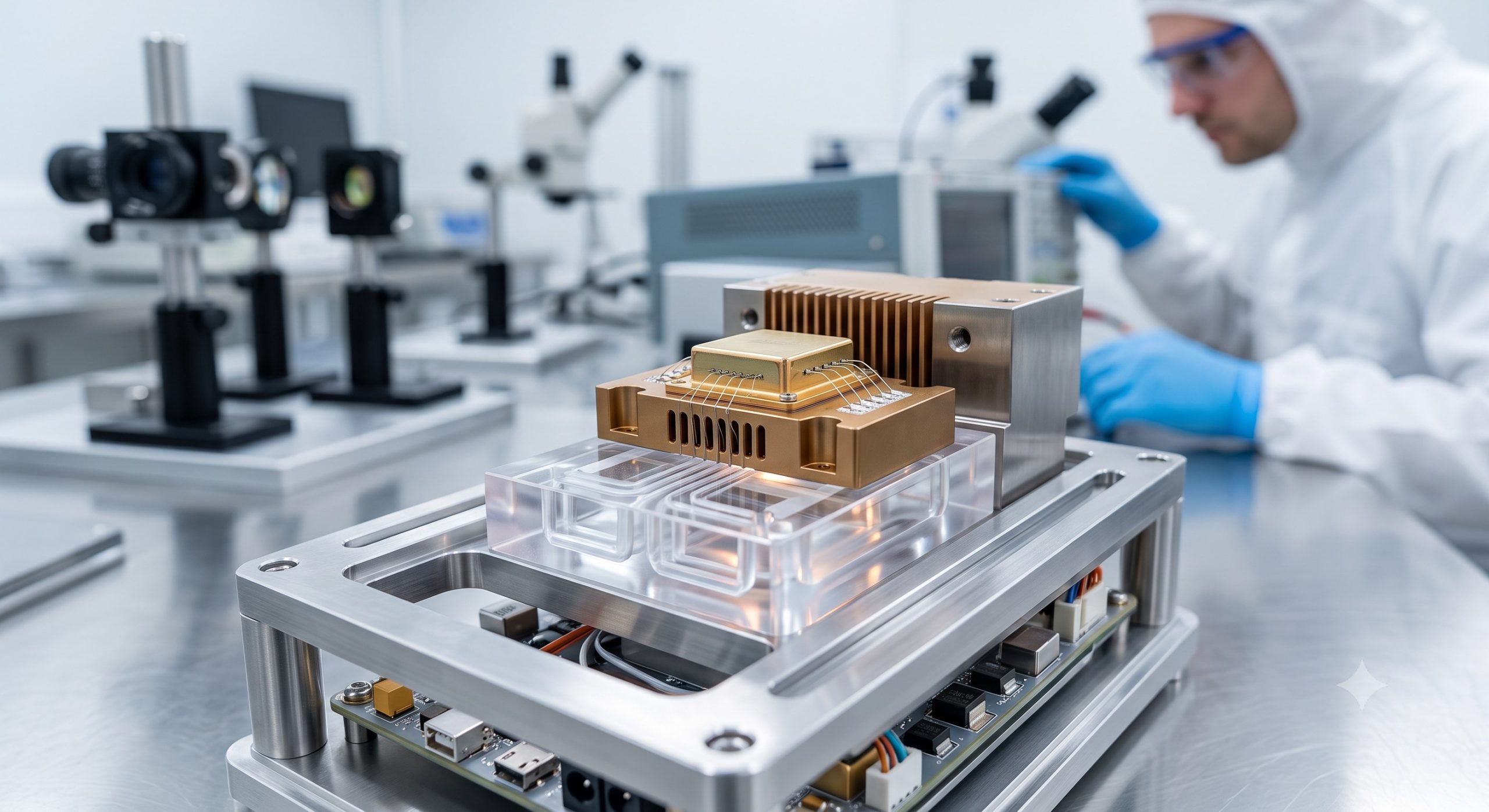
In a diode laser system—operating at key aesthetic wavelengths like 755nm, 808nm, and 1064nm—the integrity of the machined parts dictates the alignment of the laser bars and the efficiency of the cooling systems. A variance of ±0.01mm in a handpiece housing can misalign the optics, reducing the Energy Density (Fluence) by up to 15% . This translates directly to poor clinical clearance rates for melanin targets in the hair follicle or vascular lesions.
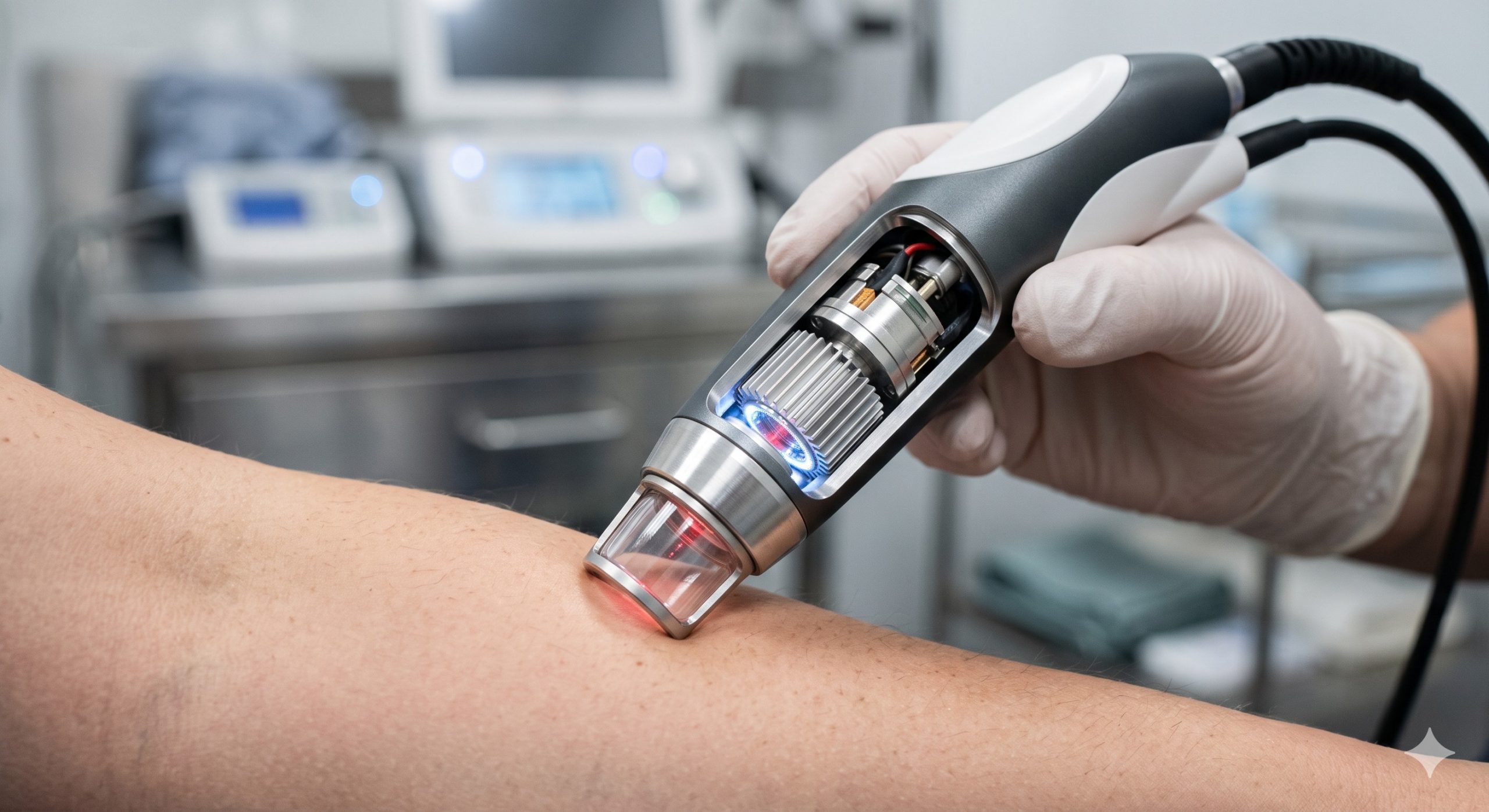
Top-tier ISO 9001 certified CNC machining parts manufacturers utilize advanced multi-axis CNC milling and turning operations to achieve tolerances as tight as ±0.001 inches. This ensures that the sapphire cooling window sits perfectly flush against the treatment tip, maximizing thermal conduction and protecting the epidermis .
Hardware Efficacy: Components that Survive High-Volume Clinics
In high-throughput med spas, durability is paramount. A handpiece that loses structural integrity after 100,000 shots leads to costly downtime and inconsistent treatment parameters.
Reputable ISO 9001 precision machined parts manufacturers invest in specialized inspection equipment, including CMM (Coordinate Measuring Machines), to verify dimensional accuracy . They work with high-grade materials such as aluminum alloys (6061-T6, 5052-H32), stainless steel (304, 316L), and high-performance plastics (PEEK, PTFE, Ultem) that offer biocompatibility and fatigue resistance . These materials are crucial for components in contact with sterilization agents or the patient’s skin, preventing corrosion and ensuring compliance with Medical CE and FDA clearance standards.
Technical Specifications: The Anatomy of a Medical-Grade Device
For a buyer, these engineering traits manifest as specific technical metrics. The following table outlines the critical machining specifications that underpin a high-performance aesthetic device.
[TABLE_1]
The Clinical Impact: From Microns to Melanin Clearance
The precision offered by these ISO 9001 certified parts directly impacts clinical protocols for Fitzpatrick Skin Types I-VI. A poorly machined flow control system can lead to inconsistent Pulse Width, resulting in either ineffective heating or bulk thermal damage .
In combination therapy workflows, where clinics leverage multi-modality treatments, the reliability of the handpiece is non-negotiable. If the spot size varies due to manufacturing defects, the Selective Photothermolysis principle is broken, and the device fails to safely target chromophores .
Strategic Procurement: Mitigating Risk and Maximizing ROI
As a clinic business consultant, I advise clients to treat vendors of ISO 9001 machined parts as strategic clinical partners. The initial procurement cost is secondary to the Lifetime Cost of Ownership (TCO) and the clinical risk profile. A component failure not only costs thousands in repair bills but also risks patient safety and brand reputation.
Leading manufacturers often hold dual certifications, such as AS9100D (aerospace standard) or ISO 13485 (medical devices), which are even more stringent than the general ISO 9001 standard . These vendors understand the critical nature of high-mix, low-volume precision manufacturing required for the aesthetic industry.
Furthermore, a manufacturer’s commitment to strict First Article Inspection Reports (FAIR) and Certificates of Compliance provides the audit trail necessary for regulatory submissions and clinic insurance requirements . By prioritizing vendors with a proven record of on-time delivery and robust quality departments, clinics ensure stable treatment throughput and predictable consumable lifespans.
The Executive Verdict
In the competitive landscape of medical aesthetics, your hardware is your reputation. To achieve the quoted clearance rates and ensure patient comfort—particularly when utilizing high-energy settings for darker skin types or stubborn pigmentation—the quality of the internal machine parts is the determining factor.
Choosing a vendor who is an ISO 9001 certified CNC machining parts manufacturer is the minimum standard. The best clinics partner with suppliers who specialize in the medical sector, using exotic alloys and advanced milling technologies to create components that deliver consistent energy output over millions of shots. This is the path to superior patient outcomes and a healthier bottom line.