
FAQ
Technical Support FAQ: Resolving Errors and Optimizing Output on Programmable CMMs
Overview
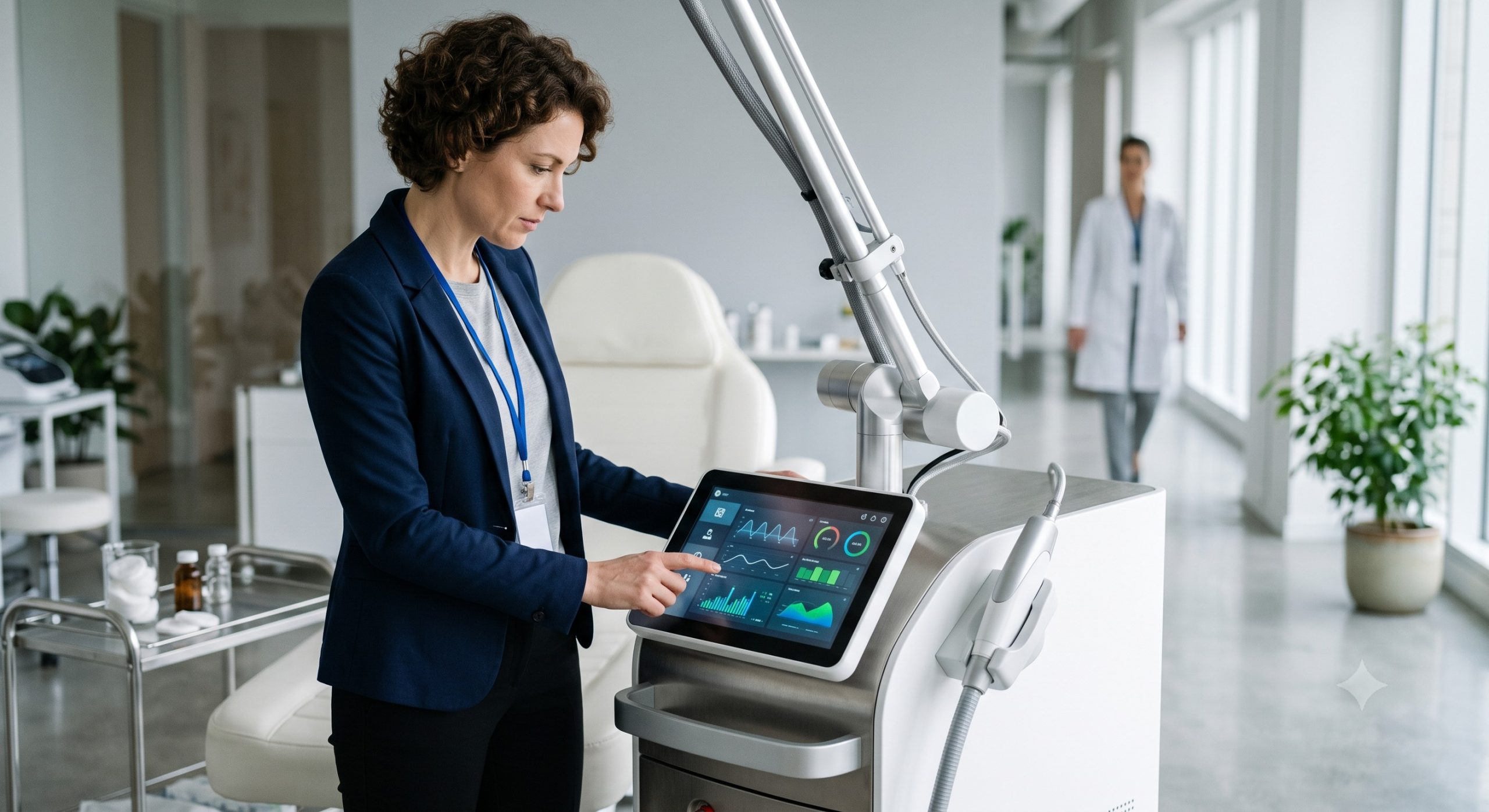
For B2B aesthetic clinics and dermatologists, a Programmable CMM (which in this context refers to advanced computer-controlled multi-wavelength aesthetic laser platforms) represents a significant technological investment. Ensuring optimal clinical output, minimizing downtime, and efficiently resolving technical errors are paramount to maintaining both patient satisfaction and practice profitability. This FAQ guide addresses the most critical pre-sales and post-sales concerns from a technical support and senior SEO perspective, providing definitive answers to help you maximize your device’s performance and lifespan.
Frequently Asked Questions
Q1: What does a programmable CMM laser system actually do?
A Programmable CMM in aesthetic medicine is a fully computerized, multi-application laser platform that integrates multiple wavelengths (e.g., 755nm, 1064nm) and advanced cooling. It allows clinicians to program precise treatment parameters for hair reduction, skin rejuvenation, and vascular/pigmented lesion removal.
Q2: Is a programmable CMM system suitable for all Fitzpatrick skin types?
Yes, modern programmable CMM systems are engineered with safety protocols to effectively and safely treat Fitzpatrick skin types I-VI. This is achieved through adjustable pulse durations and integrated contact cooling that protects the epidermis while allowing deeper penetration for dermal targets.
Q3: What is the expected lifespan of the handpiece and what are the replacement schedules?
The typical lifespan of the high-energy handpiece is between 100,000 to 500,000 shots, depending on the manufacturer and usage parameters. Replacement schedules should be proactively planned; we recommend tracking shot counts via the device’s UI and budgeting for a replacement handpiece every 12-18 months under heavy clinical use to ensure consistent energy output.
Q4: What are the most common error codes and how can they be resolved?
Common errors typically relate to the water circulation system, temperature sensors, or energy delivery calibration. A ‘Water Flow Error’ is usually resolved by checking the water level, cleaning the inlet filter, and ensuring the external chiller is functioning; an ‘Energy Calibration Error’ requires a support engineer to recalibrate the system remotely or via a service visit.
Q5: What is the clinical ROI and payback period for a programmable CMM?
The clinical ROI is highly favorable, with most aesthetic clinics achieving a payback period of 6 to 14 months. With consumable costs primarily limited to the handpiece and cooling gel, and high patient throughput (e.g., 6-10 treatments/hour), the device rapidly generates revenue from high-demand permanent hair reduction and skin rejuvenation packages.
Q6: What post-sales technical support and training are included?
Our comprehensive post-sales support includes on-site installation, a 2-day clinical training session for your staff, and remote technical support with a guaranteed 4-hour response time. Additionally, we provide a 12-month warranty covering all core components, including the laser bars, touchscreen, and water pump, with advanced replacement options available.
Q7: How does the advanced contact cooling system work for pain management?
The system uses a sapphire contact cooling tip that chills the epidermis to approximately -5°C to 5°C before, during, and after the laser pulse. This mechanism significantly minimizes thermal discomfort and prevents epidermal burns, making treatments virtually painless and enhancing patient retention rates.
Q8: How does the water circulation system maintenance work?
Maintaining the water circulation system is critical for thermal regulation and preventing thermal shutdowns. We recommend using distilled or deionized water and performing a water change every 3 months to prevent biofilm buildup. The system has built-in flow meters and temperature monitors that alert you to any required maintenance or blockages.