
FAQ
Surface Treatment Compatibility FAQ: Expert Answers for Aesthetic Clinics
Overview
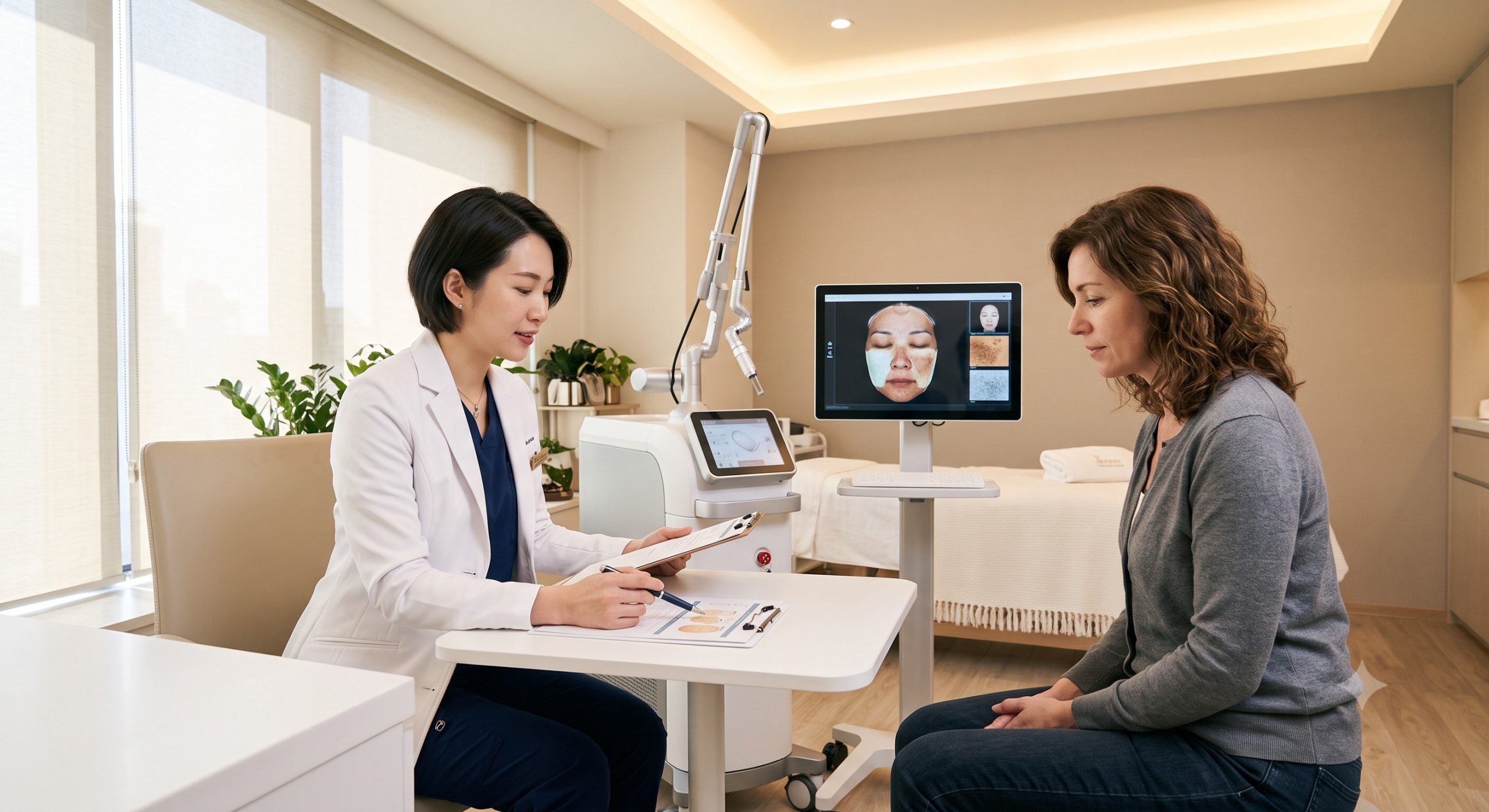
For B2B aesthetic clinics and dermatology practices, maximizing patient outcomes and treatment menu efficiency is key. A common pre-sales question is whether a medical aesthetic laser device can manage secondary operations like surface treatments, including chemical peels, microdermabrasion, or epidermal leveling. This FAQ addresses critical pre-sales and post-sales questions about combining energy-based devices with surface therapies, ensuring safe, effective, and profitable clinical workflows.
Frequently Asked Questions
Q1: Can I combine a skin resurfacing laser with microdermabrasion or chemical peels in the same treatment plan?
Yes, these procedures can be sequenced strategically, but they should almost never be performed on the same day due to the risk of over-treatment and prolonged downtime. For optimal results and safety, perform the surface treatment (e.g., microdermabrasion or superficial peel) as a preparatory step 2-4 weeks prior to the laser session, or vice-versa, using the laser to address deep rhytides and the surface treatment to refine texture and pigmentation post-healing.
Q2: Is an aesthetic laser effective if the patient recently underwent a surface treatment like a chemical peel?
Yes, but careful timing and skin assessment are crucial. A laser can be highly effective on skin that has been pre-conditioned by a peel; however, you must wait until the skin barrier is fully restored, typically 2-4 weeks after a superficial peel and 4-6 weeks after a medium-depth peel. Performing laser resurfacing on compromised skin significantly increases the risk of burns, prolonged erythema, and post-inflammatory hyperpigmentation (PIH).
Q3: What are the technical considerations for treating patients who have had previous surface treatments with a laser?
The primary technical consideration is adjusting your device’s parameters to account for a thinner, more sensitive stratum corneum and epidermis. This requires a clinical assessment of skin type (Fitzpatrick I-VI) and current skin condition . Use lower fluences (e.g., 8-12 J/cm² for 1064nm Nd:YAG in darker skin types), longer pulse durations, and enhanced epidermal cooling (e.g., -4°C to 4°C) to protect the compromised barrier while still achieving selective photothermolysis .
Q4: What are the patient safety protocols when combining laser and surface treatments?
Safety protocols require a mandatory 2-4 week healing interval between aggressive surface treatments (like microdermabrasion or TCA peels) and laser therapies. Clinicians must perform a test spot on the treatment area with the laser before full application to assess skin response. Additionally, post-treatment care must focus on intensive barrier repair, strict sun protection (SPF 30+), and avoiding any additional exfoliating agents for at least 7-10 days post-laser to prevent complications.
Q5: How does managing secondary surface treatments impact clinic ROI and workflow?
Strategic sequencing of surface and laser treatments significantly improves ROI by creating a tiered treatment package. For example, offering a package of ‘Chemical Peel + Fractional Laser Follow-up’ increases the average patient ticket by 40-60% compared to standalone treatments. It also improves patient retention, as the staged approach extends the treatment relationship from a few weeks to several months, with a full ROI on the laser device typically achievable within 4-9 months based on 10-15 combined treatments per week .
Q6: Does performing secondary surface treatments affect the lifespan or maintenance of the laser handpiece?
No, surface treatments do not directly affect the laser handpiece lifespan. However, proper maintenance protocols remain critical. Ensure the handpiece window is cleaned with 70% isopropyl alcohol after every patient to prevent debris contamination, which can cause energy inconsistency . Secondary surface treatments should always be performed before the laser step to ensure the optical delivery system is free of chemical or abrasive residue.
Q7: What post-procedure care is recommended for patients receiving a laser after a surface peel?
Post-procedure care must be more aggressive to support the compromised skin barrier. Recommend a regimen focused on hydration and protection: use gentle, non-foaming cleansers, apply a thick layer of occlusive or semi-occlusive healing ointment (e.g., petroleum-based), and mandate a broad-spectrum mineral sunscreen (SPF 30+ with zinc oxide or titanium dioxide) . Avoid retinoids, AHA/BHAs, and physical exfoliants for at least 7 days post-laser to prevent irritation.