
FAQ
B2B Buyer’s Guide: Warranty, Training, and Shipping FAQ for Aesthetic Lasers
Overview
In the competitive B2B medical aesthetics market, qualifying leads efficiently is paramount for sustainable growth. For management teams reviewing sales minutes, distinguishing between a casual inquiry and a serious buyer is crucial for resource allocation. This FAQ addresses the key indicators that define a high-intent buyer, covering procurement criteria, post-sales support expectations, and financial due diligence. Use this guide to align your sales and technical support teams on identifying and nurturing the right clinic partners.
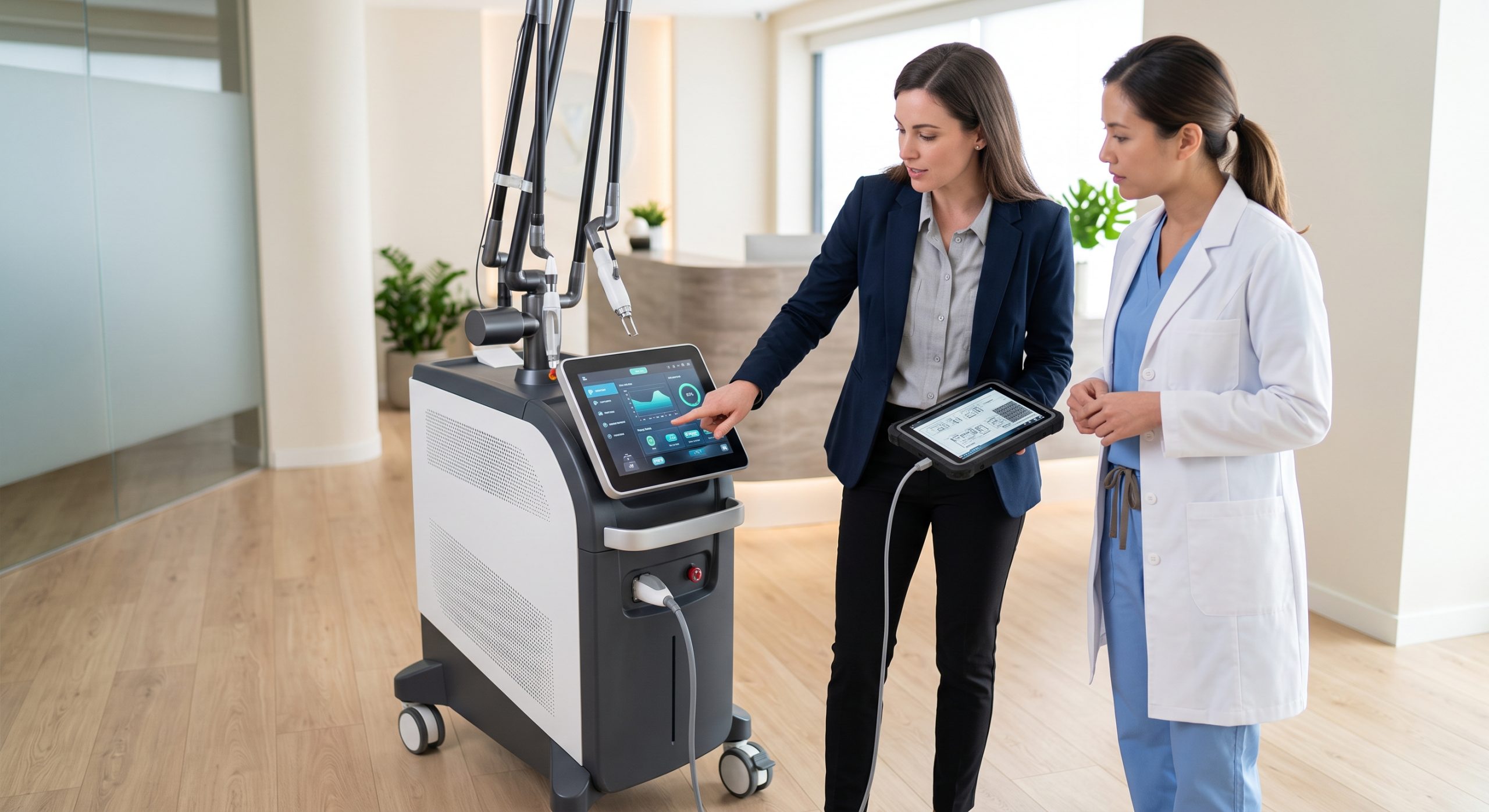
Frequently Asked Questions
Q1: What are the primary indicators of a serious B2B aesthetic device buyer?
A serious buyer is defined by a combination of budget readiness, clinical due diligence, and defined implementation timelines. These buyers typically request detailed technical specifications, including wavelength stability and cooling mechanisms, and present a clear patient demographic profile for their clinic. They often have a specific budget range already approved and inquire about training schedules and installation logistics within the first two discovery calls.
Q2: How does a serious buyer evaluate a device’s warranty and post-sales support?
They assess warranty terms for core components like the laser bar and power supply, expecting standard coverage to be between 24 to 36 months. A serious buyer will explicitly ask about the Mean Time Between Failures (MTBF) and the availability of a local technical support engineer or loaner unit policy. They review the logistics of consumables procurement, asking specifically about shipping times for replacement handpieces to minimize clinic downtime.
Q3: What role does clinical training and certification play in the serious buyer’s decision?
Serious buyers treat clinical training as a non-negotiable prerequisite for safe and effective operation. They will require a detailed certification plan covering both didactic instruction on target tissue selective photothermolysis and hands-on practice with the device’s smart touchscreen UI. They also inquire about the availability of ongoing clinical support and refresher courses to ensure they are maximizing ROI with optimal treatment parameters.
Q4: Why is the provision of clinical studies and patient case data critical to a serious buyer?
Because they require evidence-based validation of efficacy claims for their specific target demographics, such as Fitzpatrick skin types IV-VI. A serious buyer will review pre-market clinical data and request access to peer-reviewed literature detailing clearance rates and safety protocols. They use this data to build a compelling business case for their management team and to set precise clinical expectations for their patients regarding treatment sessions.
Q5: How does a serious buyer evaluate total cost of ownership (TCO) versus sticker price?
They perform a detailed ROI analysis that includes the energy source durability, handpiece shot lifespan, and the recurring cost of disposables. A serious buyer calculates the payback period based on specific treatment volumes, consumable costs per treatment, and the device’s potential for expanding their service menu. They actively compare the maintenance costs of internal cooling circuits and laser bars over a 5-year lifecycle.
Q6: What specific documentation does a serious buyer request regarding regulatory compliance?
Serious buyers strictly request valid Medical CE and, where applicable, FDA clearance certificates to ensure liability coverage and insurance compliance. They will also verify ISO 13485 certification for manufacturing quality management systems. These documents are often prerequisites for their clinic’s legal and procurement review committees before a purchase order can be issued.
Q7: How do serious buyers assess the device’s integration capabilities and future upgradability?
They evaluate the device’s platform architecture and inquire about software update policies to ensure it can support future aesthetic applications. They ask about the ability to upgrade handpiece generations or add new wavelengths without replacing the entire console. This protects their initial investment and ensures the clinic’s technology remains relevant in a rapidly evolving market.
Q8: What procurement and logistics questions define a serious buyer’s intent to purchase?
They ask about lead times, Incoterms, shipping insurance, and customs documentation. A serious buyer will have a clear delivery address and a designated point of contact for receiving and signing off on the equipment. They also inquire about payment terms and financing options, demonstrating they are in the final stages of decision-making.