
Blog
The Ultimate Clinic Guide to 7-Year Archives: Efficacy, Wavelengths, and ROI
2026年7月16日
The Critical Business Imperative for 7-Year Data Retention
For elite medical aesthetic clinics and high-volume med spas, data integrity isn’t just a regulatory checkbox—it is the backbone of clinical excellence and long-term profitability. The mandate for 7-year archives represents a convergence of stringent medical device compliance, robust ISO 13485 quality management, and the operational necessity of tracking treatment outcomes across a patient’s lifetime. Unlike standard business record-keeping, the medical aesthetics industry demands this specific archival period to validate FDA clearance protocols, satisfy Medical CE requirements, and provide a comprehensive medico-legal audit trail. This guide explores why leading clinics are investing heavily in advanced archival infrastructure, not merely as a cost center, but as a strategic asset to optimize device performance, ensure patient safety, and maximize return on investment through superior data-driven decisions.
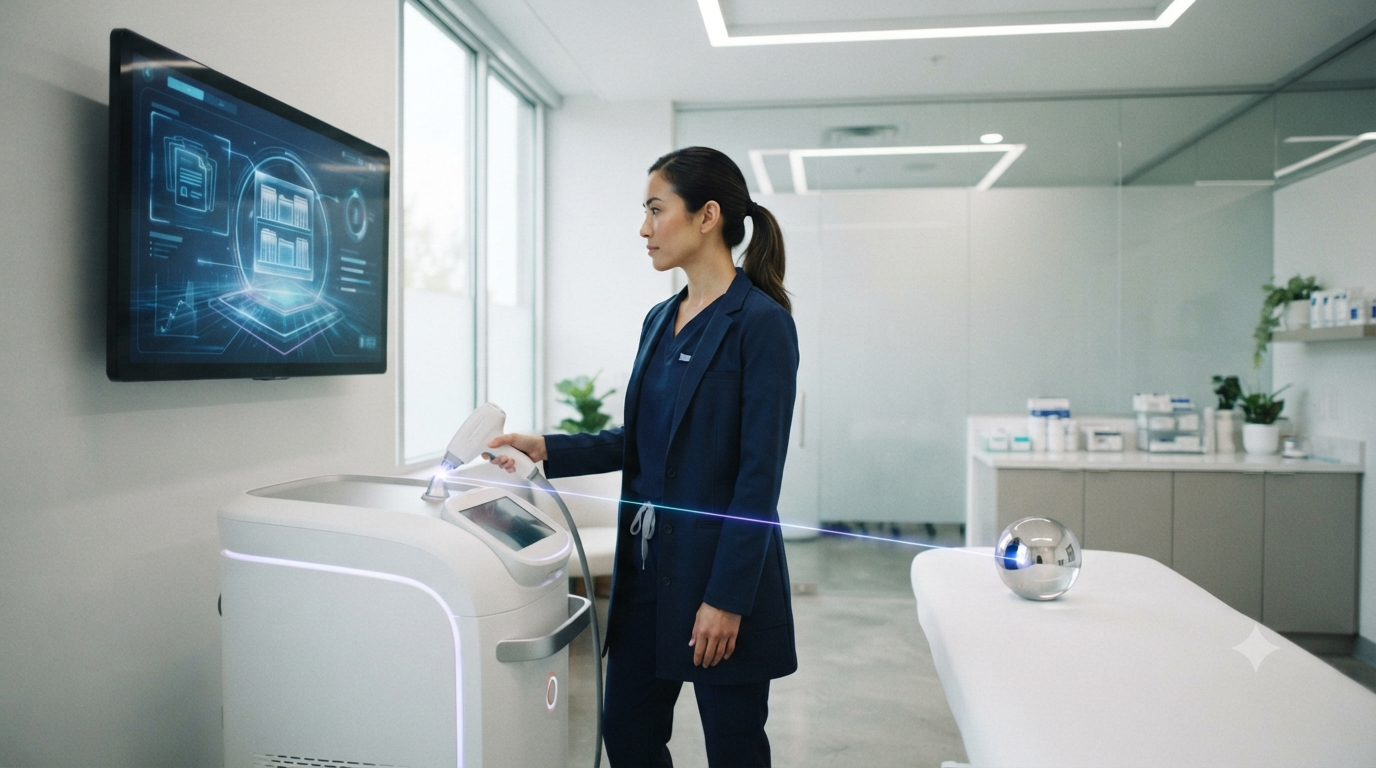
In the high-stakes environment of aesthetic medicine, every treatment parameter—from wavelength selection to energy density (Fluence) and pulse width—must be meticulously recorded and retrievable for up to seven years. This requirement is deeply embedded in the operational protocols of devices utilizing multi-wavelength platforms, including the 755nm, 808nm, and 1064nm diode lasers. The archive serves as a living repository that allows clinicians to analyze long-term efficacy, track subtle changes in patient response, and precisely adjust protocols based on historical data, thereby elevating the standard of care. Furthermore, a comprehensive archive provides a clear record of maintenance cycles, consumable replacements, and handpiece longevity, offering a clear picture of the device’s total cost of ownership (TCO) and ensuring uninterrupted, high-throughput clinical operations.
The Technical Anatomy of Laser Performance: Parameters and Compliance
Understanding the precise technical specifications of medical aesthetic devices is foundational to appreciating why a 7-year archive is non-negotiable. These archives must capture a detailed history of key performance metrics, such as spot size variability, fluence stability, and pulse duration, which are critical for achieving selective photothermolysis—the precise targeting of chromophores while sparing surrounding tissue. For a diode laser operating at 808nm, for instance, the archive records the interplay between a 10x10mm or 12x12mm spot size, fluence ranging from 10 to 40 J/cm², and pulse widths of 5 to 400 milliseconds, providing a complete fingerprint of every treatment session. This level of granularity is essential for maintaining FDA 510(k) clearance and adhering to the rigorous quality control standards mandated by ISO 13485 for medical device manufacturing and clinical deployment.
Core Parameter Mapping for Clinical Audits
The archival process systematically logs data that proves the device has delivered consistent, reliable energy outputs over its operational lifespan. This data is crucial for regulatory audits, equipment certification, and troubleshooting any deviations in performance. Below is a framework of the standard parameters that a robust 7-year archive must maintain, showcasing the intersection of clinical application and engineering precision:
| Key Parameter | Technical Specification | Typical Range/Value |
|---|---|---|
| Laser Type / Wavelength | Diode Laser (e.g., 755nm, 808nm, 1064nm) | Multiple Wavelengths Available |
| Energy Density / Fluence | Measured in J/cm² | 10 – 40 J/cm² (Adjustable) |
| Spot Size | Determines treatment area and penetration | 10x10mm, 12x12mm, etc. |
| Pulse Width | Duration of laser energy pulse | 5 – 400 ms |
| Cooling System | Epidermal protection and comfort | Sapphire Contact Cooling (e.g., -5°C to 4°C) |
| Peak Power | Measured in Watts (W) | Varies based on model (e.g., Up to 2400W) |
| Regulatory Standards | Safety and Quality Management | Medical CE, FDA 510(k) Cleared, ISO 13485 |
| Handpiece Durability | Laser bar lifespan in shots | Up to 3,000,000 shots |
Beyond just energy metrics, the archive must document the performance of integral subsystems such as the cooling system (e.g., Sapphire contact cooling) to ensure epidermal protection, especially when treating darker skin types (Fitzpatrick IV-VI). It also tracks the operational hours and shot count of handpieces, providing essential data to plan preventive maintenance and preemptively replace consumable components before they impact clinical outcomes. This proactive approach, enabled by deep archival analysis, minimizes costly unplanned downtime and preserves a high standard of patient care, directly impacting clinic profitability and reputation.
Epidermal Protection and Advanced Cooling Technologies
The ability to safely deliver therapeutic energy while minimizing patient discomfort and the risk of burns is a hallmark of premium aesthetic devices. The Sapphire ICE cooling system or advanced thermoelectric cooler (TEC) technologies are prime examples of components whose performance must be rigorously tracked over time. A 7-year archive records the efficiency and consistency of these cooling systems, ensuring that they maintain a surface temperature of approximately -5°C to 4°C during the laser pulse. This is crucial for treating a diverse patient demographic, allowing clinicians to safely apply high fluences on a variety of skin types, from Fitzpatrick I to VI, with optimized efficacy.
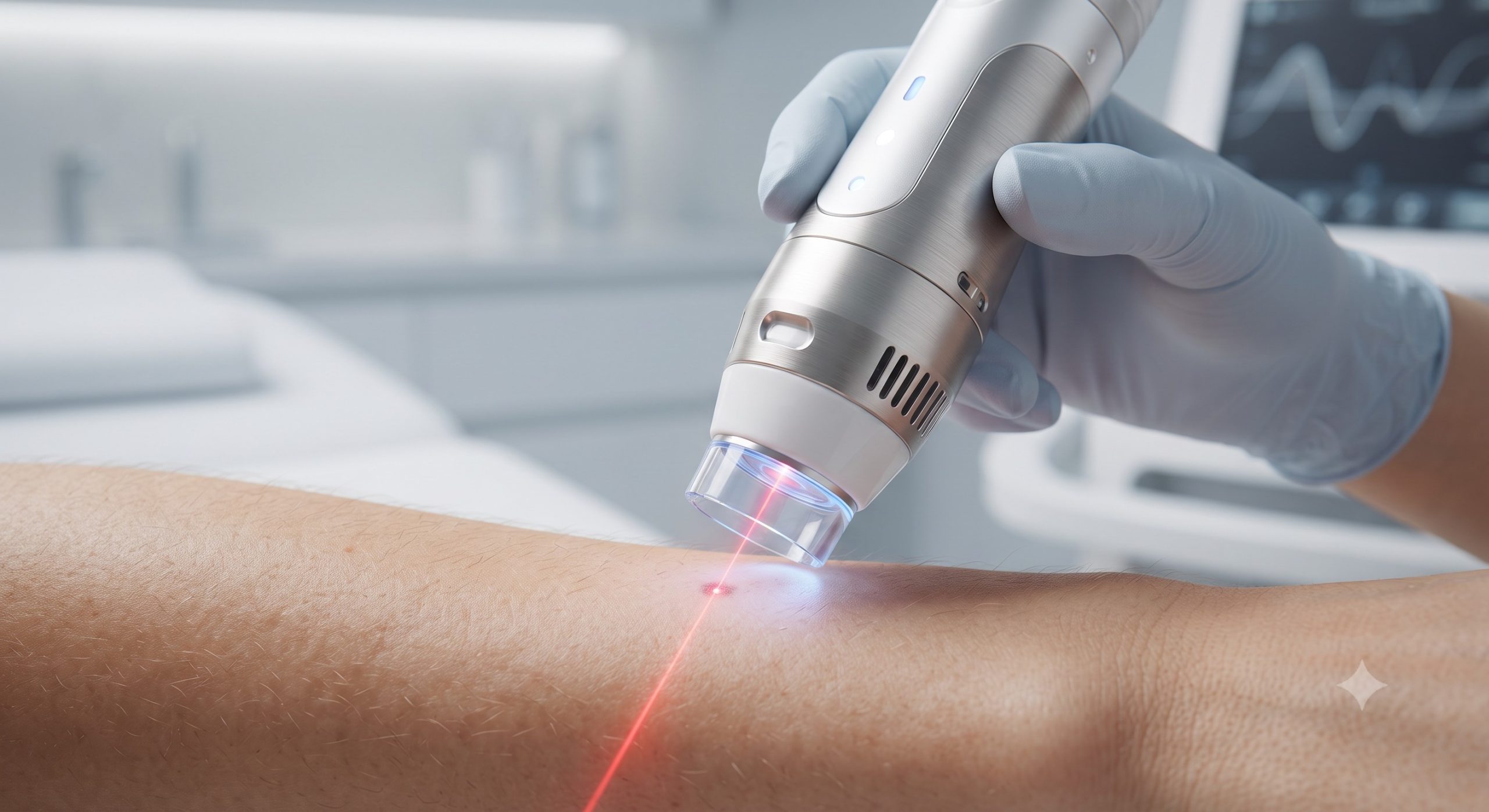
Furthermore, the archive supports the evolution of clinical protocols. By cross-referencing patient skin type, fluence, pulse width, and cooling efficiency over years, clinics can refine their own best-practice guides. This not only reduces the risk of adverse events but also significantly enhances patient satisfaction by maximizing hair reduction, pigment clearance, or vascular lesion removal rates. The long-term record acts as a powerful tool for continuous quality improvement, enabling the clinic to demonstrate a track record of safety and efficacy when marketing high-ticket services and justifying premium pricing. In combination with an advanced multi-wavelength approach—like the triple wavelength synergy of 755nm for superficial melanin, 808nm for deeper follicles, and 1064nm for deep vessels—clinics can treat a wider range of indications, and the archive provides the evidence base to substantiate these claims.
Return on Investment: From Compliance to Competitive Advantage
Viewing 7-year archives solely as a regulatory requirement underestimates their strategic value. For business owners and clinical directors, these archives are a goldmine of operational intelligence. A deep analysis of archived data allows for precise quantification of Treatment Speed, average session duration, and consumable costs per patient. Clinics can leverage this data to optimize appointment scheduling, increase throughput, and accurately forecast revenue. For example, knowing the average number of pulses needed per treatment area per skin type allows for precise cost-per-patient calculations, enhancing the accuracy of pricing models and marketing ROI assessments.
Furthermore, the archive is a clinic’s best defense against professional liability claims. Should a question arise about a treatment performed years prior, a complete and auditable archive provides irrefutable evidence of the protocol followed, device settings used, and patient consent obtained. This medico-legal protection is an invaluable asset, shielding the clinic from potentially devastating financial and reputational damage. Ultimately, investing in a robust archival system demonstrates a commitment to excellence, aligning with medical CE and FDA compliance while solidifying the clinic’s reputation as a leader in safe, data-driven, and high-quality aesthetic care. This not only attracts discerning patients but also streamlines the procurement of new devices, as the infrastructure for rigorous clinical governance is already in place.
Conclusion: The Future of Clinic Governance
The imperative for 7-year archives in the aerospace and medical industries is a testament to the non-negotiable values of safety, precision, and accountability. For the medical aesthetic clinic, these archives are more than just data storage—they are the strategic foundation for clinical excellence, operational efficiency, and sustainable growth. By thoroughly documenting the long-term performance of devices, tracking treatment parameters like wavelength and fluence, and safeguarding against liability, clinics can confidently navigate the complexities of modern healthcare compliance. The investment in a sophisticated archival system is not a cost, but a critical investment in the clinic’s future, ensuring that it remains at the forefront of the industry, delivering safe, effective, and profitable patient care for years to come.