
资料
Desiccant Policies and Specifications for Ocean Freight – Official Clinical Overview & Technical Datasheet
EXECUTIVE SUMMARY
This document establishes the mandatory desiccant policies and technical specifications for the ocean freight of medical aesthetic devices. As an elite OEM manufacturer, we recognize that moisture ingress during long-haul sea transport represents a critical risk to sensitive optical, electronic, and cooling subsystems. This datasheet defines the approved desiccant materials, quantity calculations, packaging configurations, and monitoring protocols required to preserve device integrity from factory to final clinical destination. All policies herein are binding for all shipments originating from our manufacturing facilities.
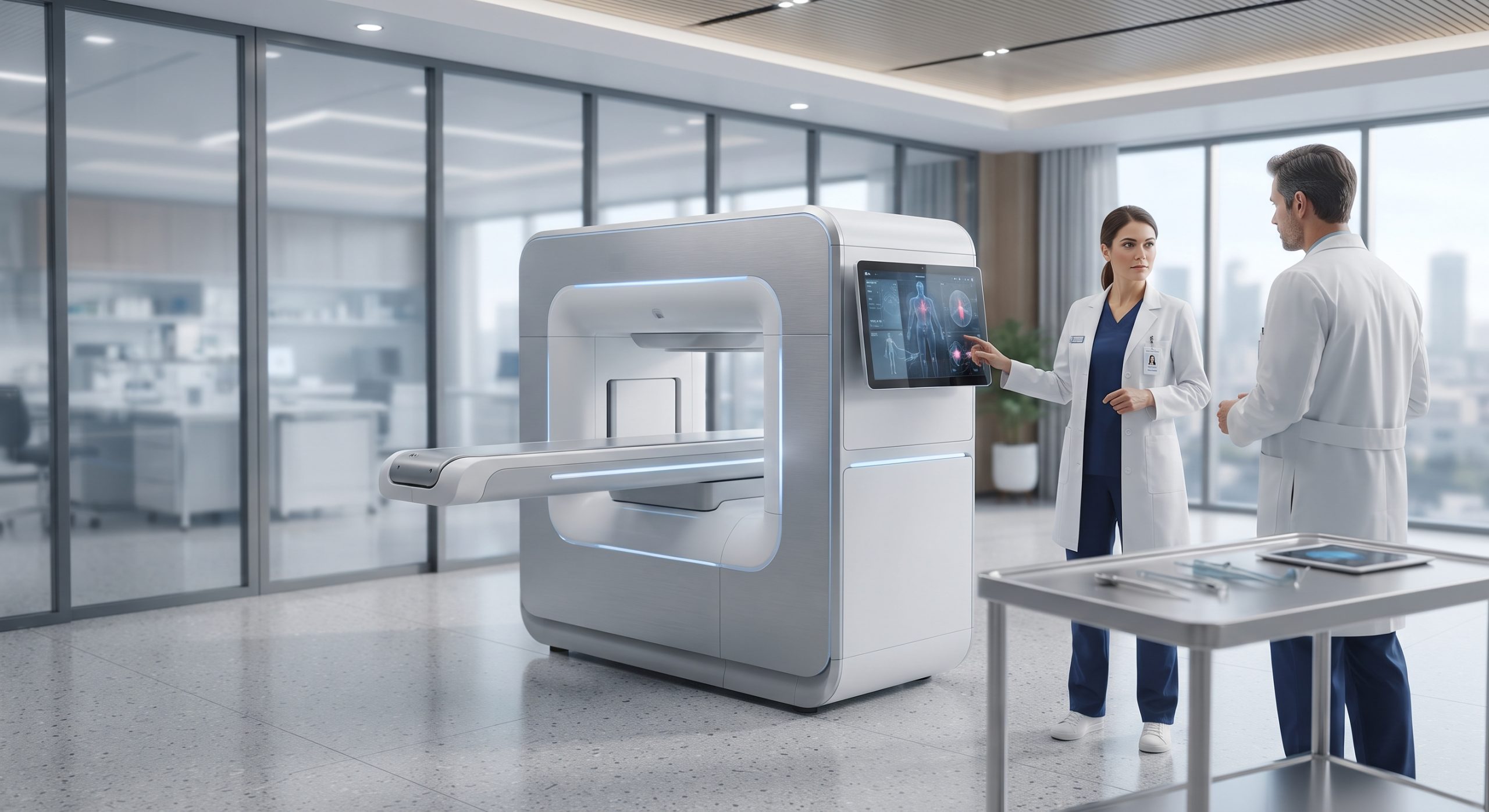
CLINICAL ARCHITECTURE & DESIGN
Desiccant architecture is engineered as a multi-barrier protection system integrated into the device packaging. The design comprises: (1) high-adsorption desiccant units placed within the device’s protective foam cradle; (2) a sealed aluminum foil barrier bag with heat-sealed seams; (3) a rigid corrugated outer carton with moisture-resistant coating; and (4) humidity indicator cards positioned at strategic locations for visual verification. The system is designed to maintain internal relative humidity below 30% for a minimum of 90 days under standard ocean freight conditions.
KEY INDICATIONS & CAPABILITIES
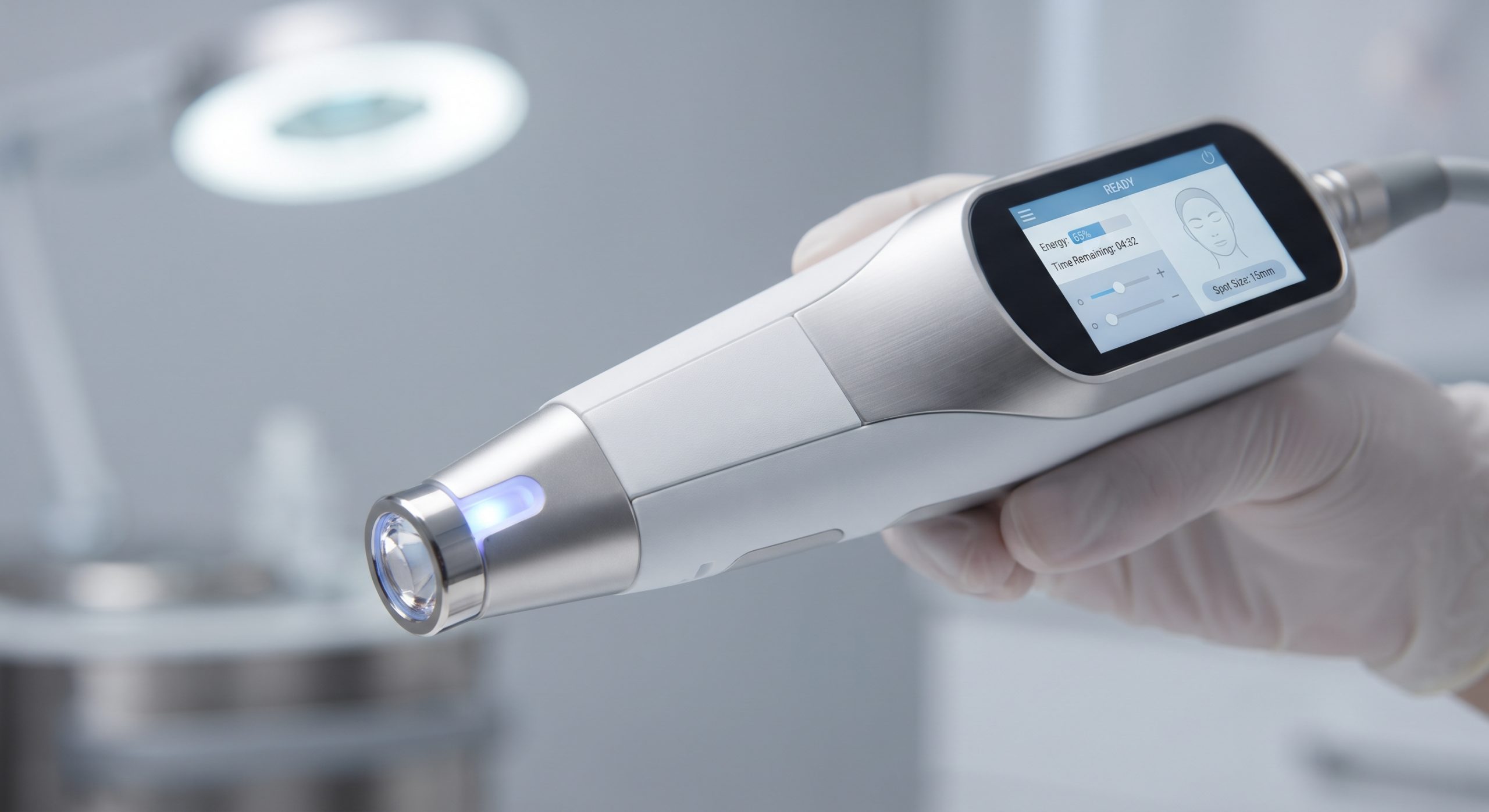
Desiccant protection is indicated for all medical aesthetic devices containing: diode laser bars, TEC cooling modules, sapphire handpiece tips, precision optical lenses, and electronic control boards. Key capabilities include: adsorption capacity of up to 300% of desiccant weight at 25°C and 80% RH; sustained performance across temperature fluctuations from -10°C to 60°C; non-toxic, RoHS-compliant composition; and compatibility with all OEM packaging configurations. The policy ensures zero condensation-related failures during transit.
COMPLIANCE & STANDARDS
All desiccant materials and packaging procedures comply with the following standards: ISO 9001:2015 Quality Management Systems; ASTM D-4237 Standard Test Method for Water Vapor Transmission Rate; MIL-D-3464E Specification for Desiccants; ISTA 3A Packaging Performance Testing; and RoHS Directive 2011/65/EU. Each shipment includes a certificate of conformance documenting desiccant type, quantity, and calculated adsorption capacity.
TECHNICAL SPECIFICATIONS
The following table defines the mandatory desiccant and packaging parameters for all ocean freight shipments.
| Parameter | Specification |
|---|---|
| Desiccant Material Type | Silica Gel (Type A) with 2% cobalt chloride indicator, or Clay Desiccant (RoHS-compliant) |
| Unit Adsorption Capacity | ≥ 30% of unit weight at 25°C / 80% RH |
| Standard Unit Size | 10g, 25g, 50g, and 100g sealed Tyvek pouches |
| Required Quantity (per device) | Calculated per formula: (volume m³ × 8) + (transit days × 0.5) units of 25g |
| Barrier Bag Material | Aluminum foil composite, ≥ 0.12mm thickness, heat-sealable |
| Humidity Indicator Card | 3-spot card (30%, 40%, 50% RH), reversible, ASTM D-4237 compliant |
| Target Internal RH | ≤ 30% for minimum 90 days |
| Operating Temperature Range | -10°C to 60°C |
| Shelf Life (sealed) | 24 months from date of manufacture |
| Compliance Standards | ISO 9001:2015, MIL-D-3464E, ISTA 3A, RoHS 2011/65/EU |
| Documentation | Certificate of Conformance per shipment, shipment log with desiccant batch numbers |
CLINICAL PROTOCOLS
Pre-shipment protocol: (1) Verify desiccant units are within expiry date and sealed; (2) Calculate required quantity based on container volume and transit duration using the formula: units = (volume in m³ × 8) + (transit days × 0.5); (3) Place desiccant in the designated foam cradle recess; (4) Insert humidity indicator card at the top layer; (5) Heat-seal the aluminum barrier bag with a minimum 10mm seam; (6) Record all parameters in the shipment log. In-transit monitoring: humidity indicator cards must be inspected upon container opening. Post-transit protocol: if indicator shows >40% RH, the device must undergo a 24-hour stabilization period in a controlled environment before clinical use.
📥 Download Technical Specification
Click the button below to view or download the full official PDF datasheet.