
常见问题
Medical Device Data Compliance FAQ: Do You Conduct Regular Backups of Your Digital Traceability Database?
Overview
For B2B aesthetic device buyers, digital traceability database backups are not an IT afterthought—they are a regulatory necessity and a core component of post-sales risk management. Whether you operate a medical spa, dermatology clinic, or aesthetic surgery center, your device treatment records, calibration logs, and patient parameter histories must remain retrievable, unaltered, and audit-ready throughout the device lifecycle. The following FAQ addresses the most critical pre-sales and post-sales questions clinic owners and procurement teams ask about our backup protocols, compliance alignment, and data recovery safeguards.
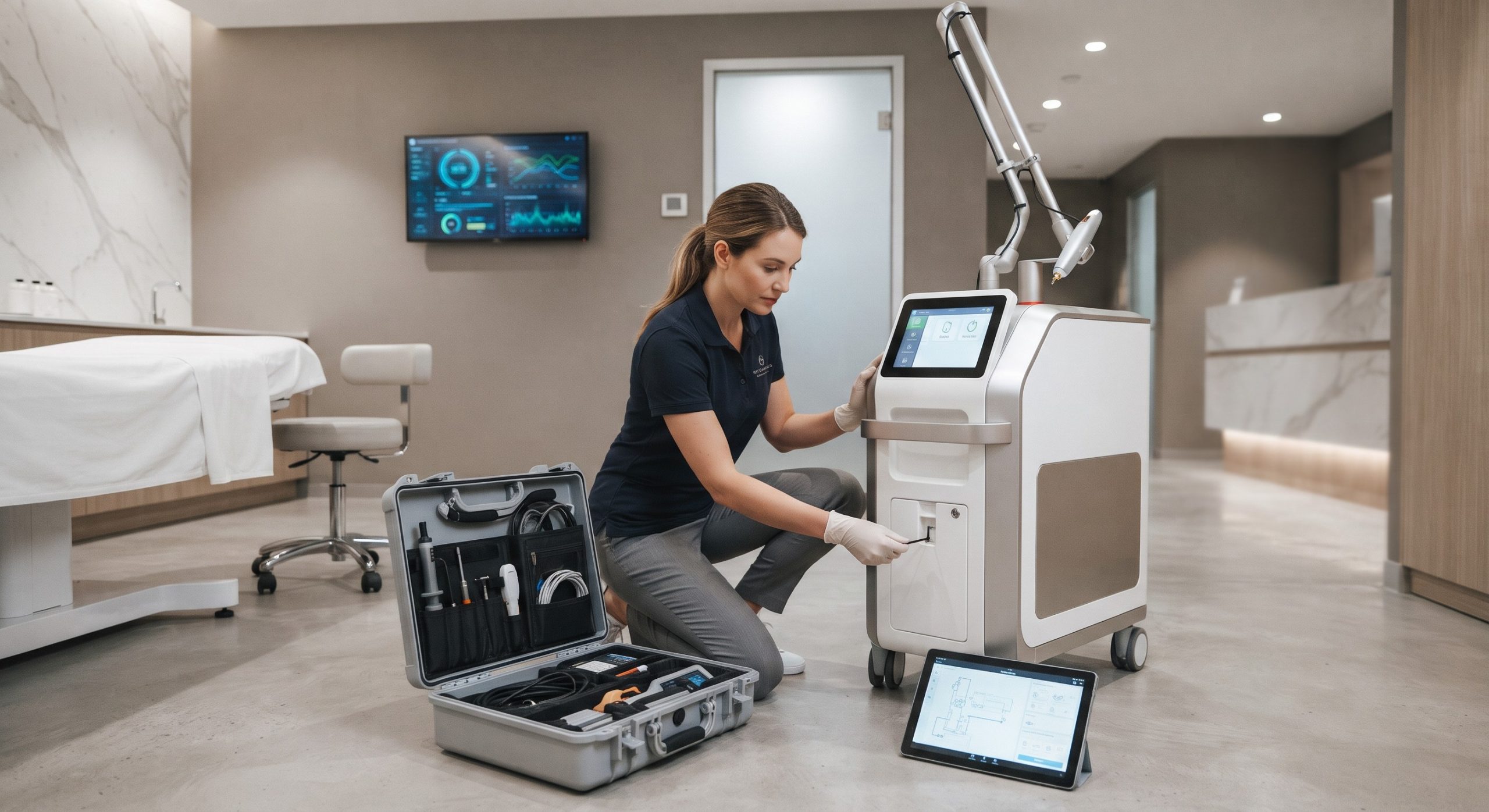
Frequently Asked Questions
Q1: Do you conduct regular backups of your digital traceability database?
Yes, we conduct automated daily backups of the digital traceability database, with encrypted off-site replication performed every 24 hours. This protocol aligns with GMP requirements for electronic records, which mandate that electronic data be backed up with a retention period no shorter than the defined record retention period and remain readily accessible for review during that period . For clinic buyers, this means your device treatment logs, energy settings, and operator credentials are protected against local hardware failure, accidental deletion, or site-level incidents without requiring manual intervention from your staff.
Q2: How does your backup protocol satisfy medical device GMP and regulatory audit requirements?
Our backup protocol satisfies GMP requirements by ensuring electronic records remain authentic, accurate, complete, and traceable, with controlled user permissions and retained change logs . The system enforces role-based access controls so that only authorized personnel can modify or delete data, and every change is timestamped and attributable. For clinics preparing for regulatory inspections or internal quality audits, this means your device usage history and patient-linked treatment parameters can be produced on demand without reconstruction or reconciliation delays.
Q3: What happens to my clinic’s treatment data if the device’s local hard drive fails or is damaged?
In the event of local hardware failure, your clinic’s treatment data remains recoverable from the encrypted off-site backup, with restoration initiated within 4 business hours of a verified support request. The local database is designed as a synchronized mirror of the secure backup, not the sole repository of your records. This redundancy is critical for aesthetic clinics because treatment parameter histories—fluence, pulse duration, spot size, and pass counts—directly inform subsequent session planning and serve as legal documentation if a patient outcome is questioned.
Q4: Can clinic staff access or export traceability records for their own quality audits or patient requests?
Yes, authorized clinic administrators can export traceability records—including treatment logs, device calibration history, and operator activity—in standard formats through a permission-controlled management interface. Export permissions are configurable by role, so front-desk staff may view scheduling-related data while clinical directors retain full audit access. This capability supports both internal quality reviews and patient record requests without exposing backend system configurations or compromising data integrity.
Q5: How long are traceability database backups retained, and does this match medical device record-keeping regulations?
Backups are retained for a minimum of 2 years from the date of record creation, consistent with GMP requirements that electronic records be preserved for no less than the device lifespan or 2 years from product release, whichever is longer . For clinics with extended device service lives or multi-year patient treatment courses, extended retention options are available through a documented service agreement. This matters for aesthetic practices because laser and energy-based device treatments often span 6 to 12 sessions over 12 to 18 months, and having a complete, retrievable parameter history across the full course reduces clinical guesswork and supports continuity of care.
Q6: Does the backup system protect patient-identifiable treatment data in accordance with privacy regulations?
Yes, all backed-up traceability data is encrypted both in transit and at rest, and patient-identifiable fields are segregated within the database schema to limit exposure during routine clinical operations. Access to records containing patient identifiers is logged and restricted to clinical personnel with a documented need. For med spas and dermatology clinics operating under HIPAA or equivalent regional privacy frameworks, this segregation simplifies compliance mapping because the backup infrastructure treats protected health information with the same access-control and audit-logging standards applied to the live database.
Q7: What post-sales technical support is available if my clinic needs to verify backup integrity or restore a specific record?
Post-sales support includes a documented backup verification procedure your clinic can request during onboarding, plus direct technical assistance for record-level restoration requests submitted through the support portal. Verification reports confirm backup timestamps, checksum integrity, and retention status, and can be scheduled quarterly as part of your clinic’s internal quality calendar. For B2B buyers evaluating long-term vendor reliability, this level of post-sales data support distinguishes a device provider that treats traceability as a clinical governance tool rather than a checkbox feature.