
博客
The Ultimate Clinic Guide to CE Technical Files for Industrial Components: Compliance, Wavelengths, and ROI
2026年7月6日
Introduction: The Critical Role of Technical Files in Aesthetic Device Compliance
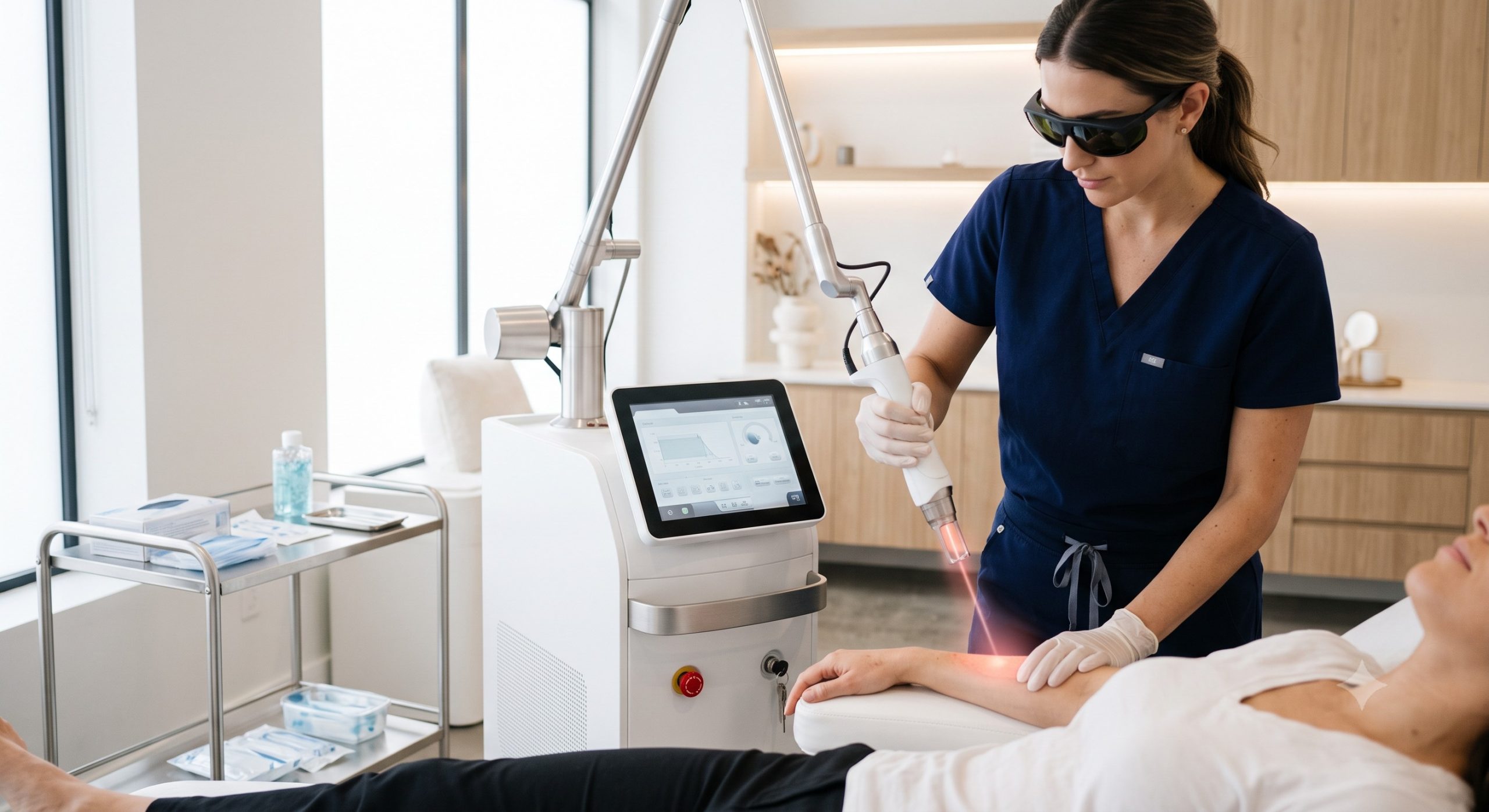
In the rapidly evolving landscape of medical aesthetics, ensuring that every component of your device ecosystem meets rigorous safety standards is paramount. For clinics and manufacturers alike, a comprehensive CE Technical File is not just bureaucratic paperwork; it is the backbone of patient safety and market access. This guide delves into the technical specifications, documentation requirements, and strategic importance of maintaining compliant technical files for industrial components used in aesthetic devices such as diode lasers for hair removal, Q-switched Nd:YAG for pigmentation, and vascular lesion treatments .
Understanding the Regulatory Framework: Medical CE and ISO 13485
To legally place a medical aesthetic device on the European market, it must bear the CE mark, indicating conformity with the Medical Devices Regulation (MDR) 2017/745 or the In Vitro Diagnostic Medical Devices Regulation (IVDR). The manufacturer is responsible for compiling a technical file that demonstrates compliance with the essential health and safety requirements . This documentation must be retained for at least ten years after the last device has been manufactured . A robust quality management system (QMS) is crucial for maintaining this compliance. ISO 13485:2016 is the internationally recognized standard specifically for medical devices, ensuring consistent design, development, production, and delivery of devices that are safe for their intended purpose .
Core Components of a Technical File
The technical file serves as a repository of evidence that a device is safe and performs as intended. Key elements include a general description of the device, conceptual design and manufacturing drawings, schematics, and a list of harmonized standards applied . It also contains risk assessment records, test reports, and the Declaration of Conformity . For industrial components, such as laser bars, power supplies, and cooling systems, this is where specific technical metrics are detailed and verified.
| Key Parameter | Technical Specification / Typical Values |
|---|---|
| Wavelength / Laser Type | 755nm (Alexandrite) / 808nm (Diode) / 1064nm (Nd:YAG) |
| Energy Density (Fluence) | 5 – 30 J/cm² (depending on skin type and indication) |
| Pulse Width | 10 – 400 ms (adjustable for thermal relaxation times) |
| Spot Size | Up to 15 x 15 mm (large spot sizes for high throughput) |
| Cooling System | Integrated Sapphire Contact Cooling (e.g., -5°C to 5°C) |
| Applicable Standards | Medical CE (MDR 2017/745), ISO 13485, IEC 60601 Series |
| Clinical Indications | Hair Removal, Pigmented Lesions, Vascular Lesions |
| Skin Types | Fitzpatrick I-VI (with appropriate parameter selection) |
Clinical Deep Dive: Selective Photothermolysis & Parameter Optimization
The efficacy of laser-based aesthetic devices hinges on the principle of selective photothermolysis. This theory dictates that specific wavelengths are absorbed by target chromophores—melanin for hair and pigmented lesions, and hemoglobin for vascular lesions—while sparing surrounding tissue. The critical parameters governing this interaction are wavelength (nm), spot size (mm), energy density/fluence (J/cm²), and pulse width (ms).
For instance, hair removal devices often utilize a combination of wavelengths: 755nm (Alexandrite) is highly melanin-absorbing and effective for lighter skin types, 808nm (Diode) offers a balance of absorption and penetration for deeper follicles, and 1064nm (Nd:YAG) penetrates deeply with less melanin absorption, making it safer for Fitzpatrick Skin Types IV-VI . The treatment parameters must be optimized for these wavelengths; a high fluence with a large spot size can reduce treatment time, but the pulse width must be calibrated to match the thermal relaxation time of the target to prevent epidermal burns. Advanced Sapphire ICE cooling systems are integrated to protect the epidermis, allowing for higher fluences and more comfortable, painless treatments.
Hardware Integrity: Laser Bars and Cooling Systems
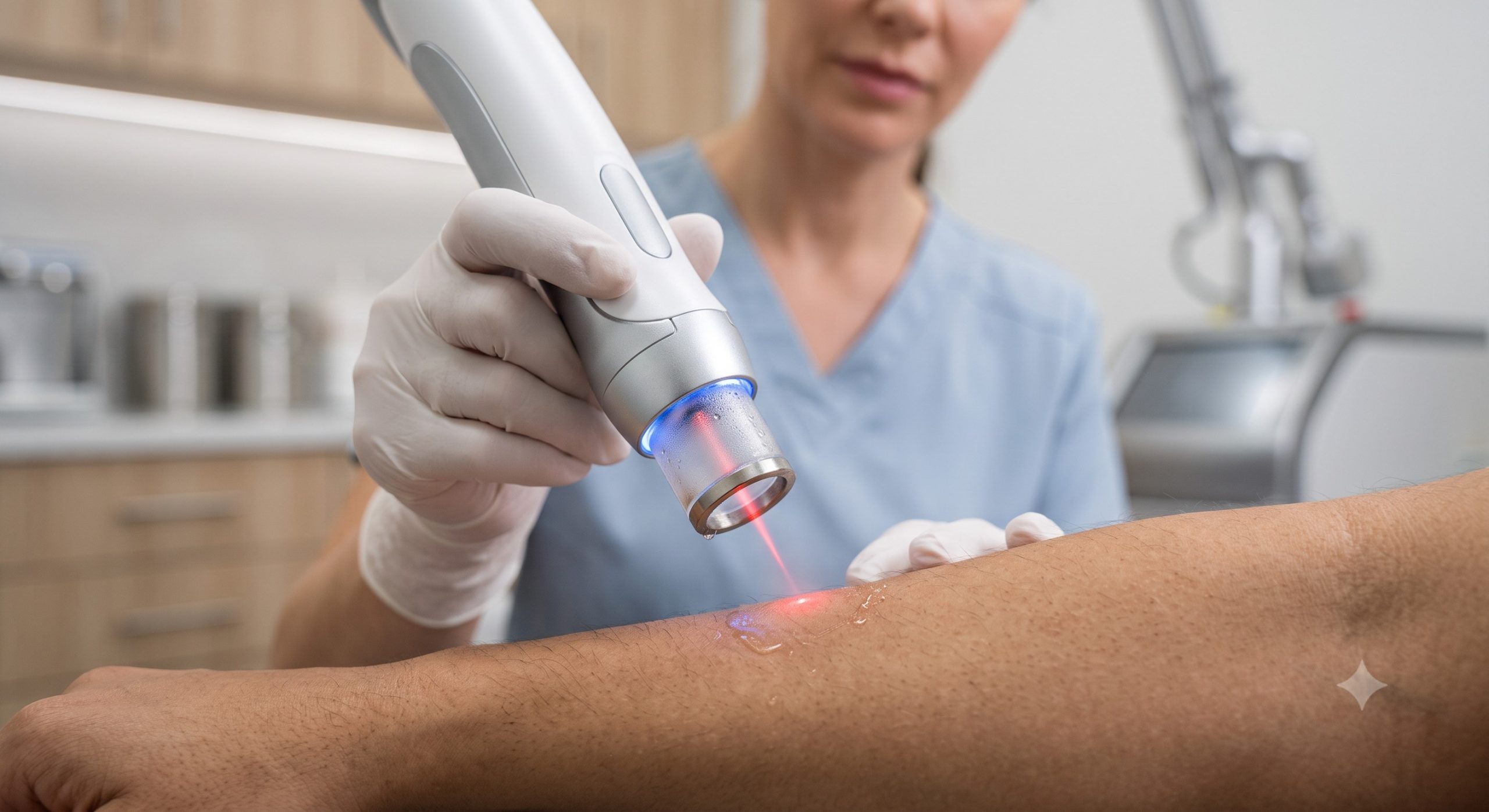
The core of any laser device is the laser bar or source. The technical file must document the performance and longevity of these industrial components. For example, an imported laser bar’s lifespan is measured in millions of pulses (e.g., 20-30 million shots). The efficacy of the system is also dependent on the cooling mechanism. Sapphire contact cooling, coupled with TEC (Thermoelectric Cooling) systems, ensures the handpiece tip maintains a stable low temperature, usually around -5°C to 5°C, to protect the skin throughout the treatment session. The technical file provides the test reports and engineering data to verify this performance stability.
Treatment Areas and Indications
Modern aesthetic platforms are designed for versatility. With appropriate parameter adjustments, these systems can effectively treat a wide range of indications, including permanent hair reduction on all skin types, removal of benign pigmented lesions (e.g., age spots, sunspots), vascular lesions (e.g., spider veins, rosacea), and even non-ablative skin rejuvenation. The technical file supports these claims with clinical evidence and must define the intended use clearly. The energy output parameters (fluence, spot size) are tailored to these indications, ensuring safe and effective outcomes across diverse patient populations.
Clinic ROI and Strategic Value of Compliance
Investing in CE-marked devices with comprehensive technical files is not just a regulatory necessity; it is a strategic business decision. From a financial perspective, devices that are certified to the latest MDR standards often have a higher resale value and lower liability risk. The technical file ensures that the device’s performance metrics are consistent, allowing clinicians to deliver predictable results. This translates into higher patient satisfaction, retention, and increased revenue per patient.
Furthermore, the file serves as a vital tool for technical support and maintenance. Understanding the total cost of ownership (TCO)—including consumable costs and handpiece durability—allows clinic owners to accurately project profitability. By adhering to strict compliance standards, med spas and aesthetic clinics can accelerate treatment throughput, optimize clinical workflows, and establish themselves as leaders in patient safety and advanced technology.
Conclusion
A CE Technical File is a dynamic document that offers more than just regulatory acceptance; it is a testament to the quality, safety, and clinical efficacy of an aesthetic device. For clinics and providers, ensuring that their equipment is backed by comprehensive, up-to-date technical documentation is essential. It not only guarantees compliance with European standards but also provides a foundation for delivering exceptional, high-precision treatments that drive business growth and patient loyalty.