
Материал
Medical CE & FDA Technical Compliance Register: Translation Quality Assurance Protocol for Tech Files
CLINICAL SAFETY POSITIONING
The Translation Quality Assurance Protocol for Tech Files establishes a controlled, audit-ready framework for the multilingual rendering of all technical documentation supporting the aesthetic device platform. In the regulated medical device sector, translation is not a linguistic afterthought but a safety-critical control. Misrendered parameter values, inverted warning statements, or ambiguous contraindication language can result in operator error, patient harm, and regulatory non-conformance. This protocol defines the governance, verification layers, and traceability mechanisms required to ensure that every translated technical file — from IFU and service manuals to parameter registers and compliance declarations — maintains semantic fidelity, terminological consistency, and regulatory equivalence with the master source document. The protocol is engineered for deployment across OEM export markets and is compatible with ISO 13485 documentation control, EU MDR linguistic requirements, and FDA 21 CFR 820 design control expectations.
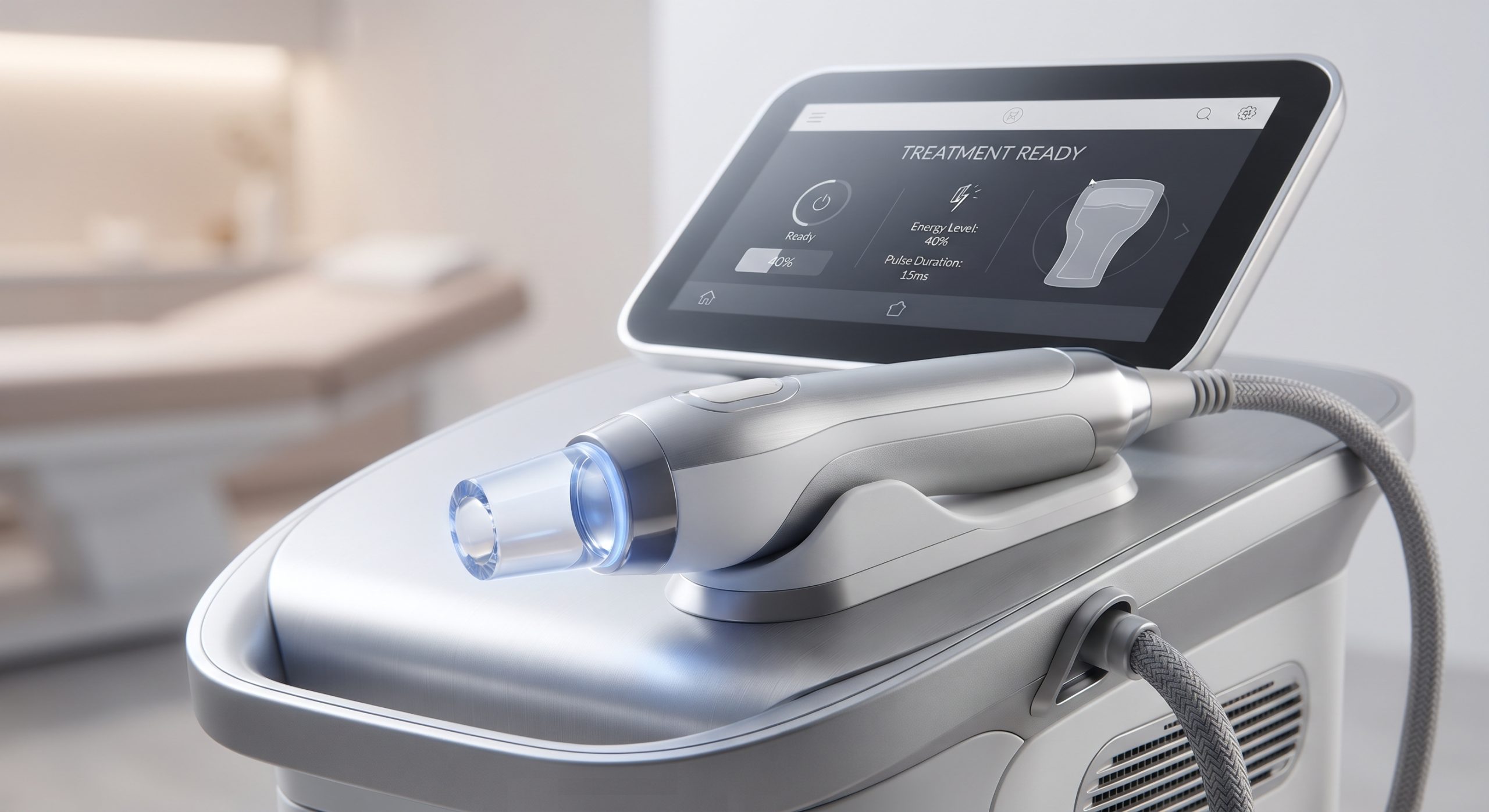
TEMPERATURE MONITORING CAPABILITIES
Within the technical file ecosystem, temperature-related parameters — including sapphire tip cooling thresholds, TEC setpoints, and thermal cutoff values — represent the highest-risk translation category. The protocol mandates a dedicated numeric and unit verification layer in which every temperature value, tolerance range, and unit symbol (degrees Celsius, degrees Fahrenheit, kelvin) is cross-checked against the source register by two independent reviewers. Any deviation triggers a non-conformance hold and a formal correction cycle. This mirrors the device-level thermal safety logic, where continuous monitoring and hard limits prevent epidermal injury; in documentation terms, the same principle prevents a mistranslated setpoint from reaching a clinical operator. Monitoring extends to version drift: when the master technical file is revised, all dependent translations are automatically flagged for re-verification, and the revision delta is logged with reviewer identity, timestamp, and disposition.
PREMIUM COMPONENT ASSEMBLY
The protocol is assembled from four premium-grade control components. First, a controlled terminology database (glossary and termbase) locks approved translations for all clinical, electrical, and regulatory terms, preventing synonym drift across documents and markets. Second, a translation memory system enforces reuse of previously validated segments and flags any deviation from approved renderings. Third, a dual-reviewer workflow separates linguistic review from technical subject-matter review, ensuring that a native-language editor confirms fluency while a clinical or engineering reviewer confirms factual accuracy. Fourth, a signed Certificate of Translation Accuracy is issued for each deliverable, naming the source document version, target locale, reviewers, and verification date. Together these components form a closed-loop quality system in which no translated technical file can be released without documented evidence of all four controls having been satisfied.
DETAILED PARAMETERS
The protocol governs the full document taxonomy of the device platform, including instructions for use, clinical protocol guides, service and maintenance manuals, parameter registers, label and packaging text, and regulatory submission dossiers. Each document class carries a defined risk tier that determines review depth: Tier 1 documents (IFU, contraindications, safety warnings) require dual independent back-translation and a clinical sign-off; Tier 2 documents (service manuals, parameter tables) require numeric verification and technical review; Tier 3 documents (marketing-adjacent technical summaries) require terminology compliance and single technical review. All tiers require glossary conformance and version-control logging. The protocol also specifies handling of embedded tables, where column alignment and unit headers must be preserved exactly, and of image callouts, where label text must be re-typeset and re-verified against the source graphic.
| Parameter | Specification |
|---|---|
| Protocol Designation | TQA-PROTOCOL-TF / Rev. 1.0 |
| Applicable Document Classes | IFU, service manuals, parameter registers, labels, regulatory dossiers |
| Risk Tiering | Tier 1 (safety-critical), Tier 2 (technical), Tier 3 (summary) |
| Terminology Control | Controlled glossary and termbase with locked approved renderings |
| Verification Layers | Translation, linguistic review, technical review, numeric verification, release |
| Back-Translation Requirement | Mandatory for Tier 1 safety and contraindication content |
| Version Control | Source freeze, delta flagging, re-verification on master revision |
| Traceability Output | Signed Certificate of Translation Accuracy per deliverable |
| Regulatory Alignment | EU MDR 2017/745, FDA 21 CFR 820, ISO 13485, ISO 17100 |
| Audit Cadence | Periodic internal sampling audit with corrective feedback loop |
MEDICAL CERTIFICATIONS
The Translation Quality Assurance Protocol is designed to satisfy the linguistic and documentation requirements of the principal medical device regulatory regimes. Under EU MDR 2017/745, it supports the requirement that labels and IFU be provided in the languages of the member state of supply, with translation accuracy subject to notified body scrutiny. Under FDA 21 CFR 820, it integrates with design control and document control procedures, ensuring that translated artifacts are treated as controlled records with full traceability. The protocol aligns with ISO 13485 clause 4.2.4 on document control and clause 4.2.5 on record control, and with ISO 17100 quality standards for translation services, including translator competence, revision, and project management requirements. Where the device carries CE marking or is subject to FDA 510(k) clearance, the protocol provides the audit trail necessary to demonstrate that multilingual technical files are equivalent in content and safety intent to the approved master versions.
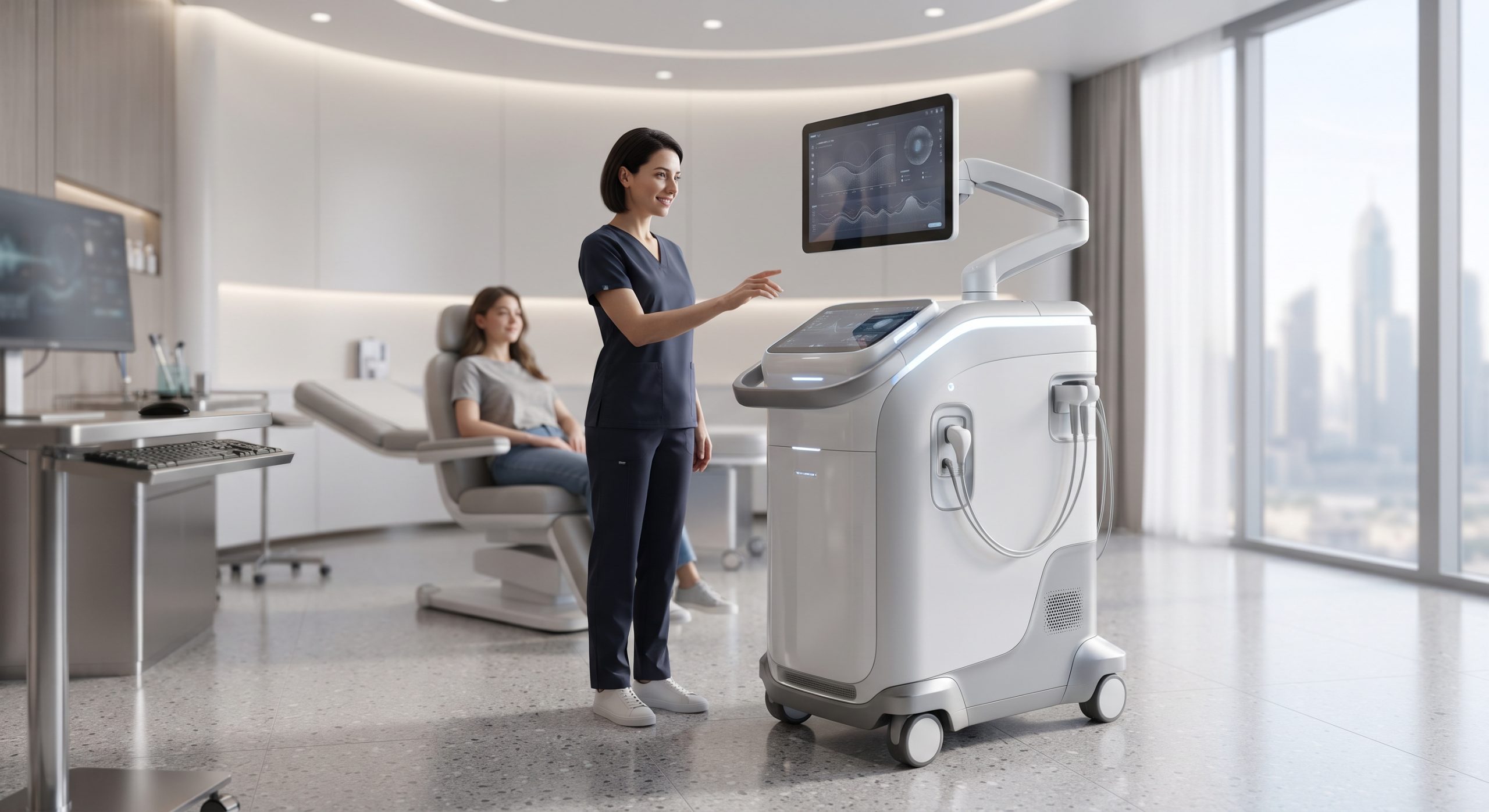
CLINICAL ENVIRONMENT
Deployment of the protocol within a clinical or OEM environment follows a defined operational cadence. Source technical files are frozen and version-stamped before translation begins; any post-freeze change restarts the affected workflow. Translators and reviewers are qualified against the terminology database and sign confidentiality and competence declarations. Each deliverable passes through translation, linguistic review, technical review, numeric verification, and final release, with each stage recorded in a quality log. Released files are archived alongside the master source, and the Certificate of Translation Accuracy is filed with the device technical file. Periodic internal audits sample released translations against source documents to confirm ongoing conformance, and audit findings feed back into glossary updates and reviewer calibration. This environment ensures that translation quality is not a one-time event but a continuously monitored and auditable clinical process.
📥 Download Technical Specification
Click the button below to view or download the full official PDF datasheet.