
Материал
Обзор архитектуры системы цифровой прослеживаемости - Официальный клинический обзор
EXECUTIVE SUMMARY
This document provides a comprehensive clinical and technical overview of the Digital Traceability System Architecture, a proprietary, end-to-end software and hardware ecosystem designed for the modern medical aesthetic device OEM. This system is not a standalone piece of software but an integrated platform that provides true end-to-end visibility, tracking, and authentication across the entire medical device lifecycle. The architecture is built to ensure absolute compliance with global regulatory standards, enhance patient safety, and deliver a high-integrity data backbone for clinical asset management.
This whitepaper details the system’s secure, cloud-native architecture, its clinical integration capabilities, and its role in facilitating a seamless, auditable digital thread from manufacturing through to end-of-life. The platform leverages a unique combination of IoT sensors within the device, a secure mobile and web-based clinical interface, and a centralised data aggregation and analytics engine. It is engineered to provide clinical staff with actionable intelligence, enable predictive maintenance, and guarantee the provenance and calibration status of every treatment pulse delivered.
The Digital Traceability System is foundational for the modern clinic, transforming the aesthetic device from a simple treatment tool into a connected, data-driven clinical asset that enhances operational efficiency, supports clinical research, and drives superior patient outcomes through unprecedented transparency.
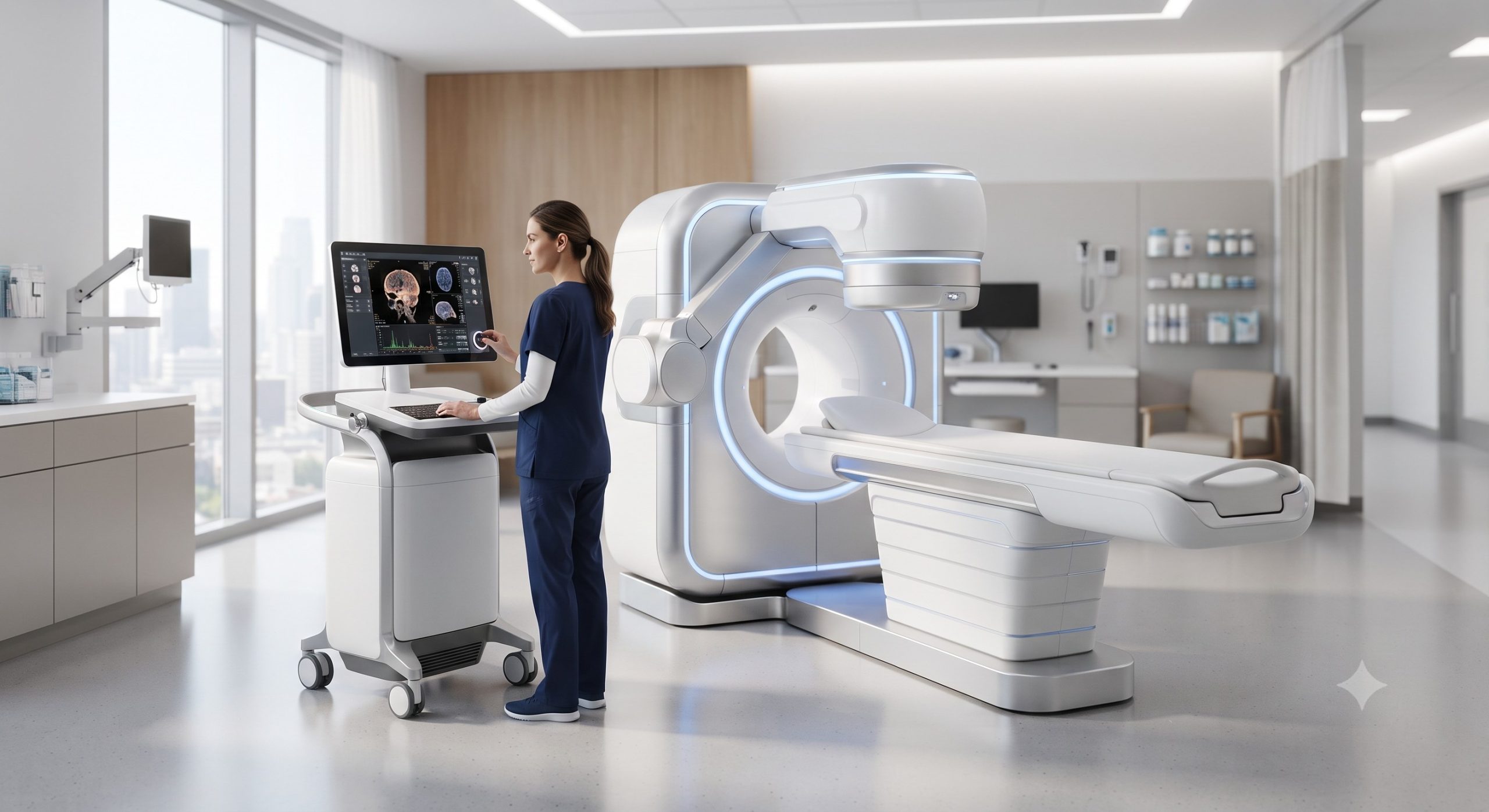
CLINICAL ARCHITECTURE & DESIGN
The Digital Traceability System Architecture is defined by its modular, scalable, and secure framework. The core design philosophy is based on the ‘Digital Twin’ concept, creating a virtual replica of each physical device, its key components, and its operational history. This permits a near-real-time status and performance overview, independent of the device’s physical location.
The architecture is logically segmented into three primary layers:
1. The Device Edge Layer: This is the hardware and firmware embedded within the medical aesthetic device. It incorporates a secure element for cryptographic identity, a suite of IoT sensors for monitoring performance metrics, a telemetry module for secure data transmission, and a local cache for operational resilience.
2. The Platform Layer: This constitutes the secure cloud-based infrastructure. It includes the data ingestion and processing engine, a persistent data store, an identity and access management (IAM) module, and the core analytics engine responsible for generating insights.
3. The Application Layer: This is the clinical-facing interface, delivered via a secure web portal and a companion mobile application. It provides functionalities for device registration, maintenance scheduling, treatment logging, and comprehensive reporting, ensuring clinical teams can interact with the system’s data effortlessly.
KEY INDICATIONS & CAPABILITIES
The Digital Traceability System Architecture is indicated for clinical environments that demand the highest levels of operational control, compliance, and patient care. Its core capabilities include:
– Lifecycle Traceability: Provides a tamper-proof audit trail for every major device component, from manufacturing serial numbers to installation dates and maintenance records, ensuring full compliance with MDR and FDA QSR requirements.
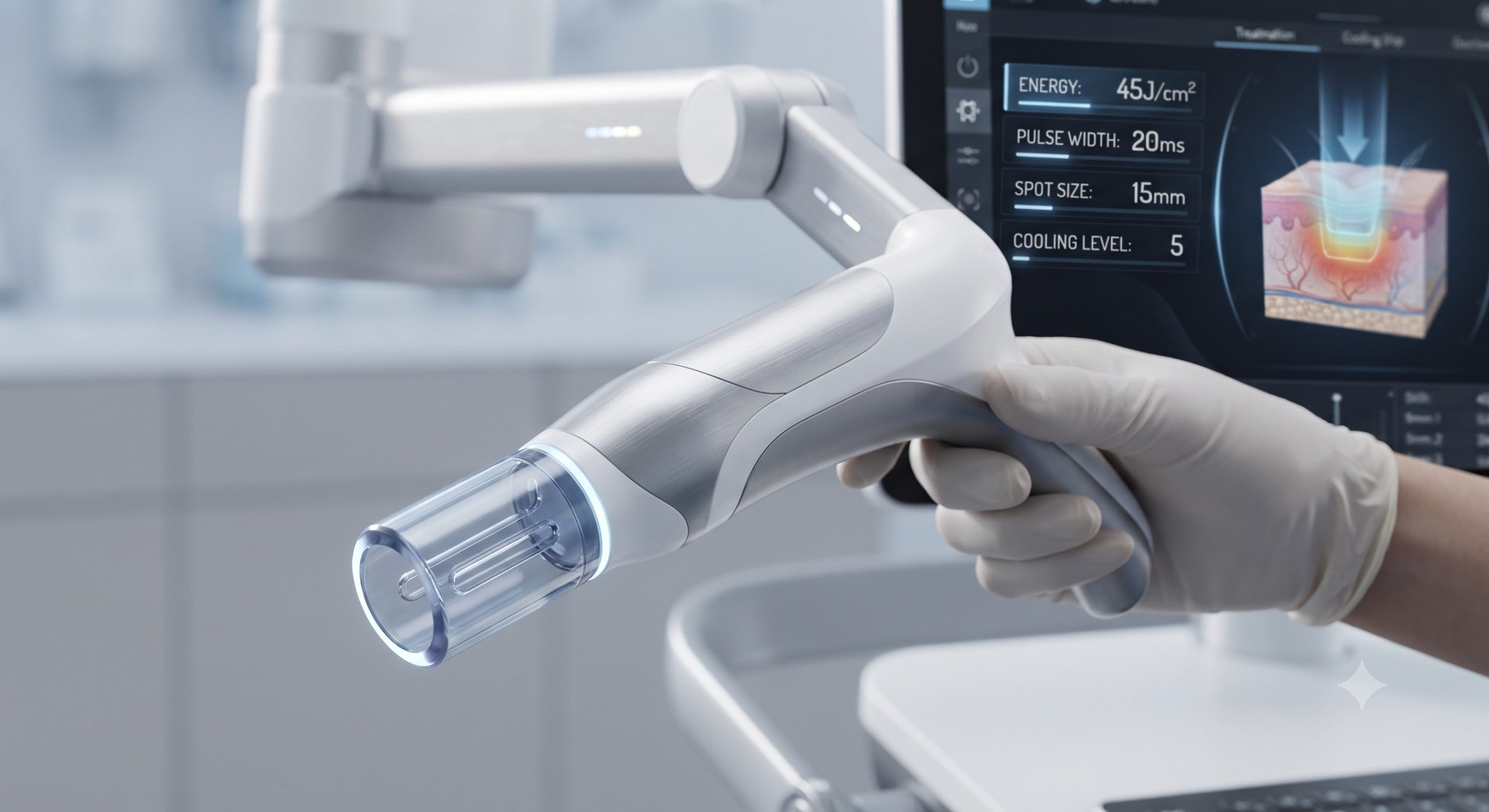
– Treatment Data Integrity: Securely captures and stores treatment parameters (fluence, pulse width, spot size) against patient records or anonymised aggregated data for clinical auditing and research.
– Predictive Maintenance & Calibration: Utilises real-time telemetry to predict component wear and proactively schedule maintenance, minimising clinical downtime and ensuring the device consistently operates within its specified performance parameters.
– Asset Utilisation & ROI Analytics: Provides detailed analytics on device usage patterns, treatment volumes, and resource allocation, enabling clinic administrators to make data-driven decisions about capacity, investment, and staff training.
– Secure Remote Diagnostics: Enables authorised service engineers to perform diagnostic checks and preliminary troubleshooting remotely, significantly reducing the need for physical site visits and expediting issue resolution.
COMPLIANCE & STANDARDS
The architecture has been meticulously designed to comply with the most stringent international standards and regulations. It is built to support the requirements of:
– Medical Device Regulation (MDR) (EU) 2017/745: The system provides the necessary technical documentation and audit trail to satisfy the requirements for post-market surveillance, vigilance, and traceability as mandated by the MDR.
– FDA 21 CFR Part 11: The electronic records and signatures within the platform are designed to be compliant with 21 CFR Part 11, ensuring the authenticity, integrity, and confidentiality of electronic records.
– ISO 27001: Information Security Management: The system is built on an infrastructure that adheres to the principles of ISO 27001, safeguarding patient and clinical data against security threats.
– ISO 13485: Medical Devices – Quality Management Systems: The development and maintenance processes of the system are fully aligned with the quality management standards of ISO 13485.
TECHNICAL SPECIFICATIONS
| Parameter | Specification |
|---|---|
| Architecture Model | Cloud-Native, Microservices-Based (Kubernetes) |
| Device Connectivity | Wi-Fi 6 (802.11ax) & Bluetooth 5.3 |
| Data Security | End-to-End Encryption (AES-256 & TLS 1.3) |
| Data Storage | HIPAA-Ready, Redundant Tier-4 Data Centres |
| Compliance Framework | MDR (EU) 2017/745, FDA 21 CFR Part 11, ISO 27001, ISO 13485 |
| Mobile App Compatibility | iOS 15+ & Android 11+ (Secure Enclave Support) |
| Analytics Engine | AI-Driven Predictive Modelling & Trend Analysis |
| API Integration | FHIR-Based RESTful APIs for EMR/EHR Systems |
CLINICAL PROTOCOLS
Integrating the Digital Traceability System into clinical workflows establishes best-practice protocols that enhance patient safety, staff efficiency, and overall clinic reputation.
1. Device Onboarding & Verification: Upon installation, the clinical team registers the device’s digital identity. Prior to each treatment session, the clinician must scan a unique machine-readable code on the handpiece to verify its authenticity and calibration status, ensuring only approved and certified components are used.
2. Treatment Logging & Data Capture: During the treatment, the system automatically logs the applied parameters. The clinician is then prompted to input the treatment outcome summary and any relevant patient notes via the application, creating a complete, auditable digital record of the intervention.
3. Proactive Maintenance Scheduling: The system automatically generates service reminders based on pulse counts, operational hours, and thermal cycling data. The clinical team receives in-app notifications to schedule preventive maintenance, preemptively addressing potential performance degradation.
4. Data-Driven Compliance Audits: The comprehensive data repository enables instantaneous reporting for regulatory or internal audits. Clinical managers can generate reports demonstrating device traceability, maintenance compliance, and treatment efficacy, providing definitive proof of adherence to clinical best practices and regulatory requirements.
📥 Download Technical Specification
Click the button below to view or download the full official PDF datasheet.