
Материал
Cleanliness Validation Report for Medical Machining – Official Clinical Overview & Technical Datasheet
EXECUTIVE SUMMARY
This document serves as the definitive clinical and technical datasheet for the Cleanliness Validation Report (CVR) protocol as applied to precision medical machining processes. The CVR framework establishes the rigorous standards and methodologies required to validate the cleanliness of machined components intended for use in Class II and Class III medical aesthetic devices. Adherence to this validation protocol ensures that all critical surfaces meet or exceed the particulate and biological contamination thresholds mandated by global regulatory bodies, directly influencing device safety, performance longevity, and patient outcomes.
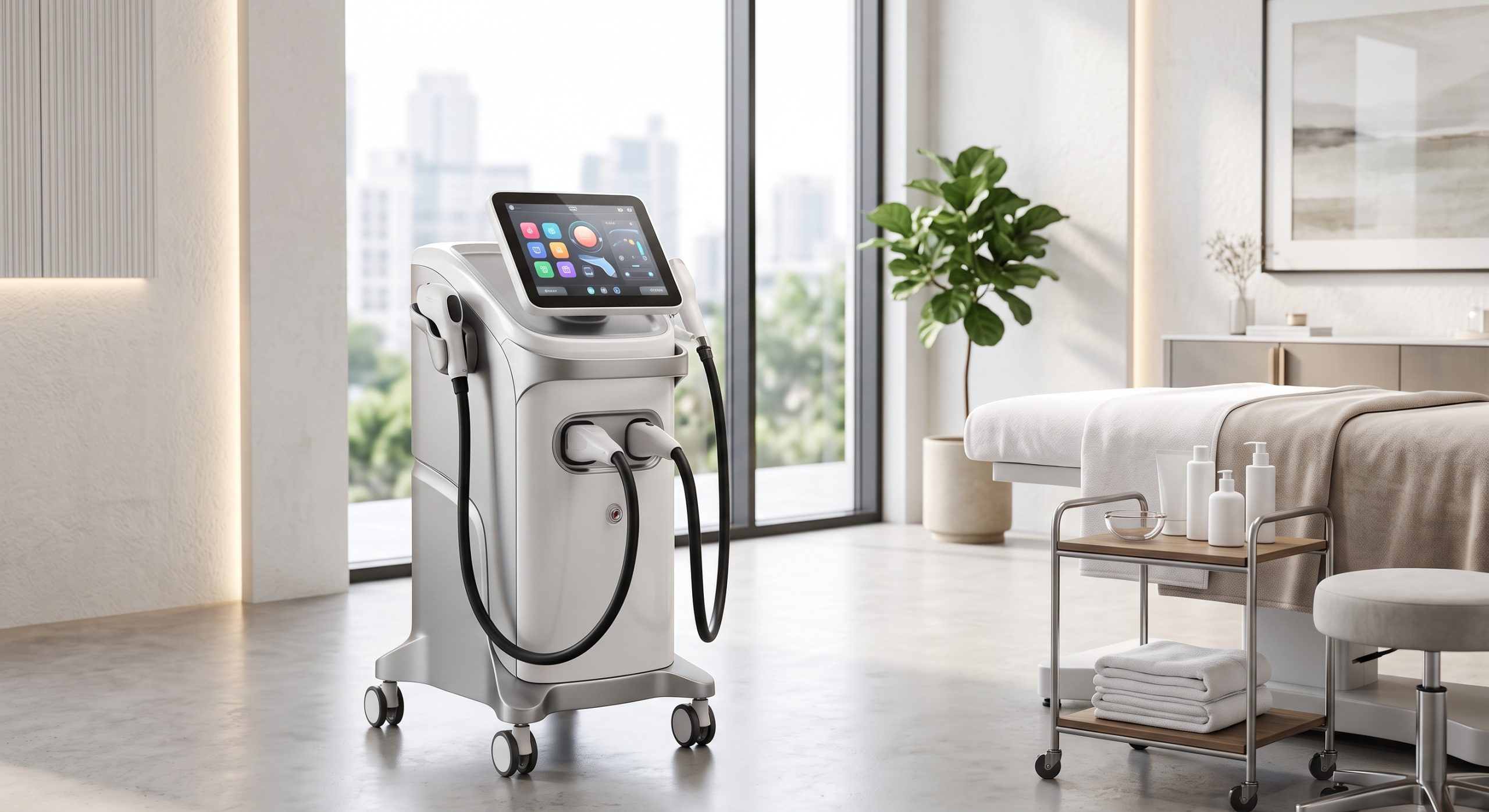
CLINICAL ARCHITECTURE & DESIGN
The clinical architecture of the cleanliness validation process is built upon a multi-tiered system designed to detect, quantify, and mitigate contamination at every stage of the manufacturing lifecycle. This architecture integrates advanced analytical techniques, including optical particle counting, surface energy analysis, and biological indicator testing. The design philosophy prioritizes non-destructive testing (NDT) methods to preserve the integrity of high-tolerance components, such as optical delivery handpieces and internal fluidic pathways. The validation protocol is structured to assess three primary contamination categories: particulate matter (≥5µm), residual machining fluids, and microbial bioburden. Each category requires specific extraction and analysis procedures, with defined acceptance criteria established through correlation with in-vivo and in-vitro cytotoxicity studies.
KEY INDICATIONS & CAPABILITIES
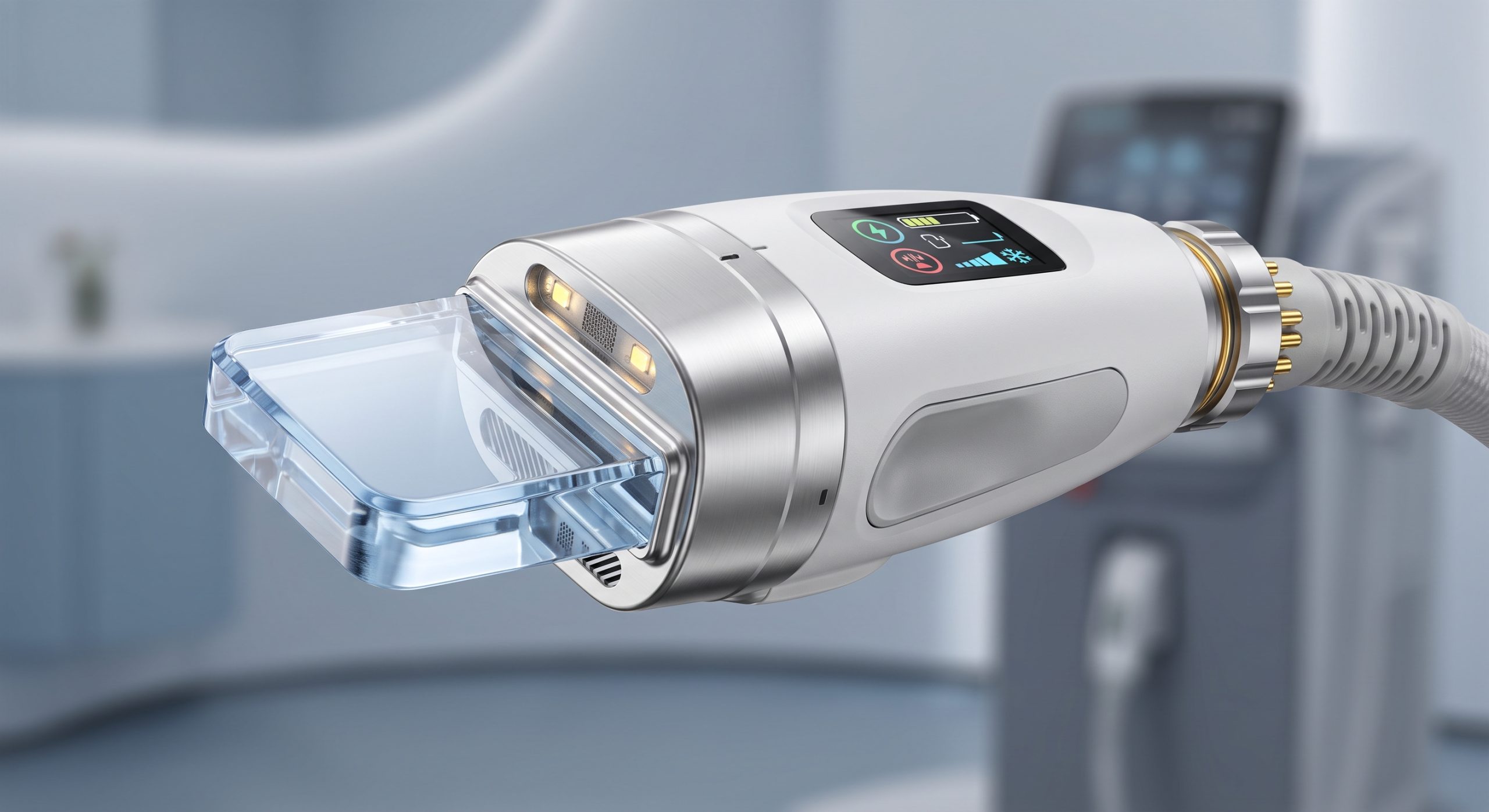
The Cleanliness Validation Report is indicated for all internally machined components that come into direct or indirect contact with the patient’s epidermis, ocular region, or internal tissue during aesthetic procedures. This encompasses, but is not limited to, handpiece nozzles, sapphire cooling tips, internal fluid conduits, and optical window housings. The capabilities of this validation framework extend to providing quantitative data on cleaning efficacy for a wide range of materials, including surgical-grade stainless steel, aluminum alloys, and medical-grade polymers. Furthermore, the CVR process demonstrates the capability to verify the efficacy of automated and manual cleaning cycles, supporting process validation and revalidation requirements under ISO 13485 and 21 CFR Part 820.
COMPLIANCE & STANDARDS
This validation report is designed to facilitate compliance with the most stringent international standards. The methodology aligns with the requirements of ISO 14937 for sterilization of healthcare products, ISO 10993-1 for biological evaluation of medical devices, and the cleanliness specifications outlined in ASTM F3127 for medical devices. The report provides the necessary documentation to support regulatory submissions to the FDA (US), the Medicines and Healthcare products Regulatory Agency (UK), and the Notified Bodies under the European Medical Device Regulation (MDR) 2017/745. It establishes a clear audit trail, detailing the sampling plan, test methods, acceptance criteria, and results analysis, thereby substantiating the manufacturer’s claim of producing ‘clean’ and ‘safe’ components for the medical aesthetic market.
TECHNICAL SPECIFICATIONS
The technical specification table below delineates the quantifiable metrics and operational parameters that define the acceptance criteria within the Cleanliness Validation Report framework. These values are derived from extensive risk assessments and statistical analyses of process capability and are critical for ensuring the consistent delivery of clinically safe devices.
| Parameter | Specification |
|---|---|
| Particulate Cleanliness (Critical Surfaces) | ≤ 10 particles per component >5µm (per ISO 14644-1) |
| Residual Hydrocarbon Limit | ≤ 0.5 mg/component (per FTIR analysis) |
| Biological Indicator (Bioburden) | ≤ 10 CFU per device (per ISO 11737-1) |
| Extractable Metal Ions | ≤ 1.0 ppm (per ICP-MS) |
| Water Quality for Final Rinse | ≤ 5 µS/cm Conductivity (Purified Water) |
CLINICAL PROTOCOLS
The clinical protocols employed for cleanliness validation are executed in a controlled laboratory environment by qualified personnel. The process initiates with a stringent sampling procedure, which involves the extraction of contaminants from critical surfaces using verified rinsing, immersion, or swabbing techniques. Subsequently, the extracted fluid undergoes analysis via a suite of instrumentation, including Light Obscuration Particle Counters for particle sizing and counting, Fourier-Transform Infrared Spectroscopy (FTIR) for residual oil identification, and Total Organic Carbon (TOC) analysis for organic soil quantification. For bioburden validation, membrane filtration and plate count methods are utilized. All protocols are performed in accordance with written Standard Operating Procedures (SOPs) that are subject to periodic review and revision based on industry best practices and emerging regulatory guidance.
📥 Download Technical Specification
Click the button below to view or download the full official PDF datasheet.