
Вопросы и ответы
Technical Support FAQ: Resolving Errors and Optimizing Output on SPC Machining
Overview
In the high-stakes world of B2B medical aesthetic device manufacturing, precision is non-negotiable. Statistical Process Control (SPC) is the gold standard for ensuring that every machined component meets stringent quality and safety requirements. This FAQ addresses the critical concerns of clinic owners and dermatologists regarding the manufacturing integrity, error resolution, and operational optimization of the machining cells that produce the devices you trust.
Frequently Asked Questions
Q1: Is SPC used in your machining cells for quality assurance?
Yes, SPC is the cornerstone of our quality assurance protocol in every machining cell. This real-time data-driven methodology monitors and controls manufacturing processes to ensure consistent, high-precision output, minimizing variability and defects critical for medical device safety.
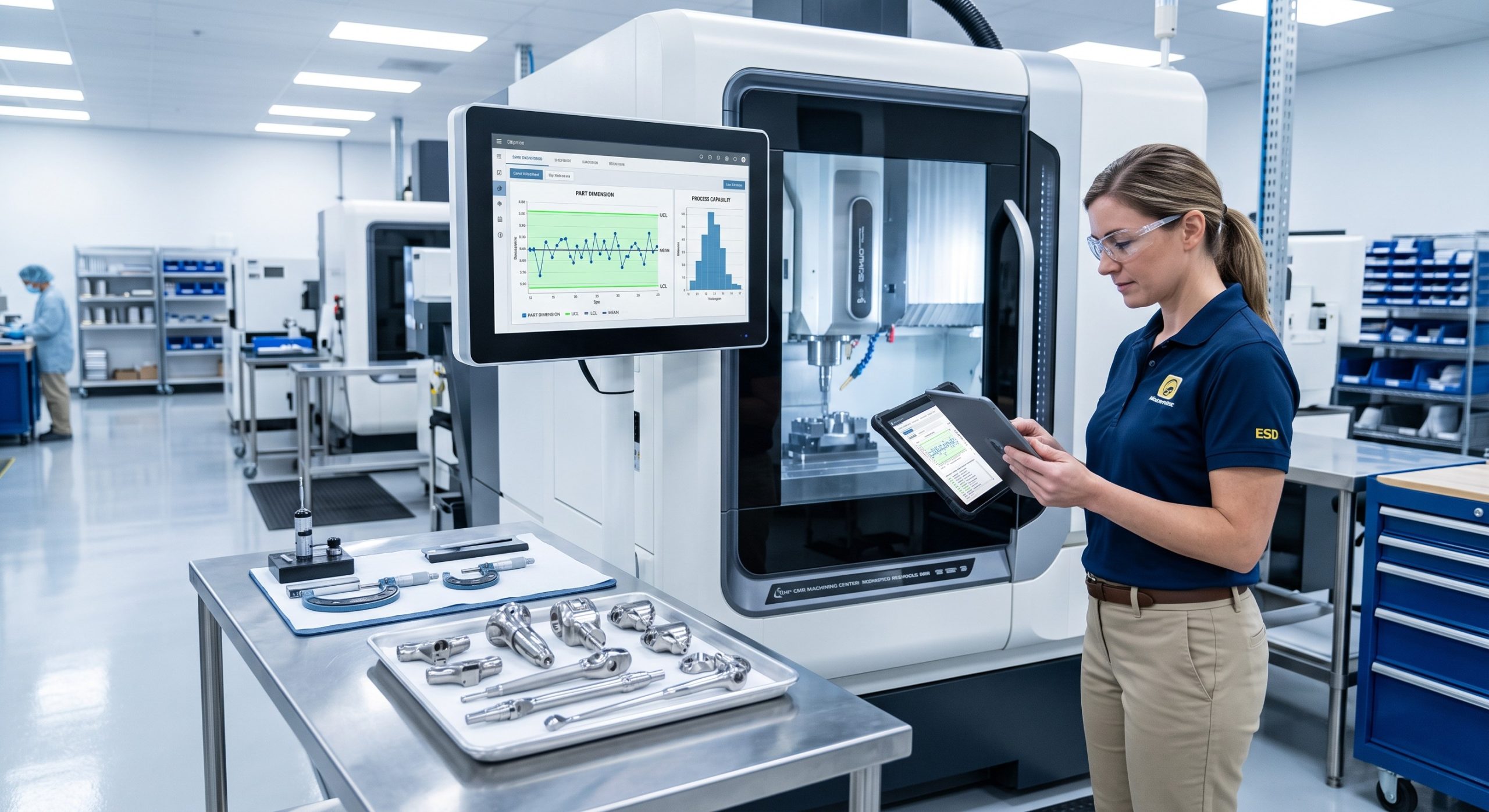
Our SPC implementation involves continuous monitoring of key process parameters such as dimensional tolerances, surface finish, and material hardness. By charting this data, we can detect and correct any process drift before it produces non-conforming parts, guaranteeing that each component meets the strictest FDA and CE regulatory requirements for aesthetic laser and energy-based devices.
Q2: What types of errors can SPC in the machining cell detect and prevent?
SPC is designed to detect two primary categories of errors: common cause (inherent process variation) and special cause (unexpected shifts) errors. This proactive approach prevents the production of defective parts and extends the lifespan of the machining tools themselves.
Our SPC system continuously analyzes data to flag deviations such as tool wear, material inconsistencies, thermal expansion effects, and vibration anomalies. By identifying these issues early, we can schedule preventative maintenance, adjust process parameters, or replace tools, ensuring zero defective parts reach the final assembly of your high-precision aesthetic devices.
Q3: What is the role of a machinist in an SPC-controlled environment?
In an SPC-driven cell, the machinist transforms from a manual operator into a data-savvy technician. Their primary role shifts from simply running the machine to analyzing control charts and responding to process signals to maintain optimal output quality.
Our machinists are extensively trained to interpret SPC data, perform routine calibrations, and implement corrective actions when a process shows signs of instability. They are the human element that ensures the statistical models are correctly applied, making them critical to maintaining the high-precision manufacturing standards our B2B clients expect.
Q4: How does SPC maintenance optimize the performance of the machining cell?
SPC maintenance is a predictive, data-driven strategy that optimizes performance by ensuring tooling and equipment are serviced based on their actual condition rather than a fixed schedule. This minimizes unplanned downtime and maximizes the cell’s overall equipment effectiveness (OEE).
By analyzing SPC trend lines, we can predict when a tool is nearing the end of its useful life and schedule a replacement during a planned downtime window. This approach not only prevents costly catastrophic failures but also ensures that every component is machined with a sharp, well-maintained tool, resulting in superior finish and accuracy for your medical devices.
Q5: What are the key process parameters monitored by your SPC system?
Our SPC system meticulously monitors a comprehensive range of critical parameters to guarantee consistency. These include spindle speed, feed rate, cutting depth, tool wear, coolant flow and temperature, and most importantly, final part dimensional accuracy.
Each of these parameters is charted in real-time against established upper and lower control limits. If any parameter trends towards a limit, our system alerts the machinist to investigate and intervene, ensuring every component, from the cooling pump housing to the laser handpiece connector, is machined to exacting specifications.
Q6: How does SPC contribute to the longevity and safety of your medical aesthetic devices?
SPC directly contributes to device longevity and safety by ensuring the consistent manufacture of components with flawless precision. This precision minimizes mechanical stress, reduces points of failure, and ensures the device functions as intended for its entire operational life.
For example, the precise machining of water circuit channels ensures optimal cooling, preventing device overheating and prolonging the life of critical optical components. Similarly, the consistent dimensions of the handpiece and its connectors ensure reliable energy delivery and patient safety, making SPC a fundamental pillar of our quality commitment to aesthetic clinics.
Q7: How do you handle SPC data to ensure high-quality machining output?
SPC data is not just collected; it is rigorously analyzed using advanced software to provide actionable intelligence. Our process involves real-time data recording, statistical analysis (like X-bar and R charts), and root cause analysis for any deviations to drive continuous improvement.
This data is also stored for traceability, allowing us to provide detailed quality reports to our B2B partners. This comprehensive approach to data management ensures that our machining cells are not just producing parts, but are continuously evolving to deliver higher precision, better efficiency, and unyielding quality for all components used in your aesthetic devices.
Q8: What are the benefits of implementing SPC in a machining cell for medical devices?
The primary benefit of implementing SPC is the significant reduction of variability, leading to a dramatic decrease in scrap and rework rates. This results in higher throughput, lower production costs, and, most importantly, a superior, more reliable product for the end-user.
For our B2B clients, this translates directly to higher ROI. They receive high-quality components on time, with fewer field failures and warranty claims. SPC provides the confidence that every machined part is a high-precision asset, thereby enhancing the reputation of both our manufacturing and your aesthetic clinic’s brand.