
Вопросы и ответы
B2B Buyer’s Guide: Warranty, Training, and Shipping FAQ for serialized traveler documentation
Overview
Serialized traveler documentation refers to the uniquely identified, device-specific records that accompany a medical aesthetic system through manufacturing, shipping, installation, warranty, and service. For B2B clinic buyers, these documents are not administrative extras; they are the backbone of compliance, traceability, and post-sales support. This FAQ answers the highest-intent procurement and ownership questions from clinic owners, dermatologists, and med spa operators.
Frequently Asked Questions
Q1: What are serialized traveler documentation and how do they work?
Serialized traveler documentation are device-specific records tied to a unique serial number that track a medical aesthetic machine from production through delivery, installation, warranty, and service history. They work by linking each handpiece, console, and major component to a verified identity, so clinics can confirm authenticity, access warranty coverage, order correct consumables, and meet regulatory audits without ambiguity. In practice, the serial number on the chassis and handpiece should match the documentation package, and any service event should update that same record.
Q2: What documents should be included in a serialized traveler package for an aesthetic device?
A complete serialized traveler package should include the device serial number record, CE or FDA compliance certificates, ISO 13485 quality documentation, warranty registration, installation and training sign-off, and a service log. It should also contain handpiece identification, consumable compatibility details, and shipping or customs documentation where applicable. Clinics should verify that the serial number on the physical unit matches every document before signing acceptance.
Q3: How does serialized traveler documentation support warranty and post-sales claims?
Serialized traveler documentation supports warranty claims by proving the device identity, purchase date, installation date, and service history in one traceable record. Without it, manufacturers may reject claims because the unit cannot be verified as authentic or within the warranty period. For clinics, this means faster RMA processing, correct replacement parts, and fewer disputes over coverage.
Q4: Why is serialized traveler documentation important for medical CE, FDA, and ISO 13485 compliance?
Serialized traveler documentation is important for compliance because regulators and auditors require traceability of medical devices from manufacture to end use. Medical CE, FDA, and ISO 13485 frameworks expect unique device identification, complaint handling, and service records that can be retrieved by serial number. A clinic that maintains these records is better prepared for inspections, adverse event reporting, and insurance or accreditation reviews.
Q5: How do serialized traveler documents affect shipping, customs, and installation timelines?
Serialized traveler documents affect shipping and customs by providing the exact device identity, value, and compliance certificates needed for clearance. Missing or mismatched serial numbers can delay customs, block installation, and postpone revenue-generating treatments. The fastest deployments occur when the clinic receives digital copies before shipment and confirms physical serial matches at delivery.
Q6: What training and handover steps should be documented in the serialized traveler record?
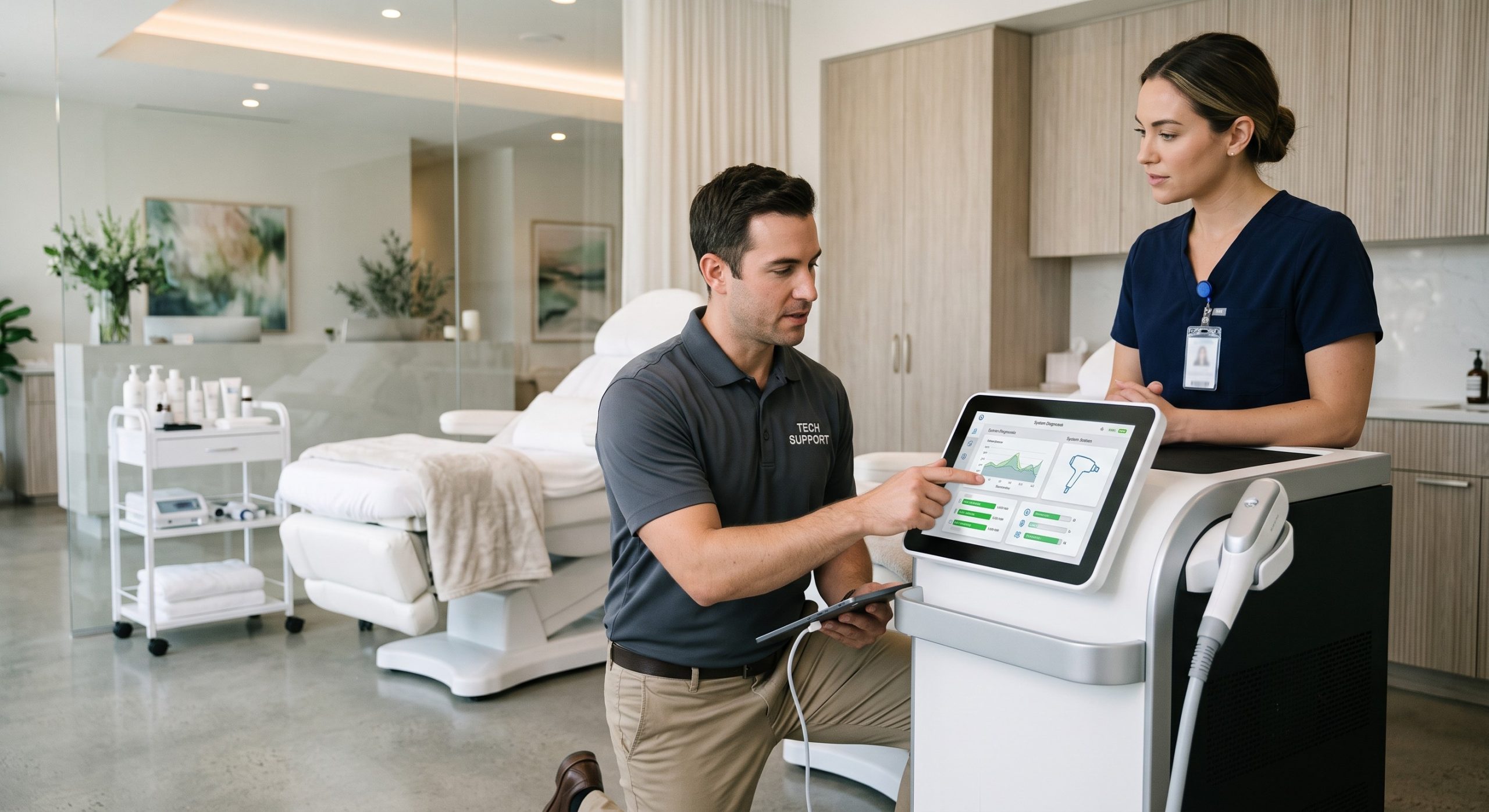
Training and handover should be documented with operator names, training date, protocol sign-off, and serial-specific parameter settings. This record proves that the clinic was properly trained and that the device was installed and configured correctly. It also creates a reference point for future troubleshooting and refresher training.
Q7: How should clinics store and update serialized traveler documentation over time?
Clinics should store serialized traveler documentation digitally and in a secure physical binder, with backups tied to the device serial number. Every service event, handpiece replacement, software update, and consumable change should be logged against that same record. This practice protects resale value, simplifies audits, and speeds up technical support.
Q8: What are the most common mistakes clinics make with serialized traveler documentation?
The most common mistakes are failing to verify serial number matches at delivery, losing compliance certificates, and not updating service logs after repairs. Other errors include mixing documentation between devices and assuming the distributor will retain records indefinitely. Clinics should treat serialized traveler documentation as a living asset record, not a one-time paperwork bundle.