
Блог
The Ultimate Clinic Guide to Importer Rules for Custom Labeling and Pack-out: Efficacy, Compliance, and ROI
2026年9月1日
Introduction: The Overlooked Regulatory Hurdle in Medical Aesthetic Device Procurement
For clinic owners and medical spa directors, the journey of acquiring a high-performance aesthetic laser—such as a diode laser system operating at 755nm, 808nm, or 1064nm—rarely ends with the purchase order. A critical, often underestimated phase is the importer rules for custom labeling and pack-out requirements, which dictate how these Class II/III medical devices are legally transported, labeled, and prepared for clinical use within a new territory. Non-compliance with these rules is not a minor administrative error; it is a regulatory risk that can result in customs holds, significant financial penalties, and the complete rejection of a device shipment, delaying your clinic’s ability to launch revenue-generating services. This comprehensive guide dissects the technical intricacies of importing aesthetic devices, ensuring your investment is protected from the port to the procedure room.
Decoding Importer Responsibilities: The Regulatory Framework (FDA & Medical CE)
Understanding the distinction between a manufacturer and an importer is the foundation of compliance. Under regulations like the FDA’s 21 CFR Part 820 (Quality System Regulation) and the European Medical Device Regulation (MDR) for Medical CE marking, the importer is legally responsible for ensuring that the device meets specific FDA clearance or CE requirements prior to distribution. This includes verifying that the device is not adulterated or misbranded. For a diode laser with an output energy density (Fluence) of 10-40 J/cm² and pulse widths ranging from 5-400ms, the labeling must accurately reflect these clinical metrics alongside the intended indications. The importer must ensure that the custom labeling—including manuals, safety warnings, and device serial numbers—is accurate and compliant with local language requirements. Failure to conduct this due diligence can lead to a device being classified as misbranded, which carries severe penalties and mandatory corrective actions.
Key Importer Obligations
- Device Registration & Listing: Ensuring the device is correctly listed with the FDA or notified body under the importer’s establishment registration.
- Labeling Verification: Confirming that the custom labeling meets the requirements of the target market, including language, symbols, and content as per ISO 15223-1.
- Post-Market Vigilance: Maintaining records of complaints, adverse events, and device tracking, essential for a robust ISO 13485 quality management system.
The Anatomy of Custom Labeling: Technical Metrics and Safety Data
Custom labeling is more than just translating text; it is a complex process of medical data translation and format adaptation. For a high-intensity laser device, the labeling must provide precise clinical information to ensure safe operation. This includes clearly displaying the device’s technical specifications, such as the spot size (e.g., 12x12mm up to 20x20mm), the maximum fluence (energy density in J/cm²), and the pulse duration parameters. The packaging, or pack-out, must be engineered to protect the sensitive optical components, including the imported laser bars and the internal Sapphire ICE cooling systems, from shock and vibration during transit. The importer must verify that the custom packaging includes appropriate sterilization indicators (if applicable) and maintains the integrity of the device’s environmental sensors. This meticulous attention to detail directly contributes to the treatment efficacy of the device upon its first clinical use, ensuring that the 808nm wavelength power output remains consistent and within the specified ±5% tolerance.
| Key Parameter | Technical Specification |
|---|---|
| Wavelength / Laser Type | 755nm, 808nm, 1064nm Diode |
| Energy Density / Fluence | 10-40 J/cm² (Adjustable) |
| Spot Size | 12x12mm to 20x20mm |
| Cooling System | Sapphire Contact Cooling (TEC) |
| Pulse Width | 5-400ms |
| Regulatory Compliance | Medical CE, FDA Clearance, ISO 13485 |
Pack-out and Logistics: Protecting High-Value Assets
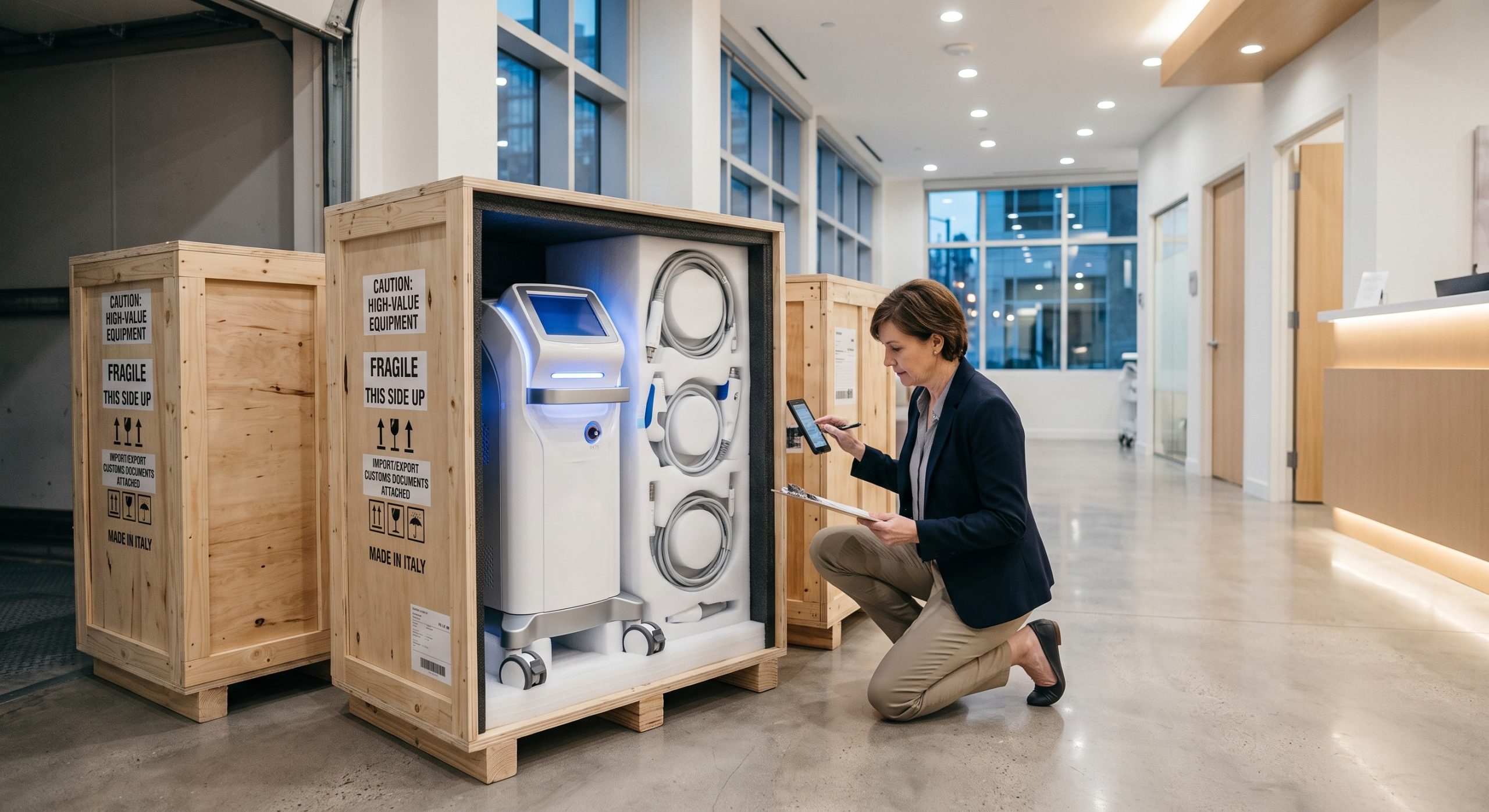
The ‘pack-out’ phase covers the physical packaging and logistics of the shipment. This is a high-stakes process, as the cost of replacing a damaged imported laser bar can significantly impact the Clinic ROI. The importer rules often dictate the use of specific packaging materials that meet environmental and durability standards. For a multi-modality system, the pack-out must consider the weight and center of gravity of the device, ensuring it remains stable under the stress of freight transportation. The packaging must also be clearly labeled with handling instructions, including ‘Keep Dry’, ‘Temperature Controlled’, and ‘Fragile’ symbols. Furthermore, all documentation, including the certificate of conformity and the FDA clearance letter, must be included in a visible, easily accessible pouch to expedite customs clearance. Clinics must work with importers who have established protocols for verifying the integrity of the sapphire contact cooling windows and optical alignment upon arrival, preventing the costly delays associated with equipment failure before the device is even installed.
Navigating Customs and Border Protection (CBP) Protocols
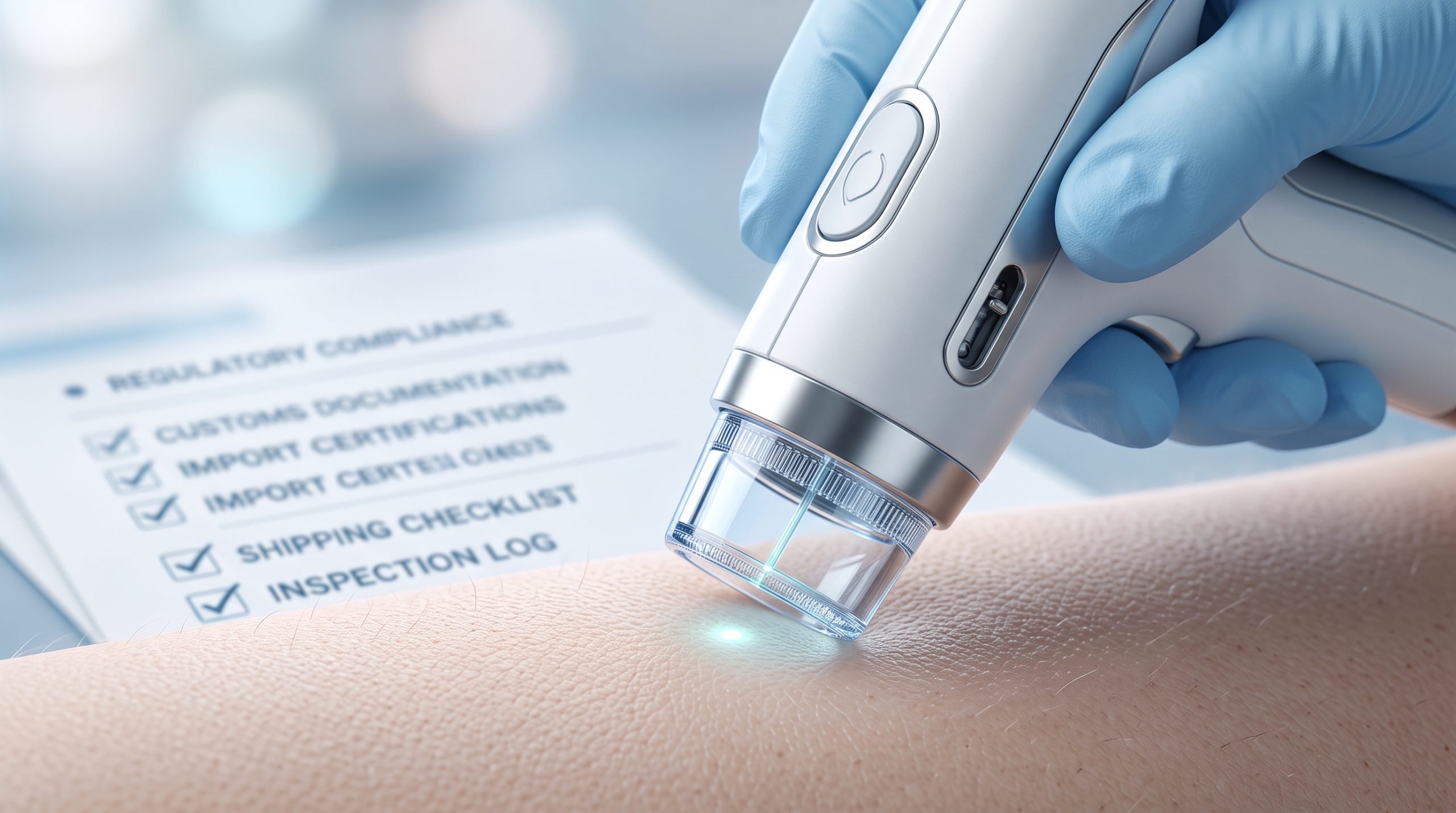
Adhering to importer rules is also essential for seamless Customs and Border Protection (CBP) clearance. CBP officers will scrutinize the custom labeling to ensure the country of origin, manufacturer details, and device classification (e.g., HTSUS code) are correctly declared. Inaccuracies in the value or description of the medical device can lead to audits and financial penalties. For a clinic, this means understanding the tariff classification of the laser system and its accessories. For example, the main console, handpieces, and disposable items each have distinct HTS codes. A professional importer will manage the entry filing, utilizing a customs bond to guarantee the payment of duties and fees. They will also manage the clearance of any specific permits required for radiological health devices, ensuring the device is compliant with local health and safety regulations before it is released from the port. This process protects the clinic from being held liable for import violations and ensures the device is available for use according to the planned service launch timeline.
Conclusion: Strategic Partnership for Regulatory Success
Mastering importer rules for custom labeling and pack-out is not merely a compliance obligation; it is a strategic business imperative that protects your capital investment and ensures clinical continuity. By partnering with a vendor or logistics provider that possesses deep expertise in medical device regulations, you minimize financial risk and accelerate time-to-market for your new services. A device that is properly labeled and packaged, such as a high-power 1064nm laser for deep hair removal, is guaranteed to deliver the expected treatment efficacy and patient safety from day one. For the discerning clinic owner, understanding these rules is the ultimate safeguard against operational delays, unexpected costs, and reputational damage. Prioritizing regulatory due diligence in the procurement process solidifies your clinic’s position as a leader in safe, effective, and profitable aesthetic medicine.