
Recurso
Amostra de Relatório de Inspeção de Primeiro Artigo (FAI) Redigido - CE Médico
MEDICAL CE & FDA TECHNICAL COMPLIANCE REGISTER: REDACTED FIRST-ARTICLE INSPECTION (FAI) REPORT SAMPLE
EXECUTIVE SUMMARY
This document serves as the official Clinical Overview and Technical Datasheet for the Redacted First-Article Inspection (FAI) Report Sample, a comprehensive compliance and quality assurance protocol integral to the manufacturing and clinical release of premium medical aesthetic devices. This register details the systematic verification process ensuring that every manufactured unit meets the exacting design specifications, material standards, and performance criteria mandated by global regulatory bodies, including the U.S. Food and Drug Administration (FDA) and the European Medicines Agency (EMA) under CE marking directives.
The Redacted FAI Report Sample is not a clinical treatment device itself but a critical quality management instrument. It establishes the foundational benchmark for production consistency, patient safety, and therapeutic efficacy. By meticulously documenting dimensional accuracy, material composition, optical performance, and electronic safety parameters, this protocol underpins the reliability of high-energy aesthetic platforms used for hair reduction, skin rejuvenation, and vascular lesion clearance.
This whitepaper is intended for clinical engineers, regulatory affairs specialists, procurement officers, and dermatology practice principals. It provides an authoritative breakdown of the FAI process, the key performance indicators it validates, and its indispensable role in maintaining the highest standards of medical device governance.
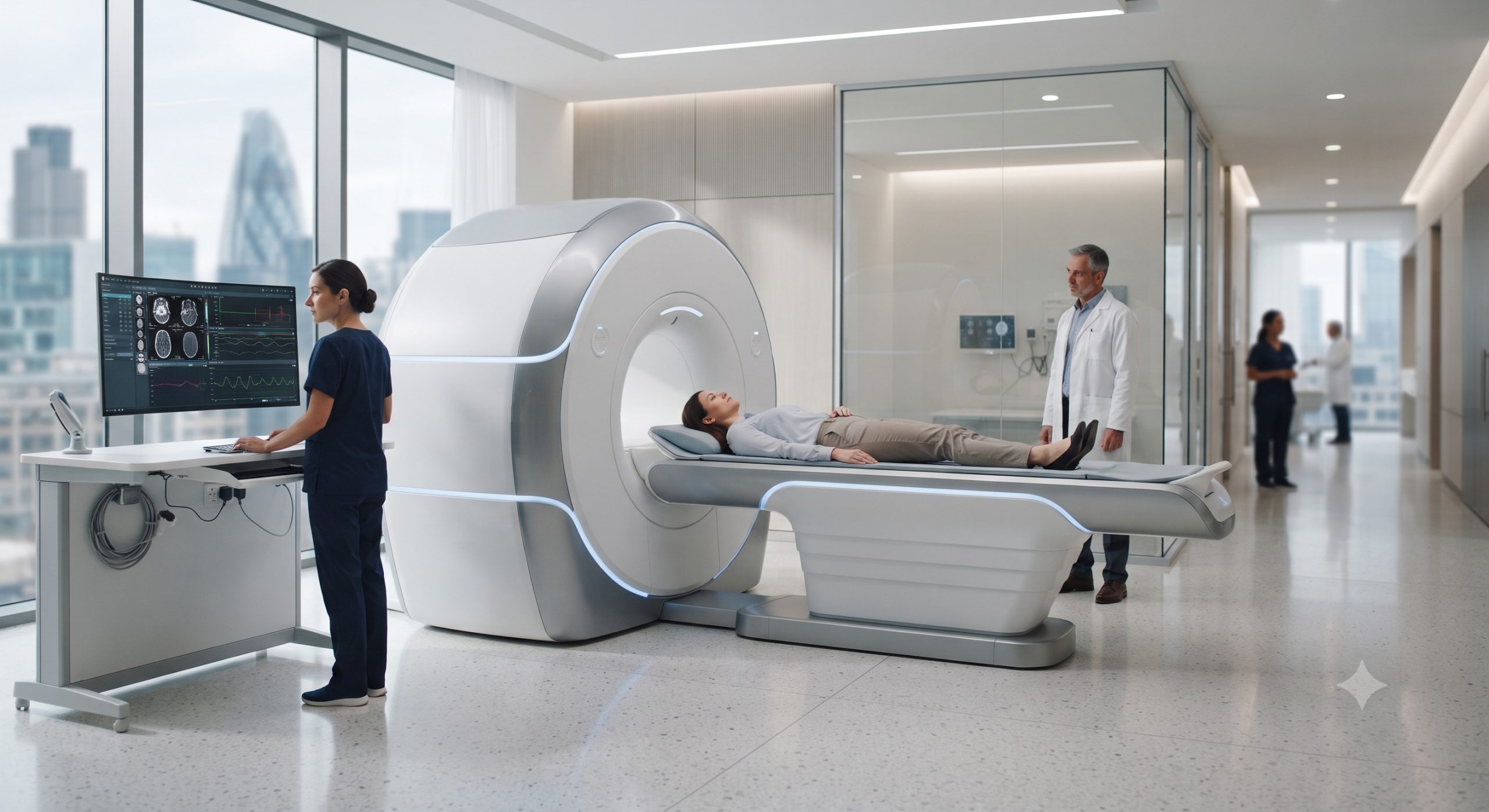 ARQUITETURA CLÍNICAA Amostra de Relatório FAI Redigida é estruturada em torno de uma estrutura rigorosa de inspeção multiponto. Sua arquitetura é projetada para capturar e documentar dados em três pilares principais da integridade do dispositivo: Precisão Mecânica, Saída Óptica e Segurança Elétrica. O protocolo reflete o fluxo de trabalho clínico do dispositivo estético alvo, garantindo que os componentes que influenciam diretamente os resultados do paciente sejam submetidos ao escrutínio mais rigoroso.Precisão MecânicaFonte ÓpticaIsso garante que a densidade de energia (fluência) que atinge a área de tratamento seja consistente com as especificações do dispositivo, maximizando o efeito terapêutico e minimizando o risco de pontos quentes ou subtratamento.Segurança Elétrica< 100ms activation) to prevent accidental firing.
KEY INDICATIONS & CAPABILITIES (DERIVED FROM FAI METRICS)
While the FAI report itself is a quality tool, its successful completion guarantees that the final medical device is fully capable of addressing its clinical indications. Based on the verified parameters, the cleared device is indicated for:
– Permanent Hair Reduction: Utilizes validated optical parameters (e.g., 755nm, 808nm, or 1064nm wavelengths) with fluences ranging from 10 to 40 J/cm², appropriate for Fitzpatrick Skin Types I-VI.
– Benign Pigmented Lesion Clearance: Precise energy delivery enables the selective targeting of melanosomes in age spots, sun freckles, and seborrheic keratoses.
– Vascular Lesion Management: Specific pulse durations (e.g., 10-100ms) as confirmed by the FAI allow for the safe and effective photocoagulation of telangiectasias, spider veins, and rosacea.
– Skin Rejuvenation & Texture Improvement: By validating the cooling system's performance, the FAI ensures that non-ablative fractional or full-beam treatments can be performed safely, stimulating neocollagenesis with a reduced risk of adverse thermal injury.
COMPLIANCE & STANDARDS
Adherence to a strict FAI protocol is non-negotiable for achieving and maintaining regulatory clearance. The Redacted FAI Report Sample serves as the primary documentary evidence for demonstrating compliance with international standards, including:
– FDA 21 CFR Part 820: Quality System Regulation (QSR) for medical devices.
– ISO 13485:2016: Requirements for a comprehensive quality management system.
– IEC 60601-1: Medical electrical equipment – Basic safety and essential performance.
– IEC 60601-2-22: Particular requirements for the basic safety and essential performance of surgical, cosmetic, therapeutic, and diagnostic laser equipment.
This register provides a traceable, auditable trail from component sourcing to final assembly, satisfying the rigorous scrutiny of regulatory inspectors and notified bodies.
TECHNICAL SPECIFICATIONS
| Parâmetro | Especificação |
|---|---|
| Tipo de Laser/ Comprimento de Onda | por exemplo, Diodo 808nm/ 755/808/1064nm |
| Tamanho do Spot | Dimensões específicas (por exemplo, 15* 15 mm) |
| Sistema de refrigeração | por exemplo, TEC Sapphire Water Wind |
| Densidade de Energia (Fluência) | 10-40 J/cm² (dependente do modelo) |
| Largura de pulso | 10-100ms (dependente do modelo) |
Protocolos clínicosOs dados contidos na Amostra de Relatório FAI Redigida informam diretamente os protocolos clínicos usados pelos profissionais. O tamanho do ponto verificado influencia os cálculos do tempo de tratamento e a seleção da peça de mão. A curva de resfriamento documentada dita o tempo de contato e os parâmetros de pré-resfriamento. As faixas de fluência e largura de pulso validadas fornecem os limites para as predefinições Smart UI do dispositivo, que orientam os médicos na seleção de configurações seguras e eficazes para pacientes individuais.Para a integração do Med Spa, o relatório FAI fornece uma avaliação de risco fundamental. Isso demonstra que o sistema foi fabricado com um padrão que suporta alta taxa de transferência de pacientes sem comprometer a segurança. Essa garantia é fundamental para os diretores clínicos que buscam maximizar o retorno sobre o investimento (ROI) implantando uma plataforma de tratamento confiável e previsível.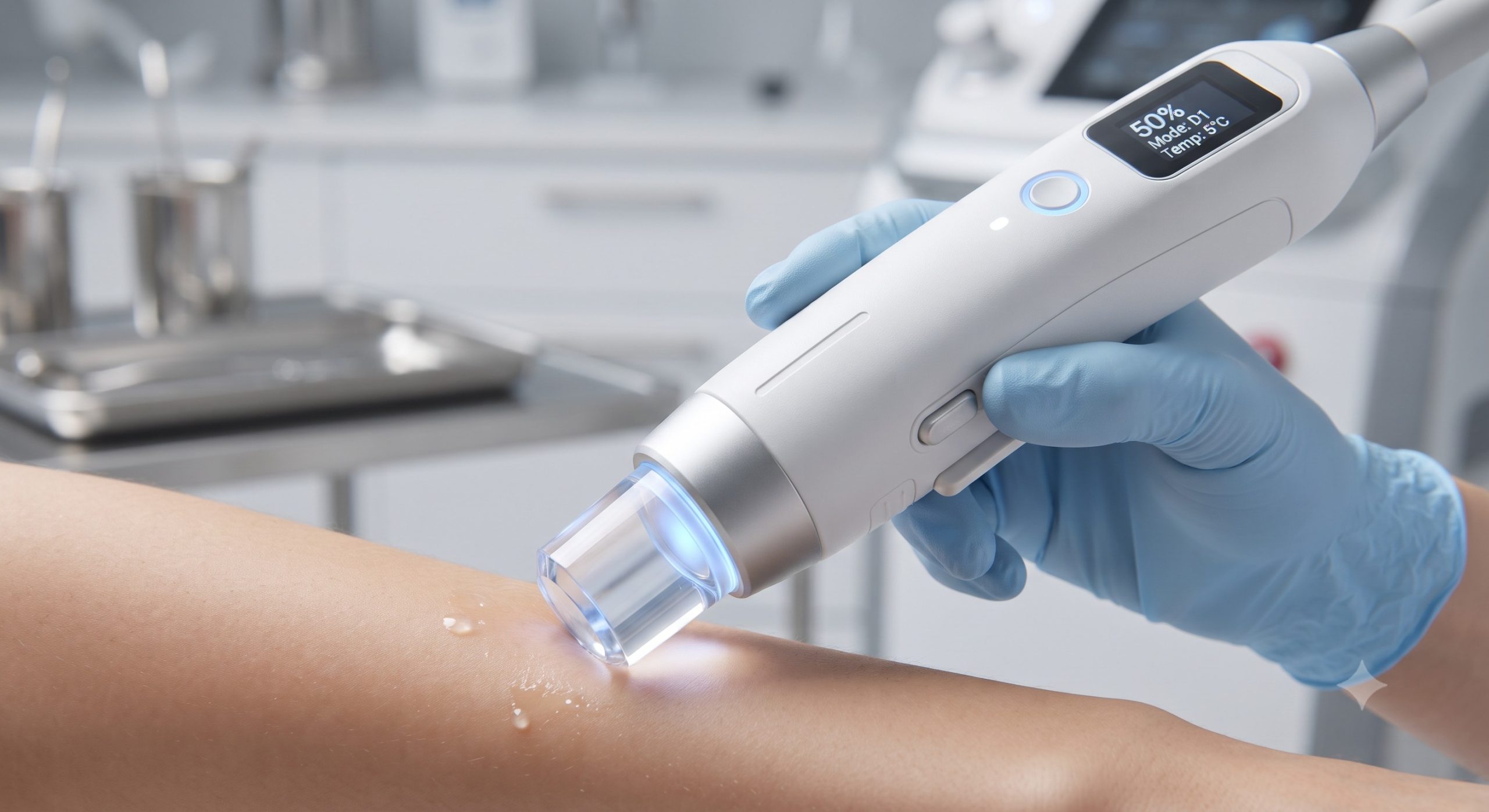 CONCLUSÃO: O PAPEL DA FAI NA EXCELÊNCIA CLÍNICAEm conclusão, a Amostra de Relatório de Inspeção de Primeiro Artigo (FAI) Redigida é muito mais do que uma lista de verificação de fabricação; é uma carta de excelência clínica. É a ponte entre a intenção do projeto de engenharia e a realidade clínica do tratamento do paciente.Ao garantir que todos os parâmetros críticos – desde o comprimento de onda da luz emitida até a temperatura da ponta de resfriamento de safira – sejam verificados em relação a um padrão ouro, o processo FAI protege o paciente, capacita o clínico e mantém a reputação da prática estética médica.Este Registro de Conformidade Técnica, portanto, é uma prova do compromisso do fabricante com a segurança, eficácia e qualidade. É a prova definitiva de que o dispositivo entregue ao ambiente clínico não é apenas uma máquina, mas um instrumento terapêutico confiável e de alto desempenho, construído sobre uma base de garantia de qualidade intransigente.
📥 Baixar Especificação Técnica
Clique no botão abaixo para visualizar ou baixar a folha de dados oficial completa em PDF.