
자료
Medical CE & FDA Technical Compliance Register: Electrostatic Discharge (ESD) Control Plan for Final Assembly
CLINICAL SAFETY POSITIONING
The Electrostatic Discharge (ESD) Control Plan for Final Assembly establishes a mandatory, auditable framework to protect static-sensitive medical aesthetic devices during the final build phase. Because modern aesthetic platforms integrate high-density printed circuit boards, precision optical drivers, and sensitive handpiece sensors, uncontrolled electrostatic discharge can induce latent defects, parametric drift, or catastrophic failure. This plan aligns with ANSI/ESDA/JEDEC JS-001 and IEC 61340-5-1 requirements, embedding ESD mitigation directly into the final assembly workflow. The objective is to preserve device reliability, ensure patient safety, and maintain uninterrupted compliance with medical CE and FDA 21 CFR Part 820 expectations.
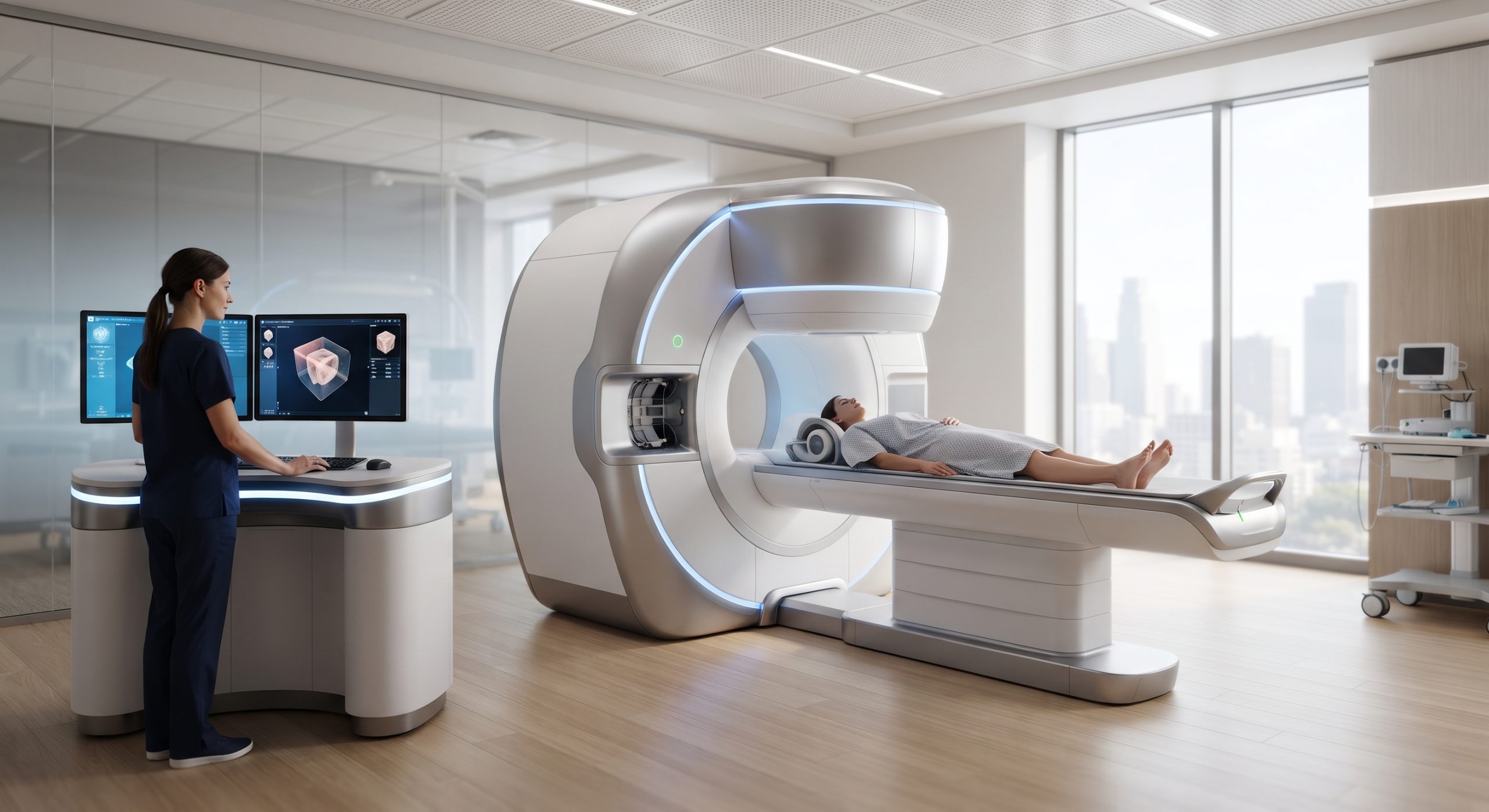
TEMPERATURE MONITORING CAPABILITIES
Final assembly areas are designated as ESD Protected Areas (EPAs) with continuous environmental monitoring. Relative humidity is maintained at 30–60% RH and temperature at 18–26°C to minimize triboelectric charge generation. Grounding continuity is verified daily for all workstations, conveyors, and test fixtures, with resistance-to-ground maintained below 1 ohm. Ionized air blowers neutralize static on non-conductive housings and optical windows that cannot be directly grounded. Real-time field meters and continuous monitors provide immediate alerts if charge levels exceed ±35 V on sensitive assemblies.
PREMIUM COMPONENT ASSEMBLY
All final assembly operators complete certified ESD training covering handling procedures, grounding protocols, and device sensitivity classifications. Wrist straps are tested at the start of every shift, and heel grounders or ESD-safe footwear are mandatory. Components are stored and transported only in shielded dissipative containers; all work-in-progress travels in ESD-safe totes. Assembly benches use dissipative mats and grounded tooling, while soldering and rework stations employ ESD-safe irons with tip-to-ground resistance verified per IPC-A-610. Handpiece subassemblies, laser diode drivers, and control boards are classified per HBM and CDM sensitivity and handled only within the EPA.
DETAILED PARAMETERS
DETAILED PARAMETERS
Parameter | Specification
EPA Class | ANSI/ESD S20.20 compliant, IEC 61340-5-1 verified
Wrist Strap Resistance | 0.75–35 MΩ (tested daily)
Workstation Ground | < 1 Ω resistance to earth ground
Ionization Balance | ±35 V offset, decay < 2 s per ANSI/ESD STM3.1
Humidity Control | 30–60% RH, monitored continuously
Temperature Range | 18–26 °C (64–79 °F)
Packaging | Dissipative/shielded, surface resistance 10^3–10^6 Ω
Personnel Certification | Annual ESD training and competency audit
Audit Frequency | Daily verification, quarterly internal audit
| Parameter | Specification |
|---|---|
| EPA Class | ANSI/ESD S20.20 compliant, IEC 61340-5-1 verified |
| Wrist Strap Resistance | 0.75–35 MΩ (tested daily) |
| Workstation Ground | < 1 Ω resistance to earth ground |
| Ionization Balance | ±35 V offset, decay < 2 s per ANSI/ESD STM3.1 |
| Humidity Control | 30–60% RH, monitored continuously |
| Temperature Range | 18–26 °C (64–79 °F) |
| Packaging | Dissipative/shielded, surface resistance 10^3–10^6 Ω |
| Personnel Certification | Annual ESD training and competency audit |
| Audit Frequency | Daily verification, quarterly internal audit |
MEDICAL CERTIFICATIONS
The ESD Control Plan is integrated into the device manufacturer’s Quality Management System under ISO 13485:2016 and audited against FDA 21 CFR Part 820. Compliance documentation includes ESD sensitivity classification reports, EPA verification logs, wrist strap test records, and ionization performance certificates. The plan supports CE marking under the Medical Device Regulation (EU) 2017/745 by demonstrating robust process controls for electrical safety and device reliability. Traceability records are retained for the device service life and are available for notified body or FDA inspection.
CLINICAL ENVIRONMENT
In the clinical environment, the ESD-controlled final assembly ensures aesthetic devices arrive free of latent electrostatic damage, maintaining calibrated energy delivery, handpiece sensor accuracy, and cooling-system reliability. This preventive control reduces field failures, service interruptions, and patient safety risks. The plan is reviewed annually and updated in response to component changes, new assembly tooling, or evolving international ESD standards, ensuring sustained compliance and performance integrity throughout the device lifecycle.
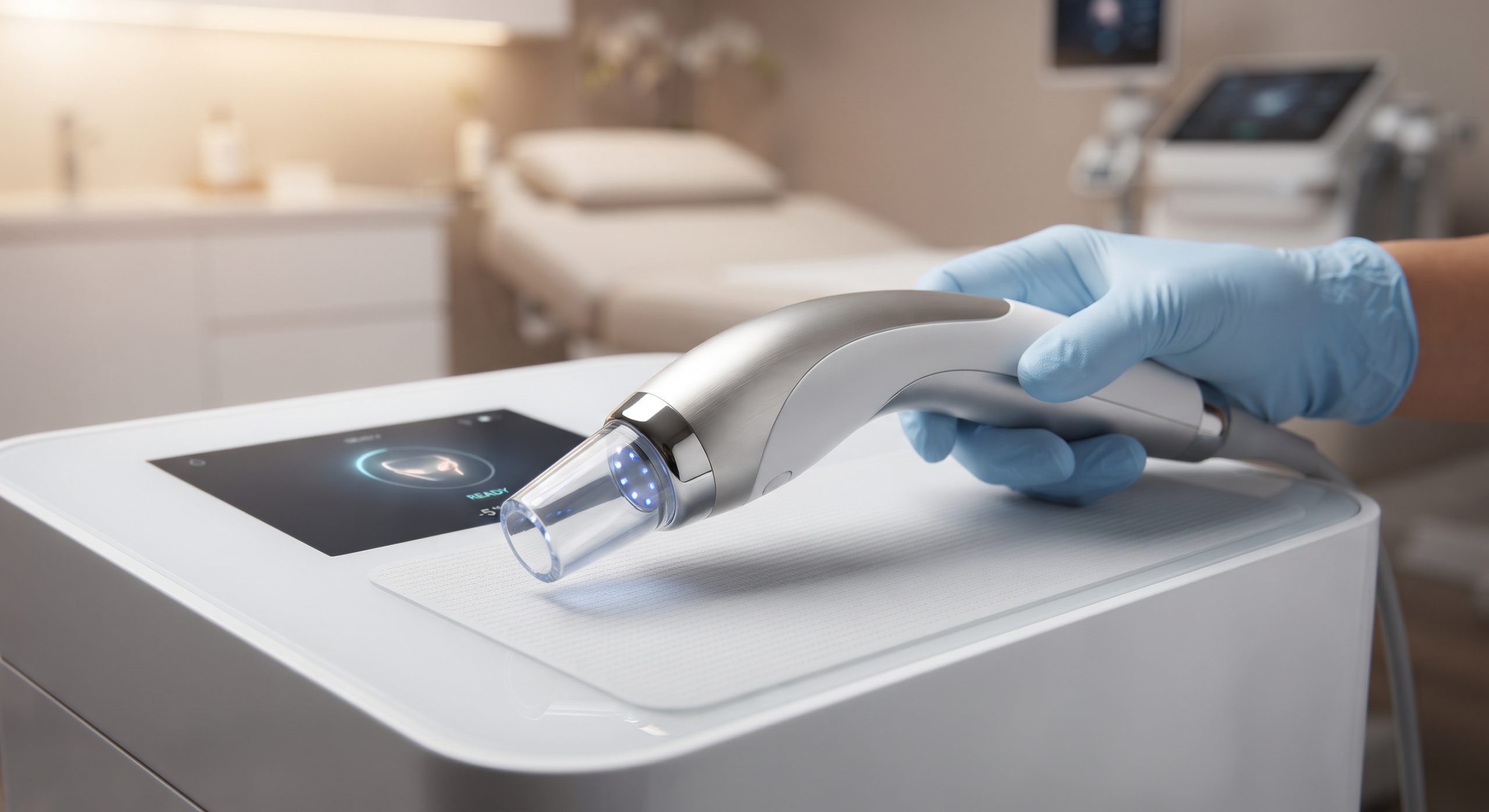
📥 Download Technical Specification
Click the button below to view or download the full official PDF datasheet.