
자료
DVT Phase Reliability Testing Parameter Sheet – Clinical Architecture & Performance Reference Manual
CLINICAL ARCHITECTURE & PERFORMANCE REFERENCE MANUAL: DVT PHASE RELIABILITY TESTING PARAMETER SHEET
EXECUTIVE SUMMARY
This document serves as the definitive technical reference for the Design Verification Testing (DVT) Phase Reliability Testing Parameter Sheet, a critical deliverable within the New Product Introduction (NPI) framework for premium medical aesthetic devices. This Parameter Sheet codifies the exhaustive suite of engineering and clinical performance metrics that validate system durability, optical output stability, thermal management efficacy, and patient safety margins prior to mass production. Intended for internal engineering teams, regulatory affairs specialists, and strategic clinical partners, this whitepaper outlines the precise measurement protocols, acceptance criteria, and environmental stress conditions that the device platform must withstand to achieve global market release. The DVT phase is the pivotal gate where theoretical design meets empirical reality, ensuring that every subsystem—from the laser diode bars to the epidermal cooling engine—performs within its specified tolerances across the entire operational lifespan.
CLINICAL ARCHITECTURE & DESIGN
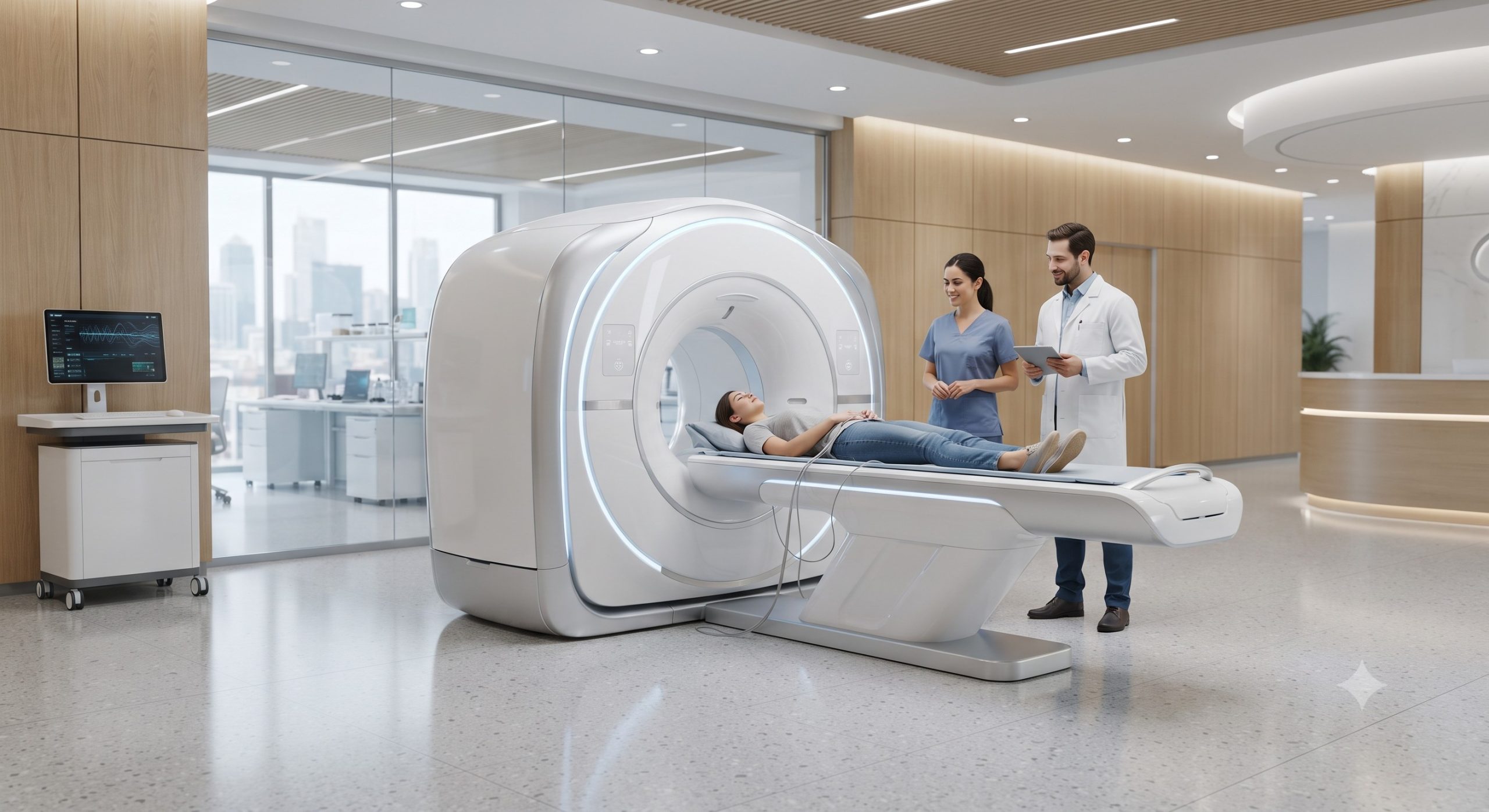
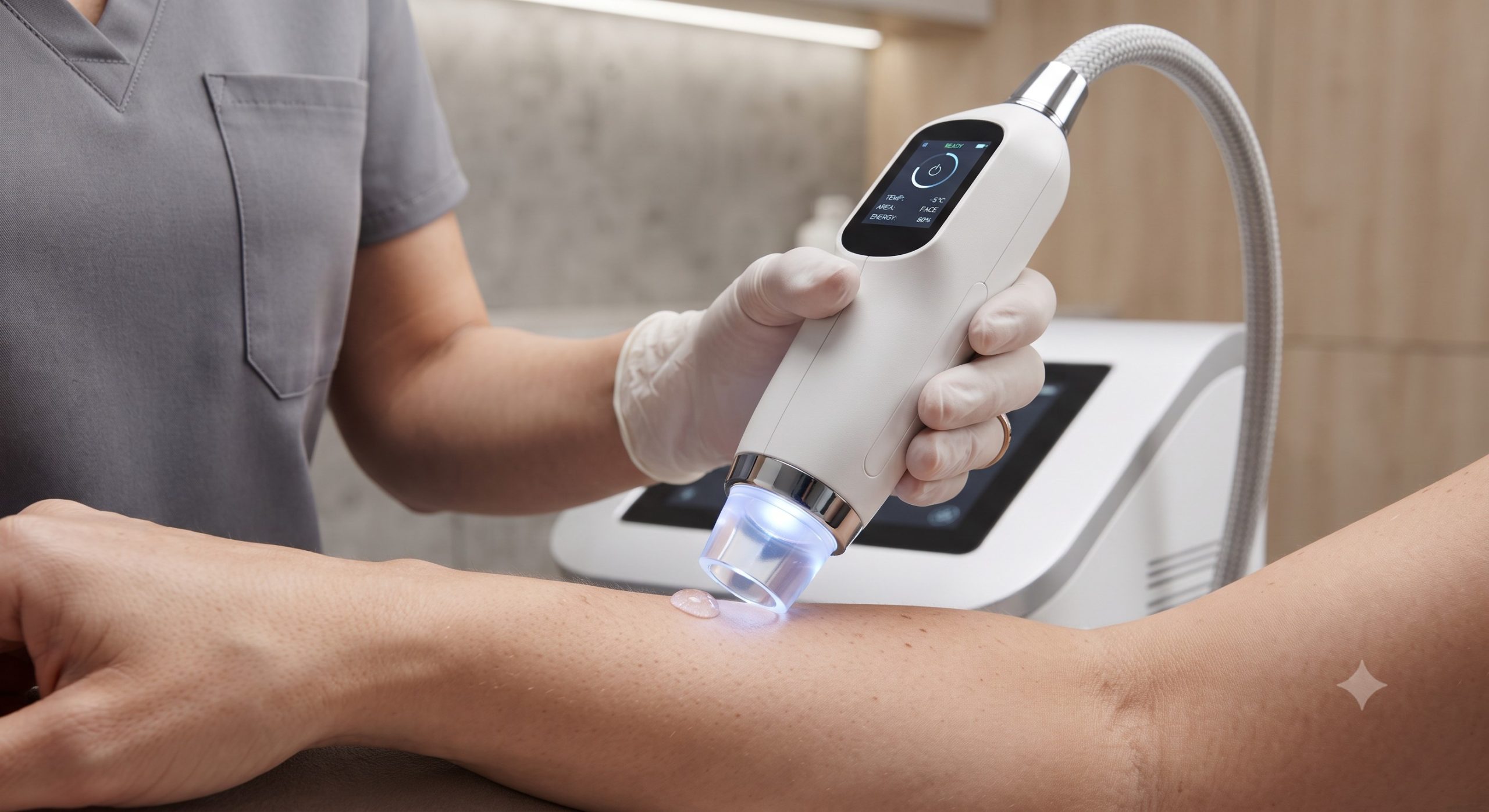
The reliability testing protocol is architected around a fully integrated, multi-subsystem platform. The core optical engine comprises high-power, hermetically sealed laser diode arrays, available in single or multi-wavelength configurations (e.g., 755nm, 808nm, 1064nm). The electrical topology features a redundant power supply unit (PSU) with active power factor correction (PFC) to ensure stable energy delivery to the laser bars, mitigating electrical noise that could compromise pulse-to-pulse energy consistency. The thermal management subsystem is a closed-loop liquid cooling circuit coupled with a forced-air convection radiator and a high-precision thermoelectric cooler (TEC) for the handpiece’s sapphire contact tip. This synergistic design maintains the laser diode junction temperature within a strict operating window, directly influencing the longevity and spectral stability of the optical output.
KEY INDICATIONS & CAPABILITIES
The platform is engineered for a broad spectrum of FDA-cleared and CE-marked indications, including permanent hair reduction, treatment of benign pigmented lesions, and vascular lesion clearance. The DVT parameter sheet specifically tests the device’s capability to deliver the required fluence (J/cm²) and pulse duration (ms) for each indication across all supported Fitzpatrick Skin Types (I-VI). The testing matrix includes simulated clinical treatments over 10,000 pulses to assess the consistency of the energy delivery system and the handpiece’s wear characteristics. Furthermore, the protocol verifies the integrated skin temperature monitoring system, ensuring that the device automatically adjusts or halts output to prevent epidermal overheating, a non-negotiable feature for safe operation in diverse clinical environments.
COMPLIANCE & STANDARDS
The DVT Parameter Sheet is constructed to ensure full compliance with international medical device standards, including but not limited to IEC 60601-1 (Medical Electrical Equipment), IEC 60825-1 (Safety of Laser Products), and ISO 13485 (Quality Management Systems). The reliability testing regime subjects the device to accelerated life testing (ALT) and highly accelerated life testing (HALT) to identify potential failure modes in the mechanical, electrical, and optical subsystems. Specific tests include mechanical shock and vibration (simulating shipping and handling), ingress protection (IP) testing, and electromagnetic compatibility (EMC) evaluation. The successful completion of this DVT phase is a mandatory prerequisite for submission of the Technical File to Notified Bodies and the 510(k) application to the FDA.
TECHNICAL SPECIFICATIONS
All performance specifications are validated under standard ambient conditions (23°C ± 2°C, 40% RH ± 10%) unless otherwise stated. The optical output is measured using a calibrated, NIST-traceable power meter and beam profiler. The thermal performance is recorded using a network of embedded thermistors and a high-speed thermal imaging camera to capture transient thermal gradients across the sapphire window.
| Parameter | Specification | Test Condition / Tolerance |
|---|---|---|
| Laser Type / Wavelength | Diode Laser (e.g., 755nm ± 10nm / 808nm ± 10nm / 1064nm ± 10nm) | Continuous Operation, 25°C |
| Maximum Output Power (Laser) | ≥ 300W (System Total) | Measured at Aperture, ±5% Accuracy |
| Spot Size (At Aperture) | Various / e.g., 15mm x 15mm (Square) | Standard Handpiece Configuration |
| Pulse Duration (Pulse Width) | 1 – 400 ms (Adjustable) | Step Size: 1ms |
| Fluence (Energy Density) | Up to 60 J/cm² | Dependent on Spot Size and Power |
| Repetition Rate | Single Shot to 10 Hz | User Selectable |
| Cooling System | Contact Sapphire Tip + TEC + Water/Air Convection | Maintains Tip < 5°C at 25°C Ambient |
| Skin Temperature Monitoring | Real-Time Contact Sensor (e.g., Thermistor) | Stops Emission if > 50°C (Configurable) |
| Power Supply | 100-240 VAC, 50/60 Hz, 20A | Universal Input, PFC |
| Environmental Operating Range | +10°C to +40°C, 20% to 80% RH (non-condensing) | Non-Operational Storage: -10°C to +50°C |
| Physical Dimensions (Main Unit) | e.g., 45cm x 35cm x 100cm (WxDxH) | Approximate Weight: 40kg |
| Safety Classifications | Class I, Type B, Laser Class 4 | IEC 60601-1, IEC 60825-1 |
CLINICAL PROTOCOLS
The clinical utility of the device is directly correlated to the integrity of the parameters defined in this sheet. For hair reduction, the protocol recommends a test protocol using a fluence range of 10-40 J/cm² with a pulse width of 5-100 ms, depending on the spot size and skin type. The DVT phase validates the stability of these parameters across a full operational shift (e.g., 500 pulses per hour). For vascular and pigmented lesions, the device leverages shorter pulse widths (1-10 ms) to achieve selective photothermolysis, targeting specific chromophores (hemoglobin and melanin). The parameter sheet captures the system’s response time in transitioning between these diverse treatment modes, ensuring that the device is both a versatile and a reliable asset in any clinical setting.
📥 Download Technical Specification
Click the button below to view or download the full official PDF datasheet.