
블로그
The Ultimate Clinic Guide to Tracking Coating Batches: Efficacy, Wavelengths, and ROI
2026年7月2日
Introduction: The Critical Role of Coating Batch Tracking in Modern Medical Aesthetics
In the high-stakes world of medical aesthetics, the precision of coating batch tracking is not merely a logistical concern—it is a cornerstone of patient safety, treatment efficacy, and regulatory compliance. For B2B buyers, clinic owners, and procurement specialists, understanding the provenance and specifications of each coating batch used in aesthetic devices is paramount. This guide provides an authoritative, clinically-driven exploration into how robust batch tracking protocols ensure that devices operate at their peak, delivering consistent patient outcomes while safeguarding against costly equipment failures and compliance breaches. We will dissect the technical metrics, relevant industry standards, and the tangible ROI of implementing a stringent tracking system, ensuring your clinic remains at the forefront of quality and safety.
From the moment a coating is applied to a critical component like a laser handpiece, its properties influence everything from energy delivery to patient comfort. Without meticulous tracking, clinics risk variable treatment outcomes, increased consumable costs, and potential non-compliance with standards like ISO 13485 and Medical CE directives. Our analysis will demonstrate that a systematic approach to coating batches is an investment in brand reputation, clinical confidence, and long-term profitability.
The Physics of Coating Performance: Wavelengths, Fluence, and Tissue Interaction
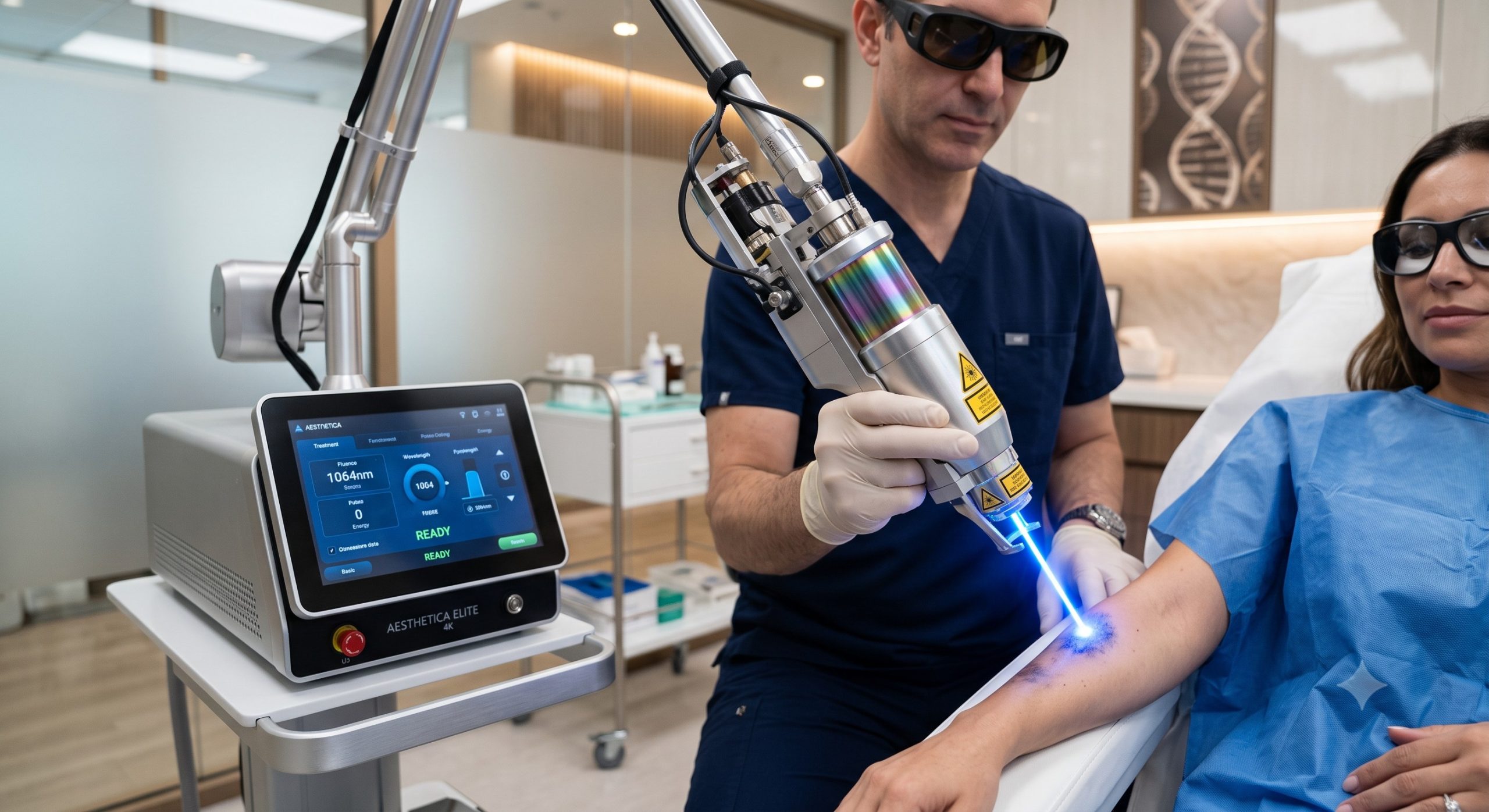
The clinical efficacy of any aesthetic laser or energy-based device is intrinsically linked to the optical and thermal properties of its internal coatings. These coatings, whether anti-reflective or reflective, govern how efficiently a specific wavelength—such as the melanin-targeting 755nm, the versatile 808nm diode, or the deep-penetrating 1064nm Nd:YAG—is transmitted to the target chromophore. A variance in coating thickness, uniformity, or composition from one batch to another can directly alter the fluence (J/cm²) delivered to the tissue, compromising the principle of selective photothermolysis. For instance, a 10% deviation in coating reflectivity within a handpiece can significantly reduce effective energy density, leading to sub-optimal treatment sessions and dissatisfied patients.
Furthermore, the durability of these coatings dictates the long-term stability of key performance metrics like pulse width and peak power. High-quality coatings, traceable to a specific batch with documented application parameters, ensure that the device’s output remains consistent over its lifespan. This is why leading medical device manufacturers and savvy clinic owners demand full traceability. This data allows for predictive maintenance and ensures that replacements are performed with components that meet the original equipment manufacturer’s (OEM) stringent specifications, such as those required by FDA clearance protocols. Tracking coating batches is, therefore, a direct method of quality control for the physics of the treatment itself.
Key Coating Specifications & Critical Parameters
To fully understand the value of a comprehensive tracking system, a clinic must be familiar with the primary technical parameters that are batch-dependent. This data, typically recorded in the Certificate of Conformance for a component, should be meticulously logged and cross-referenced during maintenance and repairs.
| Key Parameter | Technical Specification |
|---|---|
| Wavelength / Laser Type | 755nm (Alexandrite), 808nm (Diode), 1064nm (Nd:YAG) |
| Fluence (Energy Density) | Up to 120 J/cm² (Batch-dependent for consistency) |
| Pulse Width | Adjustable (e.g., 3-600ms) for selective photothermolysis |
| Cooling System | Sapphire Contact Cooling & TEC (Thermoelectric Cooling) |
| Coating Material | High-reflectivity dielectric coating (e.g., SiO₂/TiO₂ multilayers) |
| Coating Durability | Tested >1,000,000 shots (100% full energy) |
| Regulatory Compliance | Medical CE, FDA 510(k) Clearance, ISO 13485 |
Regulatory & Safety Imperatives: Compliance Beyond the Checklist
For a medical aesthetic clinic, compliance is the bedrock of sustainable practice. Regulatory bodies such as the FDA and the European Union’s Medical Device Regulation (MDR) operate under strict frameworks that demand accountability across the entire supply chain. A verifiable coating batch tracking system is essential for demonstrating due diligence during audits or in the event of a quality incident. Standards like ISO 13485 specifically require organizations to maintain control over all purchased processes, including coating application. Without batch traceability, a clinic cannot prove that the components used in its devices are authentic and meet the required safety and performance specifications, which can be grounds for severe regulatory penalties and liability in case of patient injury.
From a clinical safety perspective, a compromised coating—whether due to delamination or inconsistent application—can lead to hotspots, localized overheating, and burns. It can also cause variations in the sapphire cooling efficiency of a handpiece, a critical component for pain management and epidermal protection during high-fluence treatments. By systematically tracking batches, clinics can identify and isolate potential problems before they affect patients, creating a powerful safety net. This proactive approach is not just about meeting a regulatory checkbox; it is a proactive strategy to ensure the highest standard of patient care and foster a culture of safety within the practice.
Economic Analysis: The ROI of a Systematic Coating Tracking Protocol
While the initial implementation of a rigorous tracking protocol may appear to be an administrative burden, its economic benefits are substantial and multifaceted. The most direct ROI comes from a significant reduction in unplanned downtime. When a device malfunctions due to a coating defect, the cost is not just the repair bill but also the lost revenue from canceled treatments. The ability to quickly trace an issue back to a specific coating batch—and to isolate other devices using that same batch—enables rapid, targeted corrective action, often preventing widespread equipment failure. This data-driven approach to maintenance is far more cost-effective than a reactive strategy.
Beyond downtime, coating batch tracking optimizes the total cost of ownership (TCO) of your equipment. By analyzing performance data against specific coating batches, clinics can identify which batches yield the longest handpiece life and most consistent clinical outcomes. This intelligence informs more strategic procurement decisions, allowing clinics to favor suppliers or specific batches that offer the best value, thus extending the life of consumables and reducing capital replacement frequency. Furthermore, the ability to present a flawless, data-backed track record to potential investors or partners is an intangible yet powerful advantage, showcasing a level of professionalism and operational excellence that distinguishes a premium medical aesthetic provider from its competitors.
Conclusion: Elevating Clinic Operations Through Meticulous Traceability
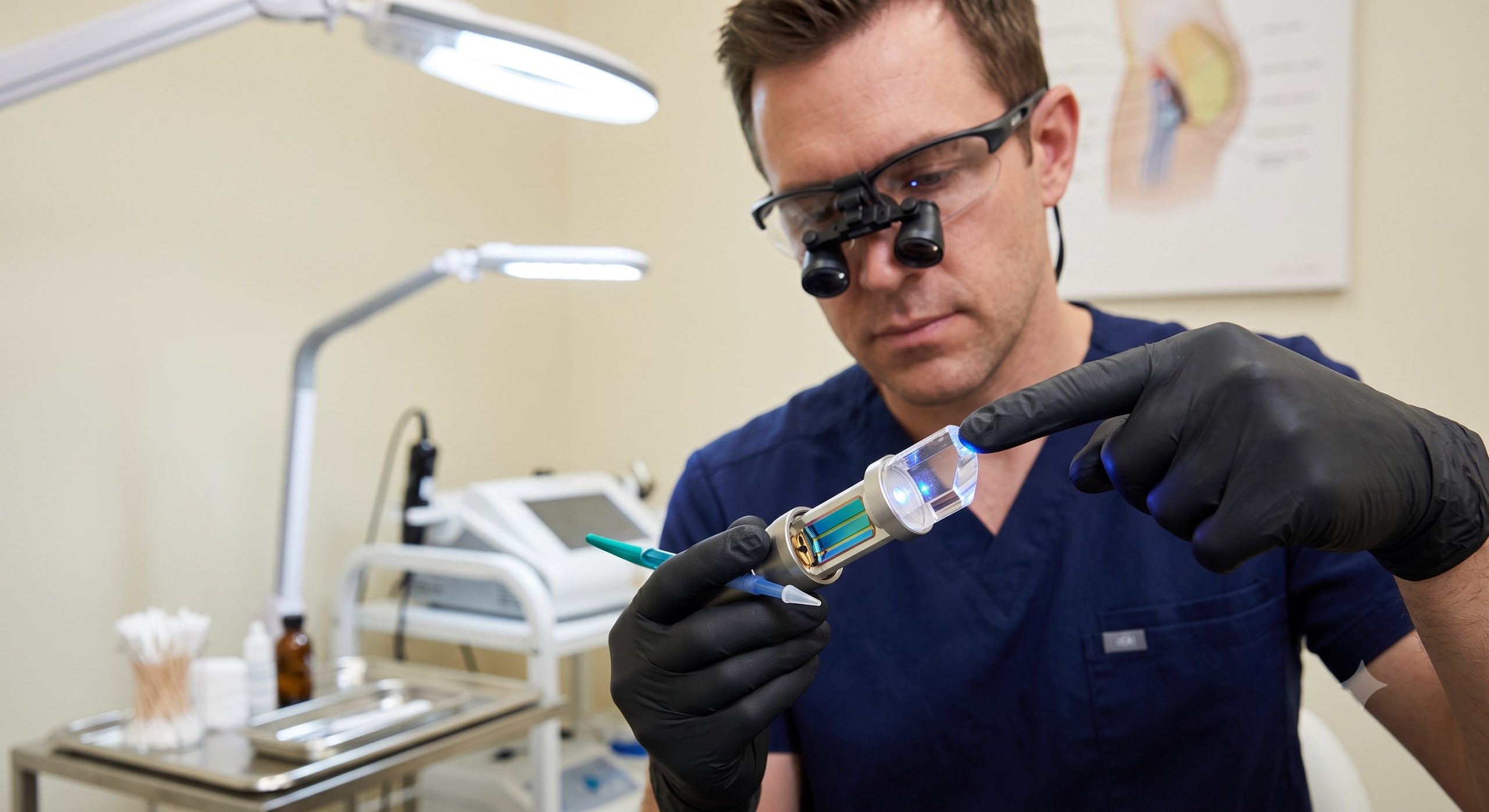
In conclusion, the systematic tracking of coating batches is not a peripheral administrative task but a core competency for any successful medical aesthetic practice. It bridges the gap between the pure physics of light-tissue interaction and the pragmatic demands of clinic economics and patient safety. By ensuring that every coating used on a critical component meets precise technical specifications for wavelength performance, fluence delivery, and thermal management, clinics can guarantee consistent, predictable, and superior treatment outcomes.
Investing in robust tracking protocols is a declaration of commitment to clinical excellence and operational integrity. It ensures compliance with vital standards like CE, FDA, and ISO 13485, while simultaneously protecting the clinic’s financial health against unnecessary downtime and premature equipment wear. As the medical aesthetics industry continues to evolve toward greater precision and accountability, the clinics that will thrive are those that embrace data-driven management down to the level of individual component coatings. This guide serves as your roadmap to implementing and leveraging such a system for enhanced patient trust, superior clinical results, and a healthier bottom line.