
블로그
The Ultimate Clinic Guide to CAR/CAPA Tracking in Continuous Improvement: Efficacy, Wavelengths, and ROI
2026年11月27日
Why CAR/CAPA Is the Missing ROI Lever in Your Aesthetic Laser Clinic
In the competitive world of medical aesthetics, clinic owners invest heavily in premium hardware—755nm/808nm/1064nm diode platforms, sapphire contact cooling, and large spot size handpieces—yet frequently overlook the single most powerful driver of long-term profitability: a rigorous CAR/CAPA (Corrective and Preventive Action) tracking system. While a Medical CE or FDA-cleared device delivers the clinical potential, it is the closed-loop quality management process that ensures consistent energy output, reduces downtime, and protects your investment. This guide dissects the technical and operational mechanics of CAR/CAPA in continuous improvement, providing clinic directors with a data-driven blueprint to elevate safety, efficacy, and return on investment.
The Physical Mechanism: From Adverse Events to Parameter Stability
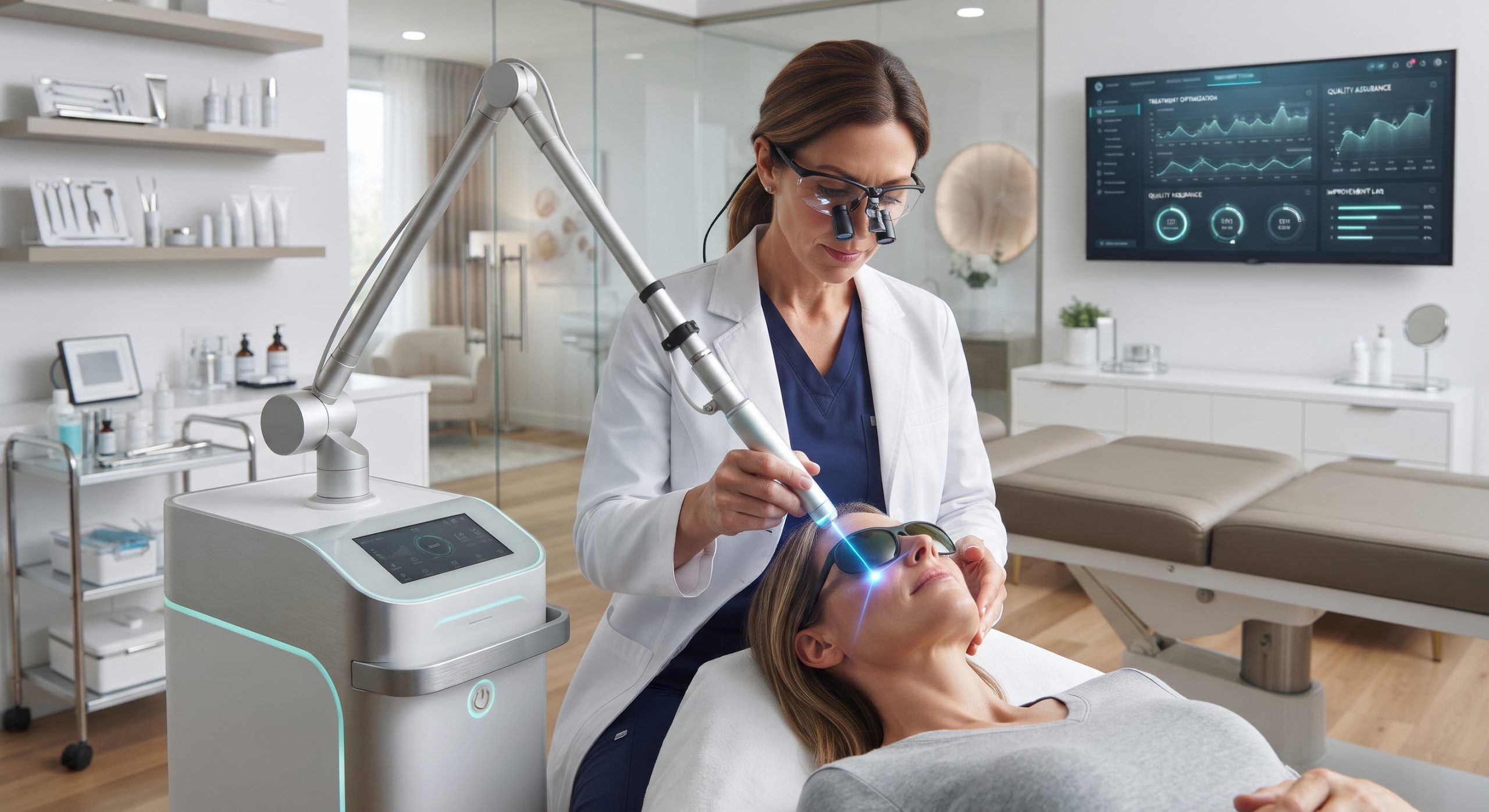
At its core, CAR/CAPA is a systematic quality assurance framework mandated by ISO 13485. It is not merely administrative paperwork; it is a technical feedback loop that directly influences the clinical performance of your laser systems. When a deviation occurs—whether a patient reports an unexpected adverse reaction, or a handpiece exhibits inconsistent energy density (fluence)—the CAR/CAPA process investigates the root cause and implements a preventive action.
Technical Impact on Laser Output Metrics
Consider the critical parameters that govern selective photothermolysis: wavelength (755nm, 808nm, 1064nm), spot size, pulse width, and fluence. A drift in any of these metrics can compromise clinical outcomes. For instance, if a sapphire ICE cooling system degrades, the epidermal protection is compromised, potentially leading to unwanted thermal injury. A robust CAR/CAPA system tracks these deviations, triggering preventive maintenance before patient safety is jeopardized. By correlating adverse event reports with device log data, clinics can pinpoint whether the issue is operator-dependent, a consumable wear issue, or a hardware malfunction.
Critical Output Metrics and the CAR/CAPA Data Matrix
To operationalize continuous improvement, clinics must monitor specific performance indicators. The following table outlines the key technical specifications that should be integrated into your CAR/CAPA tracking dashboard, alongside their role in the quality loop.
| Key Parameter | Technical Specification | CAR/CAPA Tracking Role |
|---|---|---|
| Wavelength / Laser Type | 808nm Diode / 755nm / 1064nm | Verification of output stability; prevent wavelength drift |
| Cooling System | Sapphire Contact Cooling (0-5°C) / TEC | Daily temperature logs; preventive maintenance triggers |
| Spot Size | Large Spot (e.g., 12x12mm to 25x25mm) | Consumable wear tracking; handpiece lifespan monitoring |
| Energy Density (Fluence) | Up to 120 J/cm² (adjustable) | Calibration verification per ISO 13485 |
| Pulse Width | 10ms – 400ms | Clinical outcome correlation; protocol optimization |
| Repetition Rate | Up to 10 Hz | Throughput analysis; downtime impact assessment |
Building a Data-Driven Safety Protocol: The Fitzpatrick Scale & Epidermal Protection
The integration of CAR/CAPA is most critical when treating Fitzpatrick Skin Types I-VI. For darker skin types (IV-VI), the risk of post-inflammatory hyperpigmentation (PIH) is elevated. A well-designed CAR/CAPA system mandates strict pre-treatment testing and parameter verification for these patients. By tracking clinical outcomes across different skin types, clinics can build a predictive safety model that adjusts fluence and pulse duration based on historical data.
Epidermal Protection Mechanisms
The sapphire contact cooling and TEC (Thermoelectric Cooling) systems are your first line of defense. CAR/CAPA protocols should include daily verification of cooling temperature (typically 0-5°C) and monthly calibration of the laser’s power supply. When a preventive action is triggered—such as replacing a degraded cooling circuit—it must be documented and linked to the specific device serial number. This creates a traceable audit trail that satisfies both Medical CE requirements and FDA quality system regulations, ensuring your clinic is always inspection-ready.
Quantifying the ROI: Consumables, Downtime, and Patient Retention
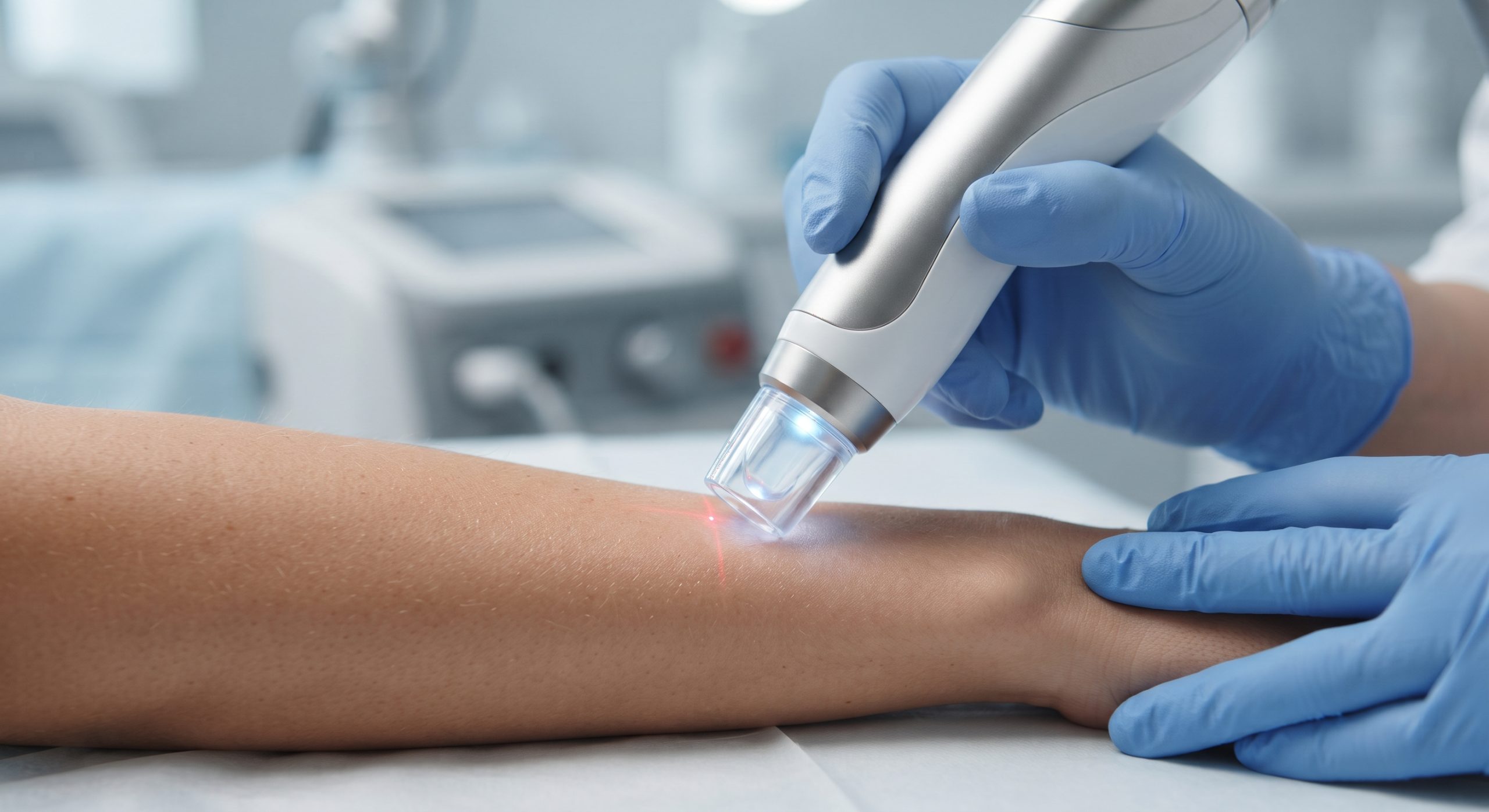
The financial impact of CAR/CAPA is profound. Handpiece durability and consumable lifespan are directly tied to your operational costs. A preventive action that extends the life of a large spot size handpiece by 20% can save thousands in replacement costs. Furthermore, by minimizing device downtime through scheduled maintenance, you maximize treatment throughput—a critical metric for high-volume med spas. For a device with a 10Hz repetition rate, every hour of downtime translates to lost revenue from multiple treatment sessions.
Patient Satisfaction and Continuous Improvement
Ultimately, CAR/CAPA is a patient-centric strategy. When a clinic consistently tracks clinical clearance rates for hair removal or pigment/vascular lesions, it can refine its protocols and set accurate patient expectations. This data-driven approach enhances patient satisfaction and retention, turning a one-time treatment into a long-term relationship. By closing the loop between technical metrics and clinical outcomes, your clinic moves from reactive troubleshooting to proactive excellence.
Conclusion: The CAR/CAPA Advantage
For the B2B medical aesthetic device buyer, the CAR/CAPA process is not a compliance burden—it is a strategic asset. It bridges the gap between imported laser bar quality and sustained clinical efficacy. By embedding a robust CAR/CAPA tracking system, clinic owners and operators can protect their CapEx investment, ensure patient safety across all Fitzpatrick skin types, and achieve a predictable ROI that outpaces competitors relying solely on hardware specifications. In the pursuit of continuous improvement, the data you capture and act upon is your most valuable clinical parameter.