
블로그
Navigating the Transition to the New EU Machinery Regulation: A Clinical Compliance & Safety Deep Dive
2026年8月17日
Navigating the New EU Machinery Regulation: A Critical Overview for Medical Aesthetic Clinics
The regulatory landscape governing medical aesthetic devices is undergoing its most significant transformation in a decade. The transition from the old Machinery Directive (2006/42/EC) to the new EU Machinery Regulation (EU) 2023/1230 represents a paradigm shift, demanding heightened scrutiny of design, safety, and clinical documentation. For clinic owners and procurement specialists, this isn’t merely a legal checkpoint; it’s a clinical imperative that directly impacts patient safety and operational longevity.
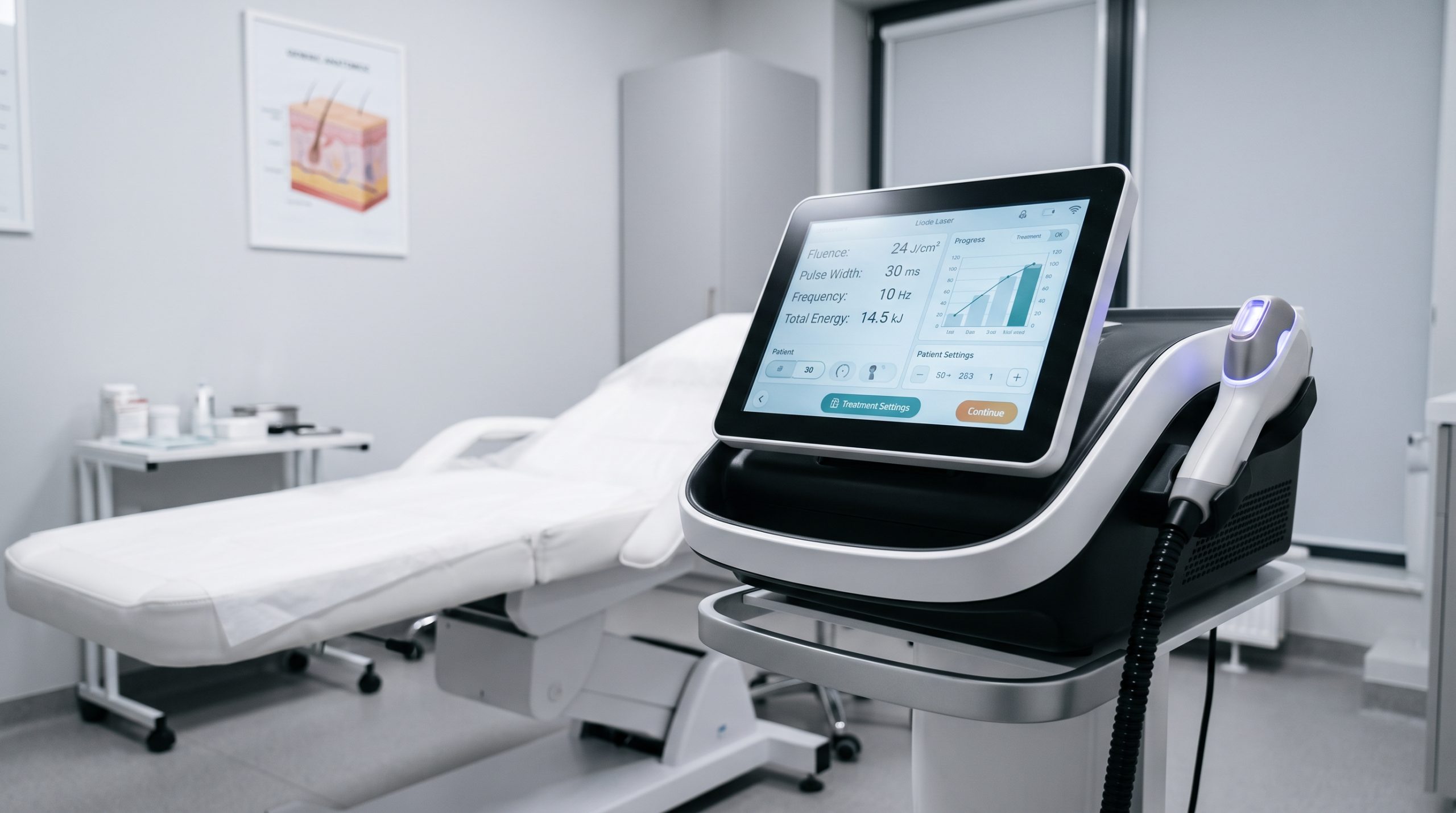
The new regulation, which becomes fully applicable in January 2027, elevates the baseline for what constitutes a compliant aesthetic laser platform. It moves beyond simple safety guards to mandate comprehensive risk assessments that cover the entire lifecycle of the device, from manufacturing to decommissioning. For high-powered devices like the 808nm Diode Laser and multi-wavelength systems, understanding these nuances is critical to avoiding substantial penalties and ensuring uninterrupted clinical service. This guide dissects the technical and procedural requirements of the transition, offering a clear roadmap for clinics to achieve seamless compliance while maintaining superior treatment outcomes.
Clinical Impact: How the New Regulation Redefines Device Safety and Performance
At the heart of EU 2023/1230 is a more stringent requirement for Hardware/Software Integration and functional safety. Unlike its predecessor, the new regulation treats software and cybersecurity as intrinsic components of the device’s safety. For clinicians, this translates to a greater emphasis on the stability of energy delivery systems. For instance, a device offering 755nm/808nm/1064nm wavelengths must now include robust, auditable systems that prevent energy fluctuations that could cause adverse events.
Core Technical Metrics Under the New Compliance Lens
The regulation’s technical file requirements now demand more precise and validated data points for manufacturers. As a clinic evaluating new equipment, you must demand clear, verifiable documentation on these critical metrics to ensure your operation remains compliant:
- Energy Density (Fluence): The ability to consistently deliver predetermined fluence (typically 10-40 J/cm² for hair reduction) must be validated with zero deviation outside the defined tolerance.
- Pulse Width & Frequency: For patient comfort and efficacy, the device must maintain a stable pulse duration (e.g., 10-400ms) and repetition rate (up to 10Hz) during high-throughput treatments.
- Epidermal Protection: The regulation intensifies focus on cooling systems. Sapphire Contact Cooling or TEC (Thermoelectric Cooling) must demonstrate reliable temperature management (e.g., maintaining skin surface temperature at 5-10°C) to mitigate burn risks, particularly for higher energy levels.
- Spot Size Variability: Interchangeable spot sizes (e.g., 10x10mm, 15x15mm) must be designed to prevent incorrect installation that could alter energy output or damage the handpiece.
Technical Specifications for Compliance-Centric Procurement
For clinic decision-makers, the technical specifications are the front line of defense against regulatory non-compliance. The table below illustrates the critical specifications that must align with the new EU Machinery Regulation’s stringent validation and documentation requirements.
| Key Parameter | Technical Specification & Compliance Relevance |
|---|---|
| Wavelength & Depth | 755nm (Melanin/Absorption), 808nm (Deep Vascular/Hair Bulb), 1064nm (Deepest Penetration/Coagulation). Relevance: Device must provide validated energy curves for each wavelength to support risk analysis for different skin types. |
| Laser Bar Origin | High-Power, Imported Diode Bars (e.g., US/Europe/Japan origin). Relevance: Ensures consistent output and lifespan, a key requirement for long-term performance stability under the new regulation. |
| Cooling System | Advanced Sapphire Contact Cooling with Dual TEC (Thermoelectric Coolers). Relevance: Must maintain skin temperature below a safety threshold (e.g., 5°C) to protect epidermis, a critical aspect of the functional safety assessment. |
| Pulse Duration | Programmable 10ms to 400ms. Relevance: Needs precise calibration logs to prove pulse stability for all treatment ranges, essential for the technical construction file. |
| Energy Density (Fluence) | 1-40 J/cm² (Adjustable by 1 J/cm² increments). Relevance: A key controlled variable; the device’s software must log and limit energy to prevent inadvertent high-fluence applications. |
| Output Frequency | Up to 10 Hz (High-Speed Repetition). Relevance: Requires a robust water-cooling circuit to manage thermal load, a mandatory check for environmental resilience. |
Interpretation for Clinical Practice
This data isn’t just for the engineering file; it directly affects your clinical protocols. For example, a laser bar rated for 2 million shots under the new ISO 13485 manufacturing standards ensures that your consumable costs remain predictable. Furthermore, the demand for High-Frequency Repetition (up to 10Hz) requires advanced water-cooling circuits to prevent thermal drift, a safety feature now mandatorily audited under the new regulation.
Risk Management: Aligning Clinical Protocols with the New Framework
The new EU Machinery Regulation is built on the ISO 12100 framework for risk assessment, expanding its scope to include human factors and ergonomics. For aesthetic clinics, this means a stronger focus on the Operator-Device Interface. The regulation now explicitly covers risks arising from the physical interaction between the clinician and the machine, including handpiece weight, cable management, and the intuitiveness of the UI.
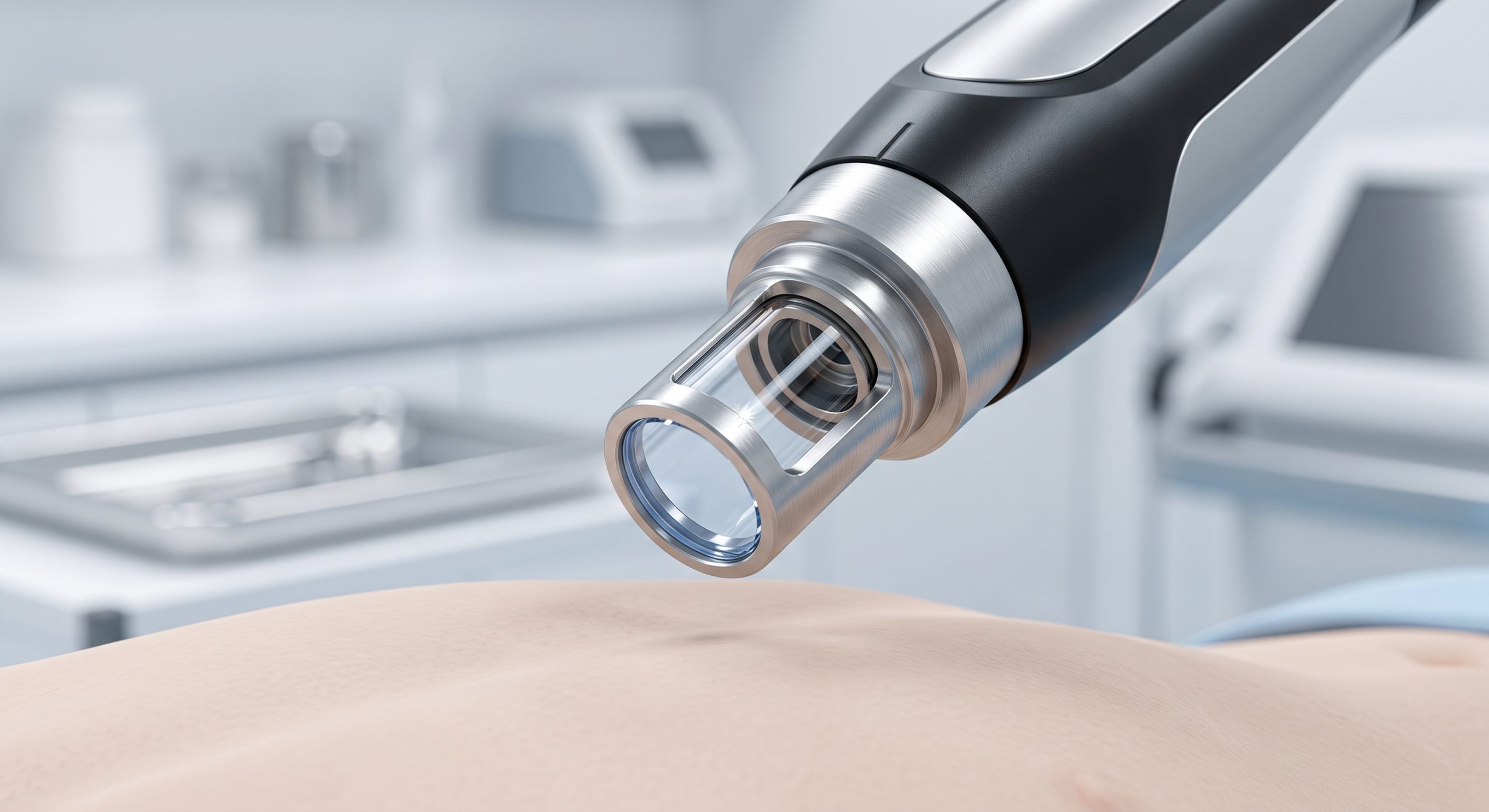
Clinics must ensure their device’s software incorporates dynamic safeguards. For instance, if treating a Fitzpatrick Skin Type VI patient with a 1064nm wavelength, the device software should automatically lock out the higher fluence ranges that are unsafe for darker skin tones unless overridden by a multi-step confirmation process. This is a direct compliance requirement to mitigate the risk of thermal injury.
The Path Forward: Integrating New Devices into Your Practice
The transition to the new EU Machinery Regulation is more than a logistical hurdle; it’s an opportunity to elevate your clinic’s standard of care. By prioritizing devices that demonstrate clear alignment with EU 2023/1230, you are investing in a platform that guarantees clinical precision and patient safety. The current period is a transitional window, but the most forward-thinking clinics are already using these new compliance benchmarks to differentiate their service offerings.
Strategic Recommendations for Clinic Owners
- Audit Existing Equipment: Compare your current devices’ technical files (including electrical schematics and software version history) against the new regulation’s requirements. Identify gaps in documentation or hardware safety features.
- Update Procurement SOPs: Ensure your purchasing agreements now mandate declarations of conformity to EU 2023/1230, specifically citing the technical documentation for the laser engine and cooling circuits.
- Invest in Training: The human element is now under regulatory scrutiny. Invest in operator training that emphasizes the new safety protocols and risk management procedures dictated by the updated machinery standards.
- Leverage Compliance for Marketing: In an increasingly discerning B2B market, advertise your clinic’s commitment to the highest regulatory standards as a key USP to attract top-tier talent and discerning clients.
The transition is an opportunity to future-proof your practice, ensuring that your clinical operations remain unassailable, safe, and profitable in the long term.