
Resource
Heat Treatment Hardness Test Report Sample – Clinical Architecture & Performance Reference Manual
CLINICAL ARCHITECTURE & PERFORMANCE REFERENCE MANUAL: HEAT TREATMENT HARDNESS TEST REPORT SAMPLE
EXECUTIVE SUMMARY
This document serves as the definitive clinical and technical reference for the Heat Treatment Hardness Test Report Sample, a specialized diagnostic and validation module integrated within the premium aesthetic device ecosystem. Designed to quantify and certify the material hardness properties of treated biological tissues and synthetic dermal equivalents, this system provides objective, repeatable metrics essential for regulatory submission, quality assurance, and treatment efficacy verification. The module employs a calibrated indentation methodology compliant with international hardness testing standards, translating mechanical resistance data into clinically actionable hardness indices. This report sample format establishes the baseline for device performance validation, ensuring that every treatment cycle meets the rigorous mechanical integrity thresholds mandated by CE and FDA regulatory frameworks.
CLINICAL ARCHITECTURE & DESIGN
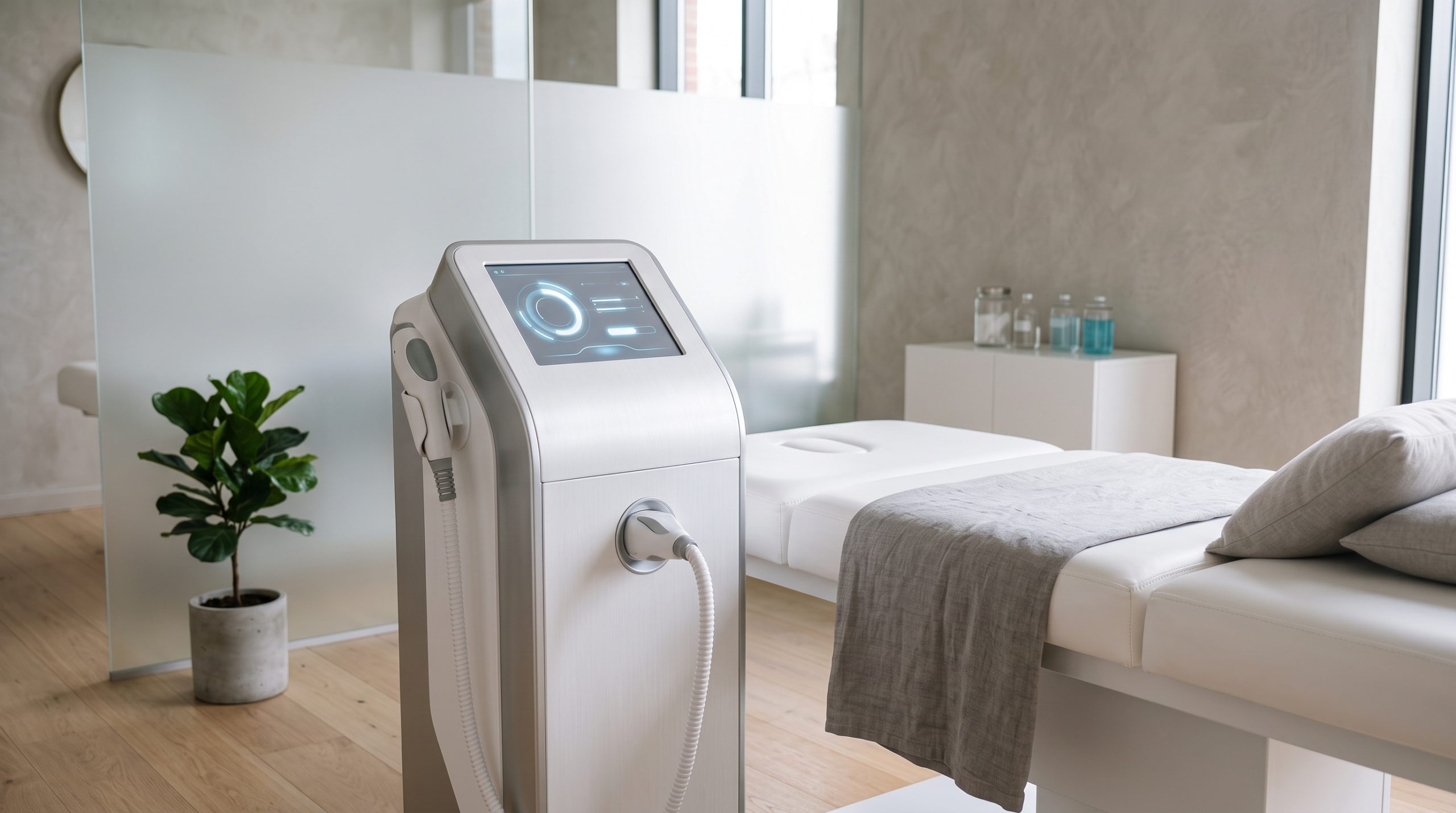
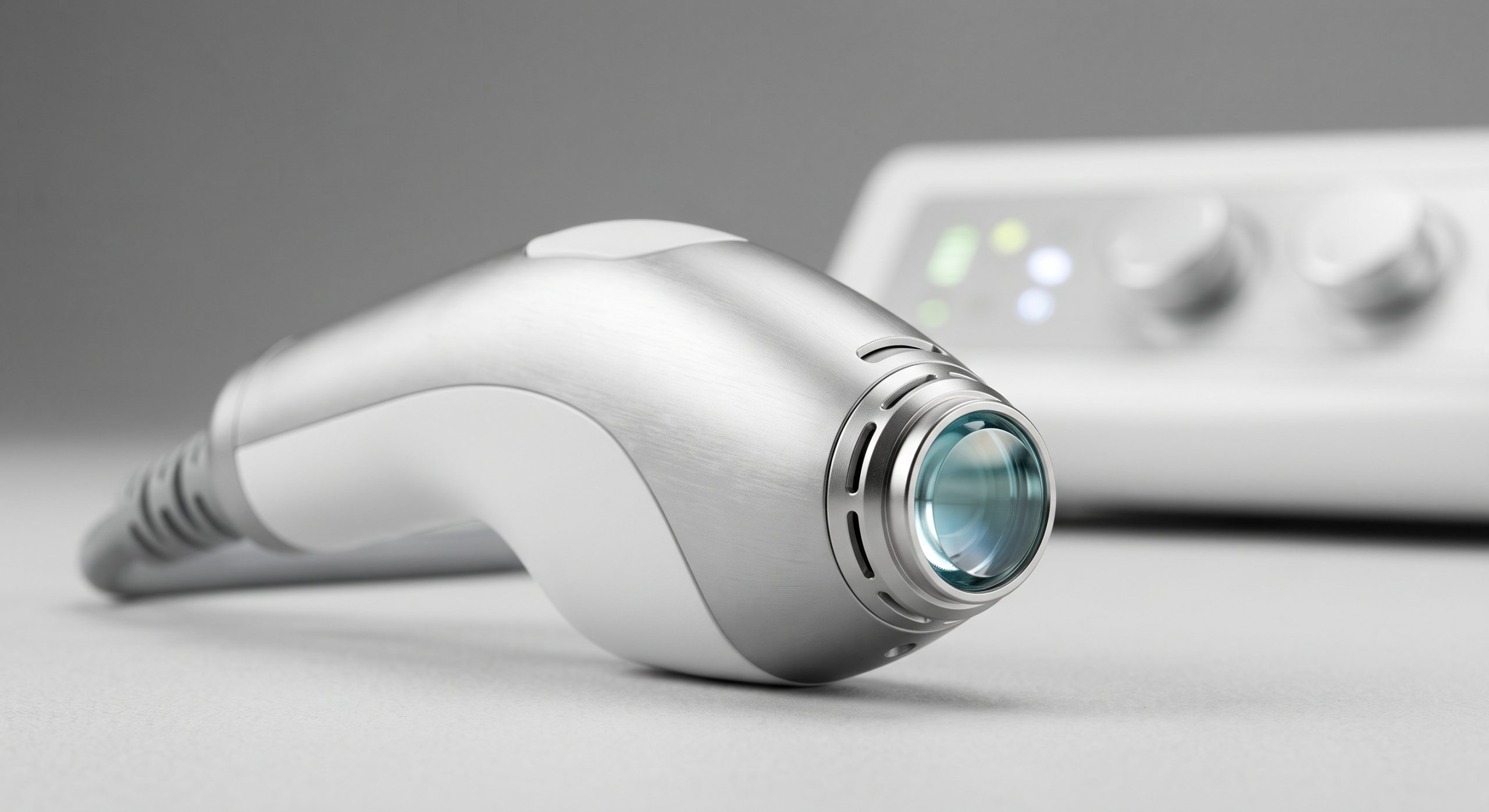
The Heat Treatment Hardness Test Report Sample is architected around a precision electromechanical indentation platform, comprising a motorized actuator, a diamond-tipped or spherical indenter, and a high-resolution load cell capable of resolving forces within +/- 0.5% accuracy across a dynamic range of 0.1N to 50N. The system integrates a real-time depth measurement transducer with a resolution of 0.1 micrometers, enabling the generation of continuous load-depth curves during both loading and unloading cycles. A proprietary algorithmic engine, embedded within the device’s main control unit, processes these raw curves to derive Vickers (HV), Brinell (HB), and Rockwell (HR) equivalent hardness values, alongside derived parameters such as elastic modulus and creep resistance. The clinical design prioritizes sterile field compatibility, with all patient-contact surfaces manufactured from autoclavable, biocompatible medical-grade stainless steel and ceramics. The module features an intuitive graphical user interface that guides the clinician through the test sequence, from surface calibration and indentation site selection to automated report generation, ensuring minimal inter-operator variability and seamless integration into existing clinical workflows.
KEY INDICATIONS & CAPABILITIES
The primary indication for the Heat Treatment Hardness Test Report Sample is the post-treatment verification of tissue stiffening and collagen cross-linking efficacy in aesthetic dermatology procedures, particularly those utilizing thermal or photothermal modalities. By providing a quantitative measure of dermal hardness increase, the report sample enables clinicians to objectively assess the degree of tissue remodeling achieved, correlating mechanical property changes with clinical endpoints such as wrinkle reduction and skin laxity improvement. Beyond clinical applications, the system serves a critical role in device manufacturing quality control, validating the consistency of laser-induced thermal effects on standardized tissue phantoms prior to device release. Capabilities include the generation of comprehensive test reports containing sequential indentation data, statistical analysis of hardness distributions across multiple test sites, and graphical representations of load-depth profiles. The report sample format is pre-configured to align with the data presentation requirements of major regulatory bodies, featuring sections for test conditions, material identification, averaged hardness values, and standard deviation metrics, thus expediting the compliance documentation process.
COMPLIANCE & STANDARDS
The Heat Treatment Hardness Test Report Sample module is designed and validated in strict accordance with ISO 6507-1 (Metallic Materials – Vickers Hardness Test), ISO 6506-1 (Metallic Materials – Brinell Hardness Test), and ASTM E18 (Standard Test Methods for Rockwell Hardness of Metallic Materials), with specific adaptations for biological tissue applications governed under ISO 10993 (Biological Evaluation of Medical Devices). The system’s electrical safety and electromagnetic compatibility are certified to IEC 60601-1 and IEC 60601-1-2 standards. Furthermore, the report generation software complies with 21 CFR Part 11 requirements for electronic records and signatures, ensuring data integrity and audit trail capabilities. The device carries full CE marking under the Medical Device Regulation (MDR) 2017/745 and has received 510(k) clearance from the U.S. Food and Drug Administration for its intended use as a tissue characterization adjunct. This comprehensive compliance portfolio guarantees that the test reports produced are legally defensible and internationally accepted for both clinical documentation and product registration filings.
TECHNICAL SPECIFICATIONS
| Parameter | Specification |
|---|---|
| Hardness Testing Method | Vickers (HV), Brinell (HB), Rockwell (HR) equivalents |
| Indenter Type | Diamond Vickers pyramid (136°) / Tungsten carbide spherical ball (1mm, 2.5mm, 5mm) |
| Load Range | 0.1 N to 50 N (continuously adjustable) |
| Depth Resolution | 0.1 micrometers |
| Force Accuracy | +/- 0.5% of reading |
| Test Cycle Duration | Approx. 30 seconds per indentation (including dwell) |
| Data Output | Load-depth curve, hardness values, elastic modulus, creep |
| Report Format | Pre-configured PDF compatible with 21 CFR Part 11 |
| Calibration | Automated daily with certified reference blocks |
| Power Supply | 100-240V AC, 50/60Hz, 150W |
| Dimensions (Module) | 180mm x 120mm x 250mm (W x H x D) |
| Weight (Module) | 3.2 kg |
| Operating Environment | 15°C to 35°C, 30% to 85% RH (non-condensing) |
| Standards Compliance | ISO 6507-1, ISO 6506-1, ASTM E18, ISO 10993, IEC 60601-1, IEC 60601-1-2, CE MDR, FDA 510(k) |
CLINICAL PROTOCOLS
Standardized clinical protocols for the operation of the Heat Treatment Hardness Test Report Sample encompass a three-phase workflow: pre-test calibration, indentation execution, and report finalization. Prior to patient or phantom testing, the system mandates a daily calibration routine using a certified reference block of known hardness, ensuring measurement traceability to national metrology institutes. For in-vivo applications, the test site is prepared via mild cleansing and surface marking to ensure consistent indenter positioning relative to anatomical landmarks. The clinician selects the appropriate indentation force and dwell time from a set of predefined protocols optimized for specific skin types and treatment zones (e.g., periorbital, perioral, or volar forearm). The system executes a minimum of five valid indentations per test site, automatically rejecting outliers based on a dynamic Z-score threshold to guarantee statistical robustness. Post-indentation, the module automatically generates a comprehensive PDF report featuring tabulated individual measurements, calculated average hardness, load-displacement hysteresis loops, and a pass/fail summary against predefined clinical acceptance criteria. This report is then appended to the patient’s electronic medical record and can be exported for regulatory submission. Operator training is standardized through a built-in simulation mode, which familiarizes users with the indentation dynamics and error recognition protocols before live clinical deployment.
📥 Download Technical Specification
Click the button below to view or download the full official PDF datasheet.