
よくある質問
B2B Buyer’s Guide: Warranty, Training, and Shipping FAQ for Supplier Scorecards
Overview
For B2B clinic owners and dermatologists, the incoming inspection is the critical gateway to ensuring device reliability and patient safety. We understand that a supplier’s performance directly impacts your clinical workflow and ROI. A well-structured supplier scorecard is the definitive tool to move beyond a simple checklist, offering a comprehensive, data-driven approach to evaluating new equipment. This FAQ addresses your core concerns regarding quality, support, and logistics to help you make a confident investment.\n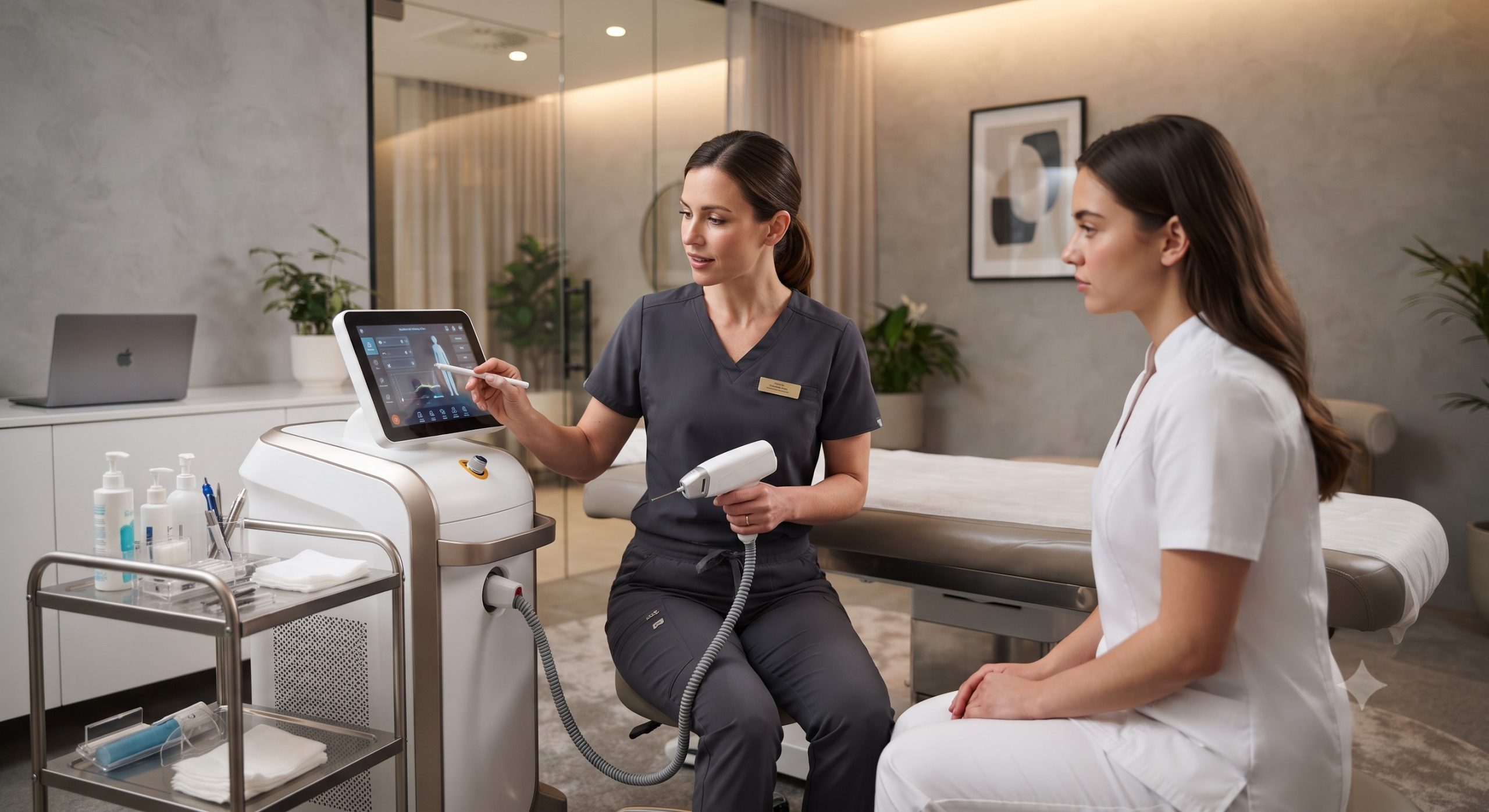 \n
\n
Frequently Asked Questions
\n
Q1: How does a supplier scorecard improve the incoming inspection process for aesthetic lasers?
\n
A supplier scorecard fundamentally shifts incoming inspection from a reactive pass/fail check to a proactive quality assurance framework. It provides a standardized, objective method to evaluate each new device against defined Key Performance Indicators (KPIs). This ensures that every laser or device you receive consistently meets your clinic’s high standards for safety and efficacy, reducing the risk of patient complications and costly downtime.
\n
Q2: What specific criteria are typically evaluated on a supplier scorecard during incoming inspection?
\n
An effective scorecard for aesthetic equipment evaluates a supplier across four critical categories: Product Quality, Logistics, Documentation, and Post-Sales Support. Specific criteria include the device’s energy output accuracy against specifications, the integrity of packaging upon delivery, the completeness of technical and user manuals, and the responsiveness of the supplier’s technical support team. This holistic view ensures the supplier is a reliable long-term partner, not just a one-time vendor.
\n
Q3: Can a supplier scorecard help assess the warranty and long-term support of a device before purchase?
\n
Yes, absolutely. A supplier scorecard should heavily weight pre-sales questions to protect your long-term investment. By assigning high point values to factors like warranty length, the inclusion of on-site technical training, and clear shipping terms, you can easily compare suppliers. This pre-emptive scoring helps identify partners who are committed to supporting your clinic over the lifespan of the device, rather than those who offer only a basic warranty with no follow-up.
\n
Q4: How does the scorecard process influence supplier training and documentation quality?
\n
The scorecard creates an incentive for suppliers to deliver superior training and documentation, which are vital for your clinical team. During incoming inspection, you can score the clarity and depth of the training provided, as well as the comprehensiveness of the device manuals. A supplier with a high score in this area significantly reduces the risk of operator errors, ensuring your staff can utilize the device safely and effectively from day one.
\n
Q5: If a device fails an incoming inspection, how does the scorecard help in the resolution?
\n
When a device fails inspection, the scorecard acts as an objective, detailed log of the failure points, which is crucial for an efficient resolution. It allows you to clearly communicate specific discrepancies to the supplier, such as ‘energy output below specified tolerance’ or ‘missing documentation,’ eliminating ambiguity. This clarity typically expedites corrective actions, whether that involves a replacement, on-site repair, or a credit, ensuring your clinical operations are interrupted as little as possible.
\n
Q6: How is the ‘Likelihood to Recommend’ metric used in supplier scorecards for aesthetic devices?
\n
The ‘Likelihood to Recommend’ metric is a comprehensive indicator of your overall confidence in the supplier, based on your entire interaction from purchase to post-sales. In the context of incoming inspection, it’s the ultimate synthesis of your experience. If the device arrives in perfect condition, performs flawlessly, and is backed by exceptional support, your score will be high. This metric is a key indicator for your procurement team when making future purchasing decisions.
\n
Q7: Does a high supplier scorecard guarantee device performance and safety?
\n
While a high supplier scorecard is a powerful predictor of a positive experience, it is not an unconditional guarantee. It is a robust indicator of a supplier’s commitment to quality and support, based on rigorous criteria. For definitive safety and efficacy, all devices must still meet stringent medical CE and FDA compliance standards. The scorecard ultimately helps you select the most reliable partners from a pool of compliant suppliers, significantly mitigating your business risk.
\n
Q8: How frequently should a supplier scorecard be updated for the aesthetic market?
\n
In the fast-paced aesthetic medical industry, we recommend reviewing and updating your supplier scorecard at least annually. This ensures that the criteria remain relevant to evolving technology, clinical standards, and your clinic’s changing needs. Regular updates allow you to incorporate feedback from your clinical and technical teams, ensuring the scorecard consistently rewards suppliers who deliver real-world value, innovation, and reliability.