
ブログ
Why European Buyers Need Detailed Material Test Reports (MTR)
2026年8月31日
The Clinical & Financial Imperative of MTRs in European Aesthetic Medicine
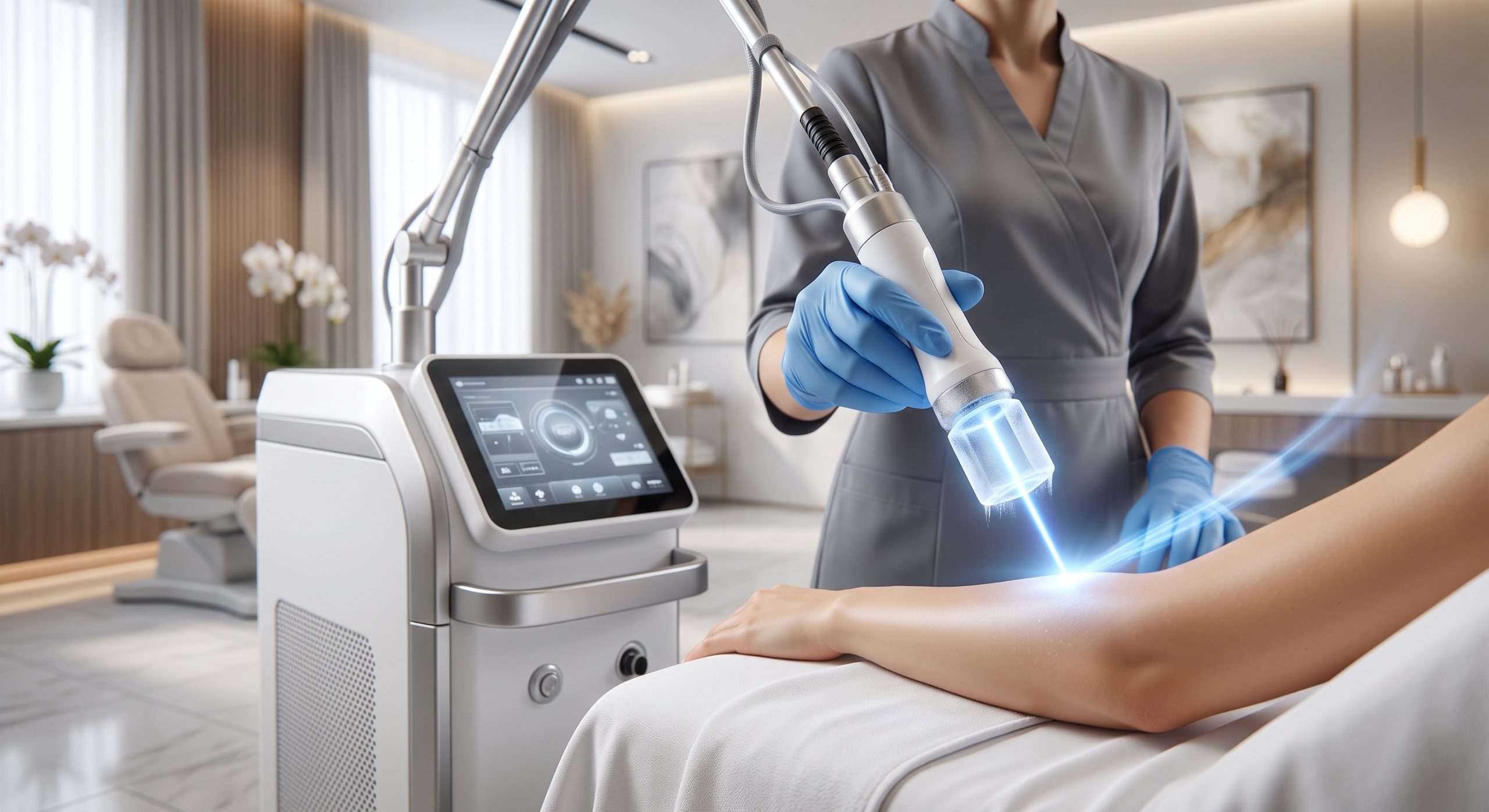
For the discerning European aesthetic clinic, the purchase of a medical diode laser system (such as a 755nm/808nm/1064nm platform) represents a significant investment in both clinical capability and practice reputation. While many procurement decisions are influenced by brand reputation or marketing, a truly elite buyer distinguishes themselves by demanding verifiable, objective proof of a device’s mechanical integrity and material safety. This is precisely where a Detailed Material Test Report (MTR), often referred to as a Mill Test Report, transitions from a technical formality to an essential document for clinical governance, procurement validation, and long-term cost management. European Union regulations, particularly under the Medical Device Regulation (MDR) framework, place an onus on the ‘Authorized Representative’ and the end-user to ensure that all components meet stringent safety and performance criteria. An MTR provides the metallurgical and physical evidence that the laser’s core components—such as the laser bar, cooling system, and handpiece casing—are constructed from materials that conform to their specified standards (e.g., ISO 13485, CE marking requirements). This deep dive explores the critical necessity of MTRs, moving beyond a simple checkbox exercise to a strategic element of asset lifecycle management.
Understanding the MTR: Beyond a Piece of Paper
At its core, a Material Test Report is a quality assurance document produced by the material manufacturer or component supplier. It certifies that the materials used in the manufacturing of a specific part (like the high-performance copper heat sink for a 808nm diode laser bar or the stainless-steel fittings in the water-cooling circuit) have been tested and meet the required chemical, physical, and mechanical properties. For a medical device, the MTR is often the first link in the traceability chain required to maintain Medical CE compliance. It is not merely a shipping document; it is a legal declaration of material conformity.
Key Components Typically Verified by an MTR
- Metallurgical Composition: Confirms the exact alloy and elemental breakdown of critical metal parts, ensuring they possess the required thermal conductivity and structural strength to withstand the high-energy demands of a diode laser system.
- Mechanical Properties: Details tensile strength, yield strength, and hardness. These are crucial for components under constant thermal and mechanical stress, such as the handpiece mechanism.
- Traceability: The MTR provides a unique heat number, allowing the manufacturer and the buyer to trace the material back to its original source, a fundamental requirement for comprehensive quality management under ISO 13485.
- Certification of Compliance: Confirms that the material adheres to relevant international standards (e.g., ASTM, EN, or DIN) which are prerequisites for CE marking and market access within the EU.
The Strategic Role of MTRs in Clinical Safety & Device Efficacy
The clinical application of an aesthetic laser is a complex interplay of physics and biology, requiring precise control over parameters like Wavelength (755nm/808nm/1064nm), Spot Size, Energy Density/Fluence (J/cm²), and Pulse Width (ms). Any deviation in the device’s hardware can profoundly affect clinical outcomes and patient safety. An MTR contributes to this by verifying that the physical components responsible for generating, delivering, and controlling this energy are manufactured from materials that guarantee consistency and reliability.
Epidermal Protection & Cooling Integrity
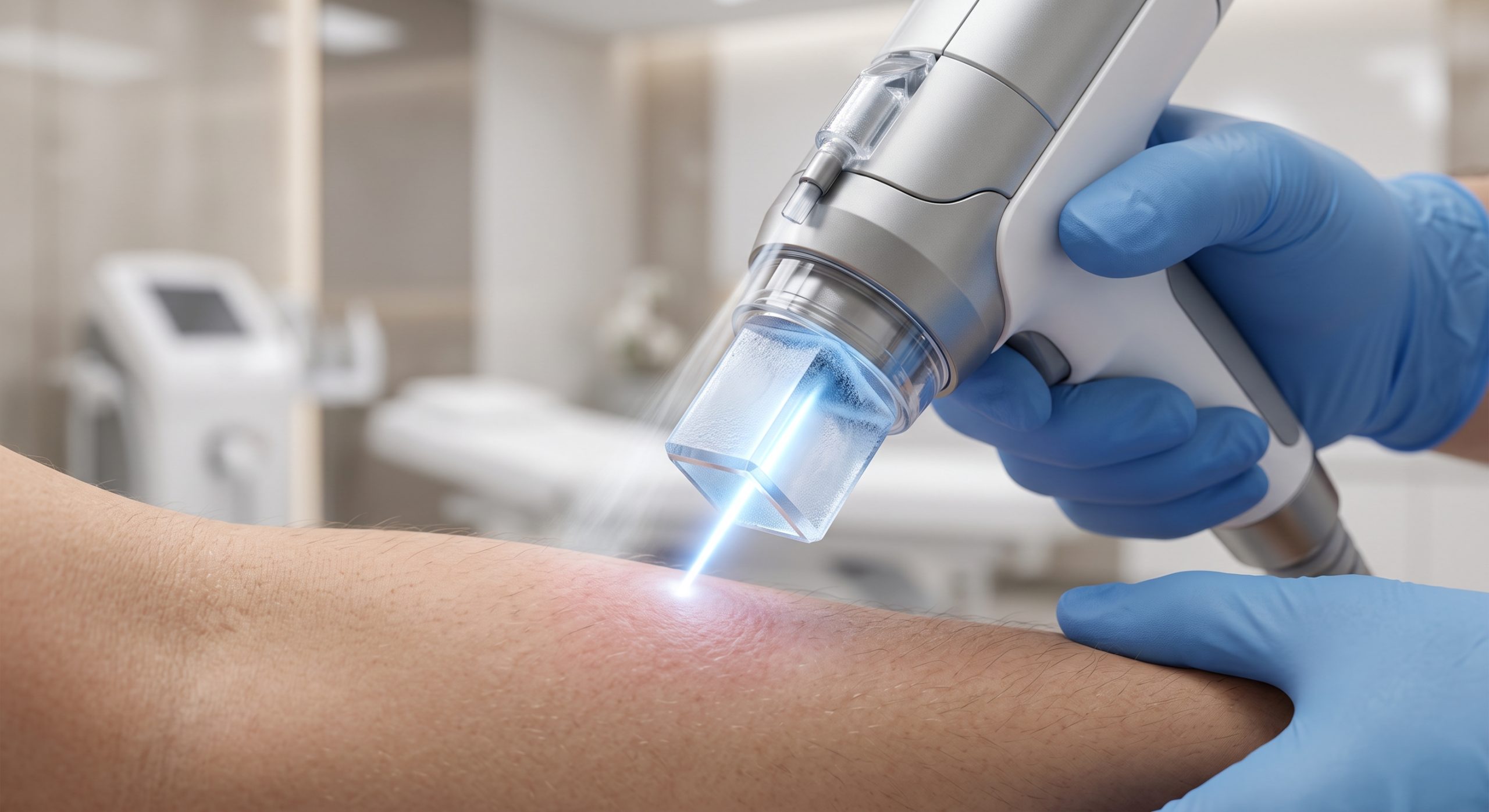
One of the most critical aspects of patient comfort and safety is the cooling system. Advanced Sapphire ICE Cooling Systems rely heavily on the thermal conductivity of the metal components in direct contact with the cooling element. An MTR verifies that the metal heat sink used is of the appropriate grade (e.g., pure copper or a specific aluminum alloy) to efficiently dissipate heat away from the epidermis. If the material does not meet its specified thermal conductivity, the cooling efficiency could be compromised, leading to an increased risk of burns or pigmentary changes (hyper/hypopigmentation), especially on higher Fitzpatrick Skin Types.
Consistent Output and Laser Bar Longevity
The diode laser bar is the heart of the system, generating the precise wavelengths for selective photothermolysis. Its performance is intrinsically linked to its mounting and the thermal management provided by the surrounding materials. The MTR for the laser bar mounting ensures that the coefficient of thermal expansion (CTE) is perfectly matched to the laser bar. A mismatch could lead to mechanical stress, reducing the handpiece shot lifespan and causing inconsistent energy output over the device’s lifetime. By reviewing the MTR, a clinic is effectively conducting a form of preventative due diligence, ensuring that the device’s mechanical stability will support its electrical performance for years to come.
| Document/Parameter | Clinical & Business Relevance |
|---|---|
| Material Test Report (MTR) | Verifies metallurgical integrity, ensuring component durability and thermal management for consistent laser output. |
| Wavelength (755nm/808nm/1064nm) | Determines target specificity for melanin, hemoglobin, and water, dictating clinical indications for hair removal and vascular/pigmented lesions. |
| Cooling System (Sapphire) | Protects epidermis during high fluence treatments, enabling effective and comfortable procedures on diverse skin types. |
| Energy Density (Fluence) | Measured in J/cm²; determines the energy delivered to the target, directly affecting clearance rates and treatment efficacy. |
Navigating European Regulatory Compliance (MDR & CE)
The European Medical Device Regulation (MDR) 2017/745 is the most stringent regulatory framework for medical devices in the world. For an aesthetic laser to bear the Medical CE mark, the manufacturer must demonstrate conformity across a vast range of requirements, including biocompatibility, performance, and mechanical safety. The MTR serves as the foundational evidence for mechanical safety. During a Notified Body audit, the manufacturer must be able to provide MTRs for all safety-critical components to prove that the device has been built from materials that meet the declared specifications. For the buyer, requesting these reports is a powerful method of verifying that the manufacturer is operating under a robust ISO 13485 quality management system and is not cutting corners with substandard materials. This is not just a theoretical concern; a device built with inferior materials will have higher failure rates, requiring more frequent maintenance and replacement parts, which directly impacts the clinic’s operational costs and long-term profitability.
Quality Assurance and Long-Term Performance
The long-term performance and durability of a high-energy medical device depend on the quality of its internal components. The laser diode’s performance is directly linked to the quality of its mounting and cooling assembly. The MTR verifies that the materials used in these assemblies—such as the imported laser bar and the accompanying heat sink—meet the necessary specifications to ensure stable, high-performance operation. This reduces the risk of premature failure and the associated downtime, which can be a major source of revenue loss for any high-throughput clinic.
Protecting Your Investment and Reducing TCO
The Total Cost of Ownership (TCO) for a medical laser is comprised of more than the initial purchase price. It includes maintenance costs, consumable replacements (which can be prohibitively expensive), and potential lost revenue due to device downtime. By demanding and carefully reviewing MTRs, a clinic can significantly reduce its TCO. High-quality materials lead to more durable consumables, extending the life of the handpiece and reducing the frequency of costly repairs. This proactive approach aligns perfectly with the financial goals of a high-volume med spa.
The MTR as a Medico-Legal Shield
In the event of a patient complaint or a regulatory inquiry, a clinic’s ability to demonstrate that it performed a high level of due diligence during the procurement process is paramount. The MTR is a critical part of this evidence. It provides an independent, third-party verification of the device’s material safety and quality. Having this documentation on file can be invaluable in protecting the clinic’s reputation and mitigating legal exposure in the rare event of a device-related incident.
Conclusion: Integrating MTRs into Your Procurement Protocol
For the European aesthetic buyer, the procurement of a new laser device is a strategic decision that impacts clinical safety, operational efficiency, and financial performance. The Material Test Report is not an optional extra; it is an indispensable tool for validating the quality of the investment. It provides the scientific and technical assurance that the device is built to last and will consistently deliver the high-quality, safe, and effective results that patients expect. The request for MTRs signals to the manufacturer that you are an informed and quality-focused buyer, committed to upholding the highest standards of patient care. By making the review of an MTR a non-negotiable part of your purchasing protocol, you are not just buying a laser—you are investing in the long-term reliability, safety, and success of your aesthetic practice. This is the mark of a true industry leader.