
Risorsa
Coating Batch Traceability Log Example – Medical CE & FDA Technical Compliance Register
MEDICAL CE & FDA TECHNICAL COMPLIANCE REGISTER: COATING BATCH TRACEABILITY LOG EXAMPLE
EXECUTIVE SUMMARY
This document serves as the official Technical Compliance Register for the Coating Batch Traceability Log (CBTL) module, an embedded quality assurance subsystem within the OEM’s premium aesthetic device platform. This register details the procedural framework, data architecture, and regulatory adherence protocols governing the end-to-end traceability of all applicator and handpiece coating batches. The CBTL is a critical component for fulfilling stringent international medical device regulations, including FDA 21 CFR Part 820 and EU MDR 2017/745, ensuring that every treatment session is linked to a verifiable, defect-free coating application.
The system is architected to provide an immutable, time-stamped ledger that records the entire lifecycle of a coating batch—from raw material receipt and surface preparation through to the final quality control (QC) inspection and deployment on a clinical unit. This register provides a detailed technical overview for regulatory auditors, clinical engineers, and quality assurance managers.

CLINICAL ARCHITECTURE & DESIGN
The CBTL module operates as a secure, encrypted database integrated with the device’s main control board. The architecture is predicated on a hierarchical data model, where each batch is assigned a unique, algorithmically-generated alphanumeric identifier. This identifier is permanently linked to critical process parameters (CPPs) and critical quality attributes (CQAs). The system utilizes a client-server model: the clinical device acts as a client, reading traceability data from a secured server-side registry via a proprietary API.
Data entry points are strategically positioned at each stage of the coating manufacturing process. Automated optical inspection (AOI) systems and environmental sensors (temperature, humidity, and particulate matter) feed data directly into the log, eliminating manual entry errors. The clinical user interface provides a streamlined view of this data, allowing practitioners to verify the coating’s integrity, expiration date, and original manufacturing batch. This design ensures that the system functions not merely as a passive record but as an active gatekeeper, preventing the use of expired or non-verified coatings.
KEY INDICATIONS & CAPABILITIES
The primary indication for the CBTL module is to provide a robust mechanism for adverse event investigation and product recall management. In the event of a reported clinical incident or a manufacturing non-conformance, the CBTL enables the OEM to instantly query all devices in the field that contain components from a specific coating batch. This capability is essential for targeted field safety corrective actions (FSCAs).
Beyond compliance, the CBTL offers significant operational capabilities:
– Real-Time Inventory Management: The system provides a continuous audit of coating consumption across all connected devices, facilitating efficient supply chain logistics for high-volume clinical settings.
– Predictive Maintenance: By correlating coating batch data with device performance metrics (e.g., fluence uniformity, cooling efficiency), the system can anticipate maintenance needs and optimize replacement schedules, minimizing unplanned downtime.
– Patient Confidence: The ability to provide a verifiable, printable traceability report upon request enhances patient trust in the clinic’s adherence to the highest safety standards.
COMPLIANCE & STANDARDS
The CBTL module is designed and validated to meet the rigorous demands of the following regulatory frameworks:
– FDA 21 CFR Part 11: Electronic Records; Electronic Signatures. The system employs multi-factor authentication, audit trails, and robust encryption to ensure data integrity and security, meeting the FDA’s requirements for electronic records.
– EU MDR 2017/745 Annex I, GSPR 17: Information supplied with the device and traceability requirements for UDI. The module ensures that the Unique Device Identification (UDI) is seamlessly linked to the coating batch data, fulfilling the traceability mandate.
– ISO 13485:2016: The system aligns with the requirements of a quality management system specific to medical devices, ensuring consistent product quality and regulatory compliance.
– IEC 62304: Medical Device Software – Software life cycle processes. The software development and validation of the CBTL module strictly follow these processes to ensure safety and reliability.
TECHNICAL SPECIFICATIONS
| Parameter | Specification |
|---|---|
| Data Architecture | Hierarchical Relational Database with AES-256 Encryption |
| Batch ID Format | Alphanumeric (YYMMDD-SiteCode-####) |
| Record Fields | Batch ID, Raw Material Lot, Prep Date, QC Test Results, Expiration Date, Device Serial Number, Install Date |
| Regulatory Compliance | FDA 21 CFR Part 11, EU MDR Annex I (GSPR 17), ISO 13485 |
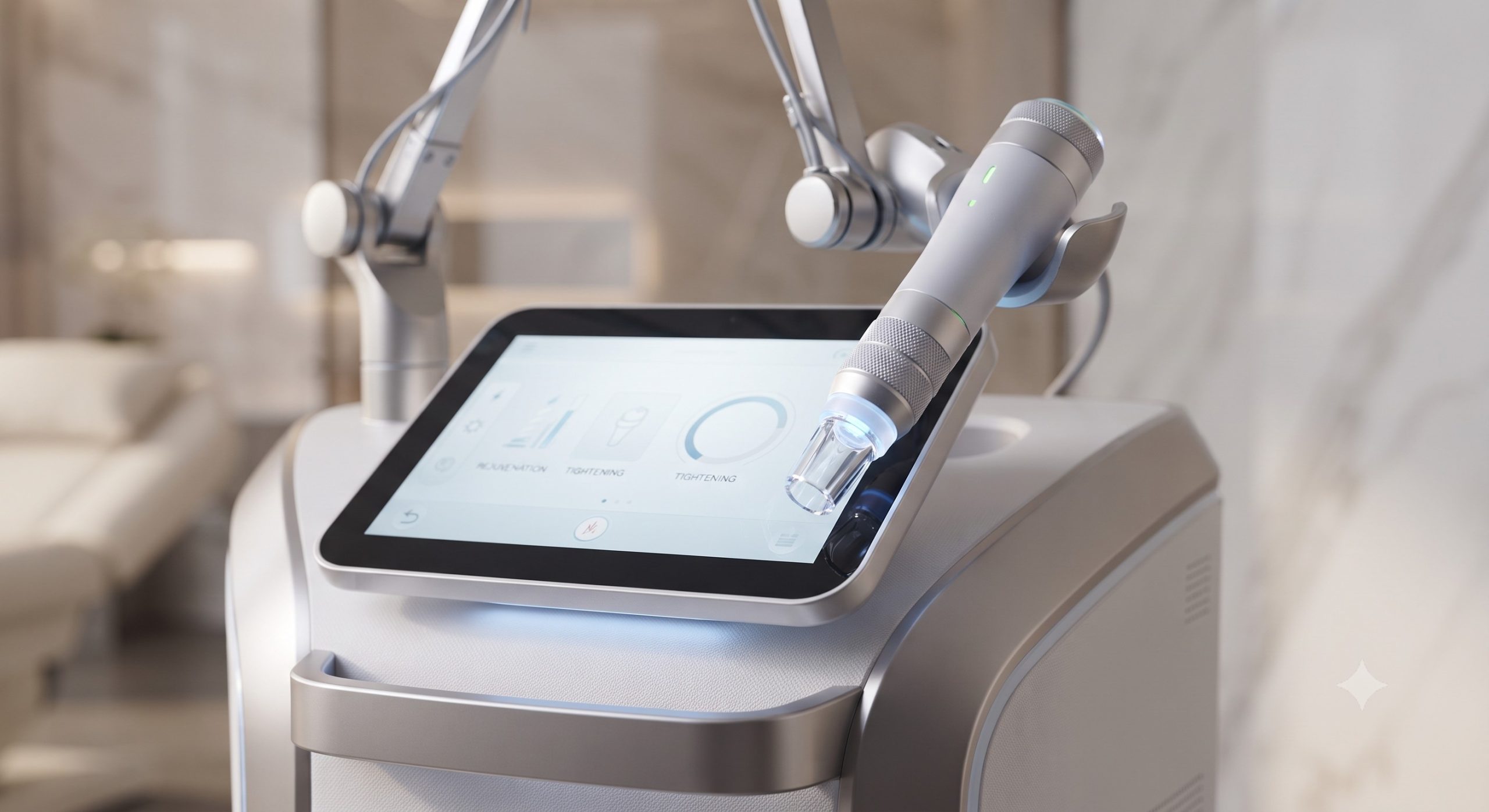
| User Interface | Integrated 15.6-inch capacitive touchscreen panel |
| Data Retention | Minimum of 10 years from the date of manufacture of the last device containing the batch |
| Connectivity | Ethernet and Wi-Fi (802.11ac) for secure backend synchronization |
CLINICAL PROTOCOLS
Upon device startup, the system automatically performs a validation check of the installed coating against the CBTL database. If the coating is expired or not found in the registry, the device will enter a restricted mode, preventing high-energy treatments until the issue is resolved. This fail-safe protocol is designed to protect the patient from potential performance degradation or safety hazards associated with compromised coating integrity.
For routine clinical operations, the CBTL is a seamless background process. However, a standard operating procedure (SOP) mandates that practitioners perform a visual inspection of the handpiece’s coating and confirm its ‘Certified’ status via the UI before initiating the first treatment of the day. This dual verification process (digital + visual) creates a robust safety net.
In the event of a system alert or a need for a recall, the clinical staff are trained to follow the ‘Traceability Consequence Protocol’ (TCP). This involves using the CBTL interface to generate an ‘Impacted Device Report,’ which identifies all patients treated with a specific coating batch and provides detailed logs of the treatment parameters used. This report is critical for conducting a thorough clinical risk assessment and formulating an appropriate follow-up plan for patients.
📥 Download Technical Specification
Click the button below to view or download the full official PDF datasheet.