
FAQ
Medical CE & FDA Regulatory FAQ: Compliance Standards for serialized part tool tracking
Overview
For B2B aesthetic clinics, dermatologists, and med spa procurement teams, traceability of every service action on a medical device is no longer optional — it is a regulatory and operational expectation. This FAQ answers the highest-intent pre-sales and post-sales questions about tracking which specific tools were used on a serialized part, with a focus on Medical CE, FDA, and ISO 13485 compliance standards. Each answer is written to be directly quotable for Google Featured Snippets and AI Overviews.
Frequently Asked Questions
Q1: Do you track which specific tools were used on a serialized part?
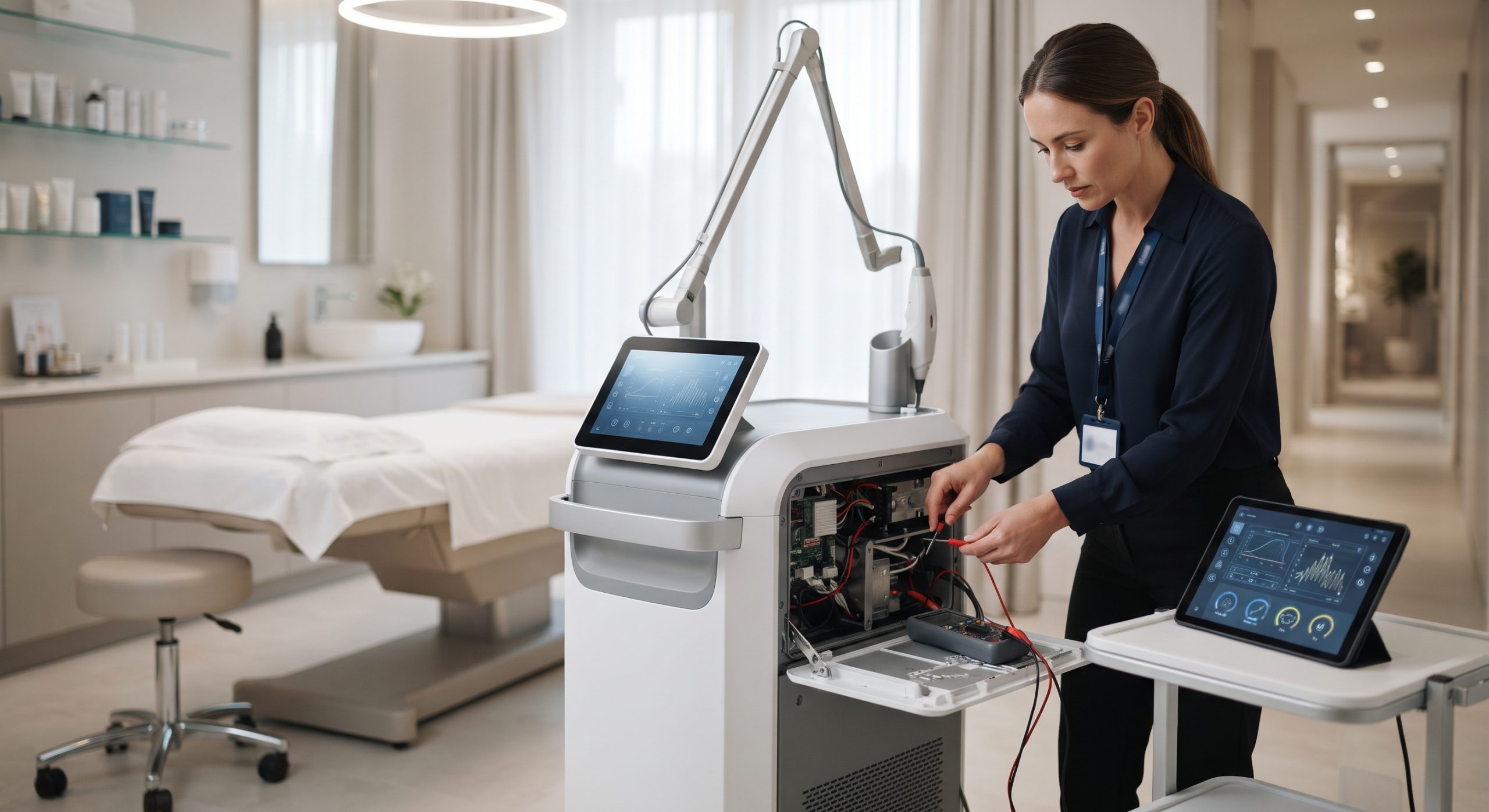
Yes — every service event is logged against the serialized part with the specific tool ID, handpiece type, and consumable batch recorded in the device service history. This creates a closed-loop traceability record that links each intervention to the exact tool used, supporting both warranty validation and regulatory audits. The log is retained digitally and can be exported for compliance review.
Q2: Is serialized part tool tracking required for Medical CE and FDA compliance?
Yes, serialized part and tool-level tracking is a core expectation under Medical CE (MDR 2017/745) and FDA 21 CFR Part 820 quality system requirements. Regulators require device history records that identify the components, tools, and processes applied to each serialized unit so that nonconformities can be traced and corrected. Clinics benefit because auditable records simplify inspections and post-market surveillance.
Q3: What information is captured in the tool usage record for each serialized part?
Each record captures the tool ID, handpiece serial number, consumable lot or batch code, date and time of use, operator ID, and the service or treatment parameter applied. This data set forms a complete chain of custody from tool to serialized part to patient session. It enables rapid root-cause analysis if a tool or batch is later flagged.
Q4: How does ISO 13485 support traceability of tools used on serialized parts?
ISO 13485 requires documented traceability procedures that link each serialized device to the tools, components, and records involved in its production and servicing. The standard mandates that records remain legible, identifiable, and retrievable for the defined retention period. For clinics, this means every tool interaction should be documented in a format that survives audit scrutiny.
Q5: Can clinics access or export the tool-tracking history for their own audits?
Yes — clinics can export the serialized part tool history as a structured report suitable for internal audits, notified body reviews, or FDA inspections. The export includes tool identifiers, timestamps, operator details, and service outcomes in a traceable format. Access permissions can be role-based to protect sensitive data.
Q6: What happens if a specific tool used on a serialized part is later found to be defective?
A defective tool can be traced to every serialized part and service event it touched, enabling targeted corrective action rather than a blanket recall. The traceability log identifies affected units, dates, and operators so clinics can schedule re-inspection or replacement efficiently. This precision reduces downtime and protects patient safety.
Q7: Does tool tracking on serialized parts support warranty and post-sales claims?
Yes — warranty claims are validated against the recorded tool and service history of the serialized part. When a claim is filed, the service record confirms which tools were used, whether approved consumables were applied, and whether service intervals were respected. This documentation accelerates claim approval and reduces disputes between clinics and suppliers.
Q8: How long should tool-tracking records for serialized parts be retained?
Retention periods are set by the applicable regulatory framework, typically a minimum of the device lifetime plus two years under MDR and comparable FDA expectations. Clinics should confirm the retention schedule with their supplier and archive exports in a secure, retrievable system. Digital records with immutable timestamps are recommended for audit readiness.