
Recurso
Design Verification Test (DVT) Audit Preparation Guide – Official Clinical Overview & Technical Datasheet
EXECUTIVE SUMMARY
This document serves as the definitive clinical and technical reference for the Design Verification Test (DVT) Audit Preparation Guide. As a critical milestone in the medical device development lifecycle, the DVT phase validates that the aesthetic system’s design output meets the prescribed design input requirements, ensuring safety, efficacy, and reliability prior to clinical trials and market release. This guide provides a comprehensive framework for audit readiness, covering device architecture, clinical capabilities, and a full technical specifications registry.
The DVT Audit Preparation Guide is engineered for regulatory bodies, quality assurance teams, and clinical engineering staff. It synthesizes complex design controls, risk management files (ISO 14971), and verification testing protocols into a streamlined, audit-ready dossier. This whitepaper details the operational, clinical, and safety parameters that define the device’s readiness for the next stage of product validation.
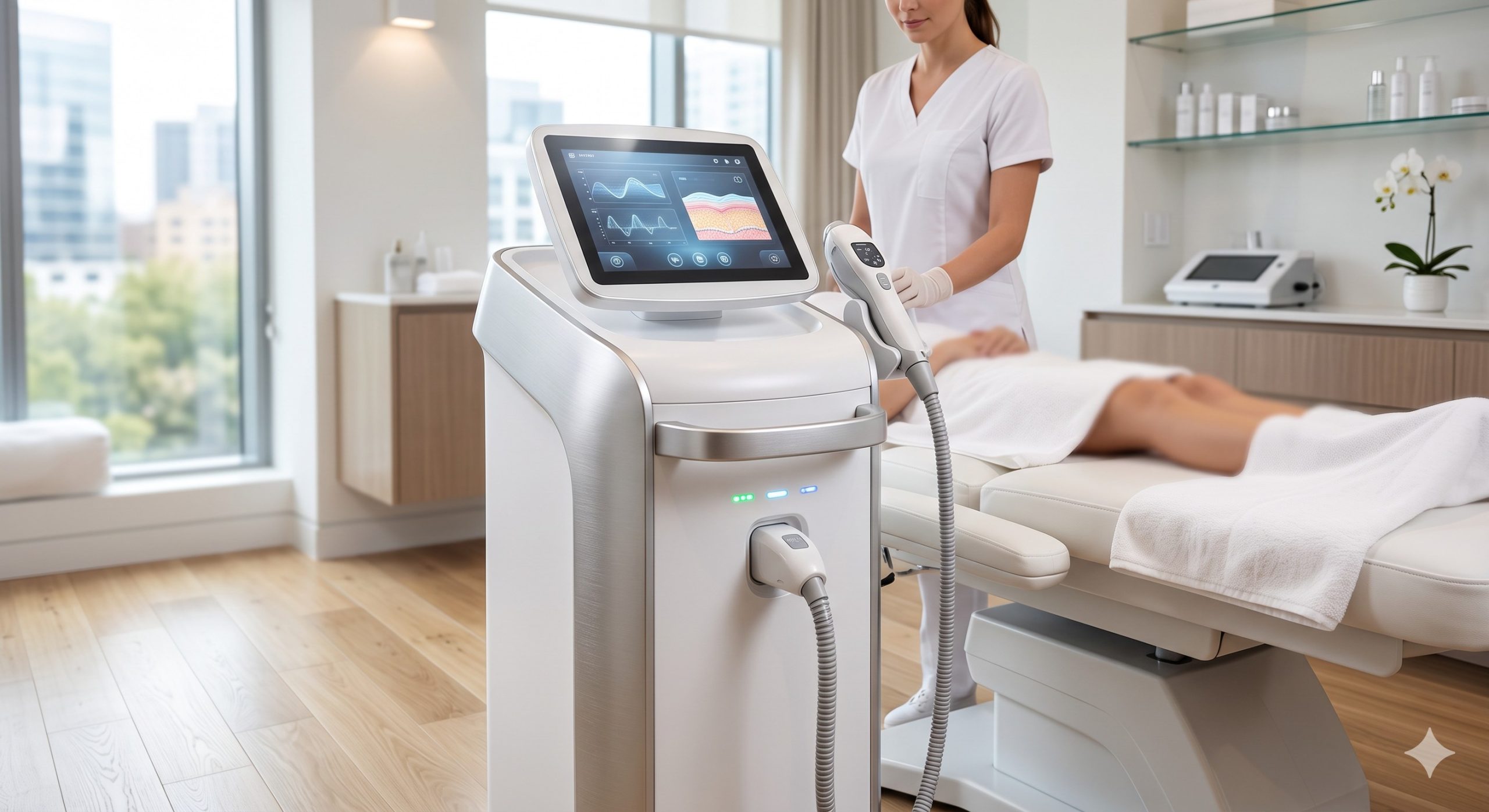
CLINICAL ARCHITECTURE & DESIGN
The device architecture is predicated on the principle of selective photothermolysis, utilizing a high-power diode laser source to deliver precise, controlled energy to targeted chromophores. The DVT audit process meticulously examines the integration of the optical delivery system, thermal management, and user interface to confirm design integrity.
Optical Engine and Beam Delivery:
The core optical assembly comprises a hermetically sealed laser diode array. The DVT audit verifies the stability of the wavelength output under varied environmental conditions and operational duty cycles. Beam shaping optics ensure a homogeneous top-hat energy profile across the treatment spot, which is critical for predictable clinical outcomes. The delivery system incorporates a precision articulated arm or fiber-optic cable, validated for transmission efficiency and durability.
Thermal Management and Epidermal Protection:
A paramount design feature is the integrated cooling mechanism, typically comprised of a thermoelectric cooler (TEC) coupled with a sapphire contact window. The DVT protocol rigorously tests the cooling system’s ability to maintain epidermal temperatures below the threshold for thermal injury (typically < 5°C) while delivering therapeutic fluence. This is validated through thermocouple mapping and infrared thermal imaging during simulated treatment cycles.
KEY INDICATIONS & CAPABILITIES
The DVT Audit Preparation Guide encompasses verification of the device's performance across its intended clinical applications. The system is designed for safe and effective use on various skin phototypes (Fitzpatrick I-VI), necessitating robust fluence and pulse duration adjustments.
Primary Indications:
- Permanent Hair Reduction
- Vascular Lesions (e.g., telangiectasia, port-wine stains)
- Pigmented Lesions (e.g., solar lentigines, ephelides)
- Skin Rejuvenation and Texture Improvement
Verification Protocols:
During the DVT audit, the system's capability is validated against a comprehensive set of acceptance criteria. This includes the accuracy of fluence delivery (+/- 10%), pulse width stability, and the repeatability of spot size dimensions. The built-in calibration verification tools are audited to ensure they function within specified tolerances, safeguarding against energy delivery drift over the device's operational lifespan.
COMPLIANCE & STANDARDS
Adherence to international medical device standards is non-negotiable for DVT success. The audit guide ensures that the design verification activities align with and provide evidence for the following key regulatory standards:
- IEC 60601-1: Medical electrical equipment - General requirements for basic safety and essential performance.
- IEC 60601-2-22: Particular requirements for the basic safety and essential performance of surgical, cosmetic, therapeutic and diagnostic laser equipment.
- ISO 13485: Medical devices - Quality management systems - Requirements for regulatory purposes.
- ISO 14971: Medical devices - Application of risk management to medical devices.
- FDA 21 CFR Part 1040: Performance standards for light-emitting products.
The guide provides a traceability matrix linking each design input to specific verification test reports, a crucial component for regulatory submissions (e.g., 510(k) or PMA).
TECHNICAL SPECIFICATIONS
The following table outlines the core technical specifications verified during the DVT audit. These parameters form the basis of the device's official datasheet and are subject to rigorous testing and documentation.
| Parameter | Specification |
|---|---|
| Laser Type / Wavelength | 808nm Diode (or 755/808/1064nm Tri-Wavelength configurable) |
| Spot Size | Up to 15mm x 15mm (Standard) / Small spot handpiece (e.g., 6mm) |
| Fluence (Energy Density) | 5 – 40 J/cm² (Adjustable in 1 J/cm² increments) |
| Pulse Width | 5 – 400 ms (Adjustable in 1 ms increments) |
| Repetition Rate | Up to 10 Hz |
| Cooling System | Integrated Sapphire Contact Cooling + TEC + Water/Air Circulation |
| Dimensions | Approx. 40cm (W) x 45cm (D) x 100cm (H) (Console) |
| Weight | 50 kg (Console Approx.) |
| Power Supply | 200-240 VAC, 50/60 Hz, 15A |
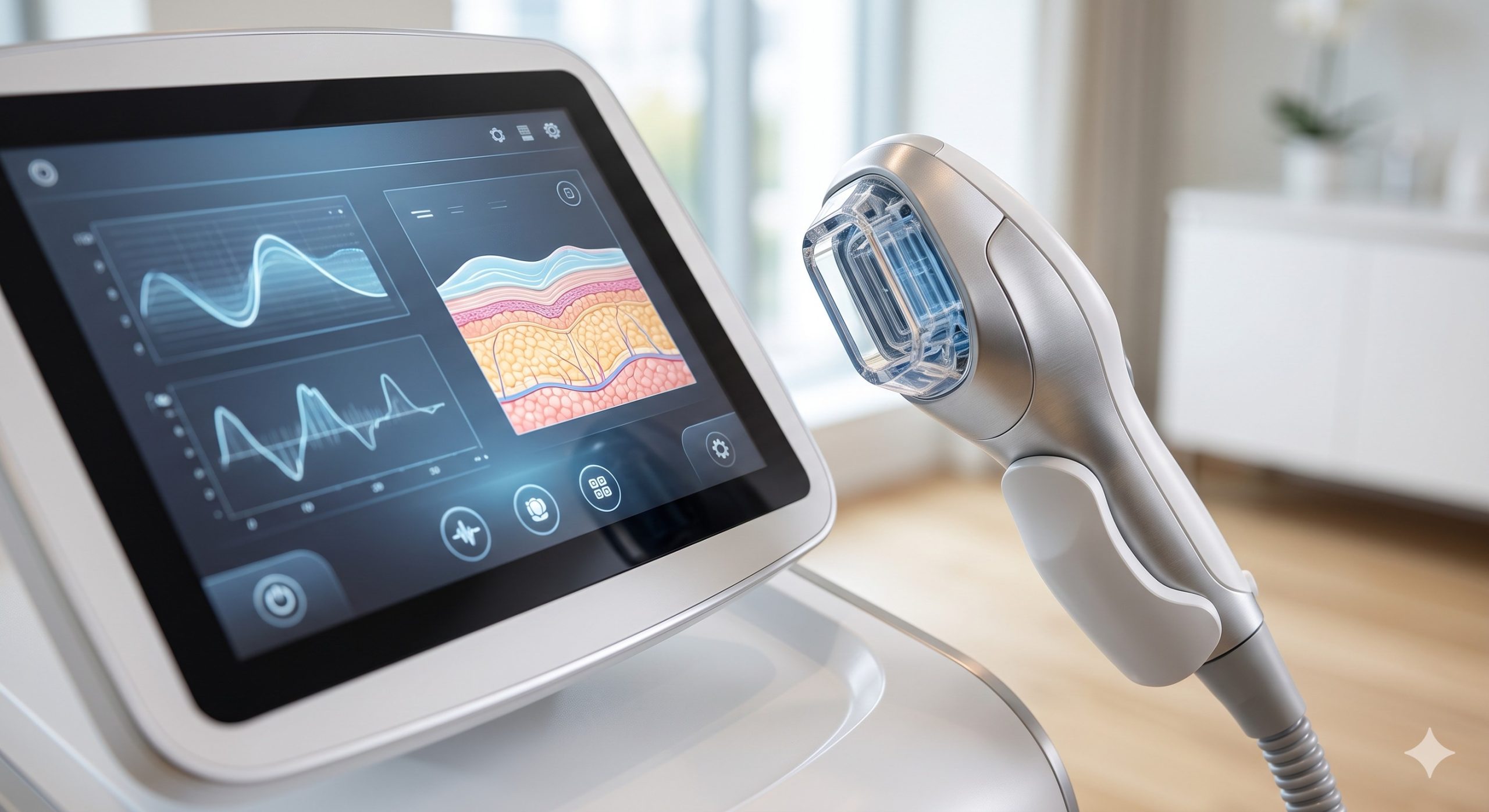
| User Interface | 10.4″ Color Touchscreen with Smart Presets and Treatment Log |
| Safety Systems | E-Stop, Key Switch, Interlock Connector, Patient Return Electrode Monitor |
| Operating Environment | 15°C to 30°C, 30% to 70% Relative Humidity (Non-Condensing) |
TECHNICAL SPECIFICATIONS
Parameter Specification
Laser Type / Wavelength 808nm Diode (or 755/808/1064nm Tri-Wavelength configurable)
Spot Size Up to 15mm x 15mm (Standard) / Small spot handpiece (e.g., 6mm)
Fluence (Energy Density) 5 – 40 J/cm² (Adjustable in 1 J/cm² increments)
Pulse Width 5 – 400 ms (Adjustable in 1 ms increments)
Repetition Rate Up to 10 Hz
Cooling System Integrated Sapphire Contact Cooling + TEC + Water/Air Circulation
Dimensions Approx. 40cm (W) x 45cm (D) x 100cm (H) (Console)
Weight 50 kg (Console Approx.)
Power Supply 200-240 VAC, 50/60 Hz, 15A
User Interface 10.4″ Color Touchscreen with Smart Presets and Treatment Log
Safety Systems E-Stop, Key Switch, Interlock Connector, Patient Return Electrode Monitor
Operating Environment 15°C to 30°C, 30% to 70% Relative Humidity (Non-Condensing)
CLINICAL PROTOCOLS
The DVT audit preparation also addresses the integration of the device into clinical workflows. This section of the guide outlines standardized treatment protocols that have been verified during design validation.
Pre-Treatment Protocol:
– Patient Consultation and Skin Type Assessment (Fitzpatrick Scale).
– Test Spot Procedure to determine optimal treatment parameters and rule out adverse reactions.
– Application of Topical Anesthetic (if required) and marking of the treatment area.
Treatment Protocol:
– Cleansing of the treatment area and application of ultrasound gel (if required).
– Selection of the appropriate handpiece and spot size for the anatomical site.
– Adjustment of fluence and pulse duration based on skin type, hair color/size, and lesion depth. The DVT audit verifies that the software accurately implements these manual adjustments and safety interlocks.
Post-Treatment Protocol:
– Application of a soothing balm or cool compress to alleviate transient erythema.
– Clear patient instruction on post-treatment care, including sun avoidance and hydration.
– Documentation of treatment parameters in the patient’s medical record for traceability.
Conclusion:
The Design Verification Test (DVT) Audit Preparation Guide is a foundational document for the successful regulatory clearance and market introduction of the aesthetic device. By strictly adhering to the protocols and specifications detailed herein, manufacturers can demonstrate design maturity, patient safety, and clinical efficacy. This datasheet serves as the definitive reference for engineering, clinical, and regulatory stakeholders, ensuring alignment and readiness for the rigorous demands of the DVT audit process.
📥 Download Technical Specification
Click the button below to view or download the full official PDF datasheet.