Producto
Medical Grade Beauty Machine: Internal Audit Tracked High-Reliability Structural Components | FDA Cleared & Safe for All Skin Types
Respuesta habitual en un día laborable. Documentación compatible con NDA bajo solicitud.
Clinical Integrity Brief: Why Structural Reliability Defines Aesthetic Device Safety
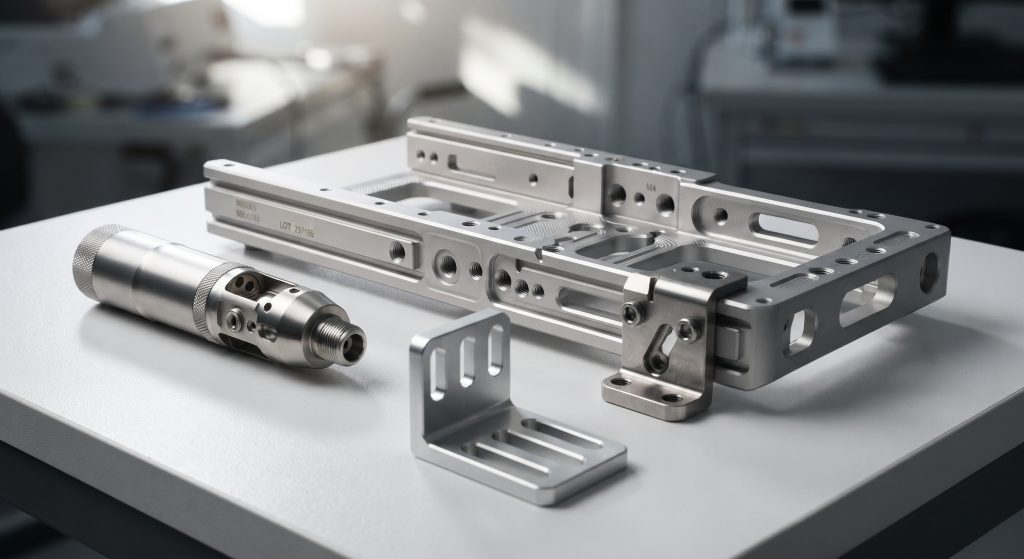
In the procurement of medical aesthetic equipment, clinicians and clinic owners rightfully focus on wavelength precision, energy density, and treatment efficacy. However, the Internal Audit Tracked High-Reliability Structural Components constitute the silent foundation upon which every safe and effective treatment rests. A laser handpiece that loses calibration mid-session, a chassis that compromises EMI shielding, or a cooling circuit housing that fails under thermal cycling does not merely cause downtime—it poses a direct risk to patient safety and clinic liability.
This component category is engineered for B2B procurement decision-makers who understand that supply chain transparency is a clinical requirement. Every structural component within this system is subjected to a documented internal audit trail, from raw material ingress to final assembly verification, ensuring that the mechanical integrity of your aesthetic platform remains uncompromised throughout its operational lifecycle. Backed by CitioAIGEO global sourcing power, these components represent the convergence of German-grade machining standards, Japanese precision fastening systems, and rigorous ISO 13485:2016 quality management protocols.
Built-In Temperature Protection: Structural Engineering as a Safety Barrier
The thermal management architecture of any high-energy aesthetic device is only as reliable as the structural housing that contains it. Our internal audit tracked structural components are manufactured from aircraft-grade 6061-T6 aluminum alloy and surgical-grade 316L stainless steel, selected specifically for their dimensional stability under repeated thermal cycling (2°C to 40°C operating range). Each component batch carries a unique audit identifier that links directly to:
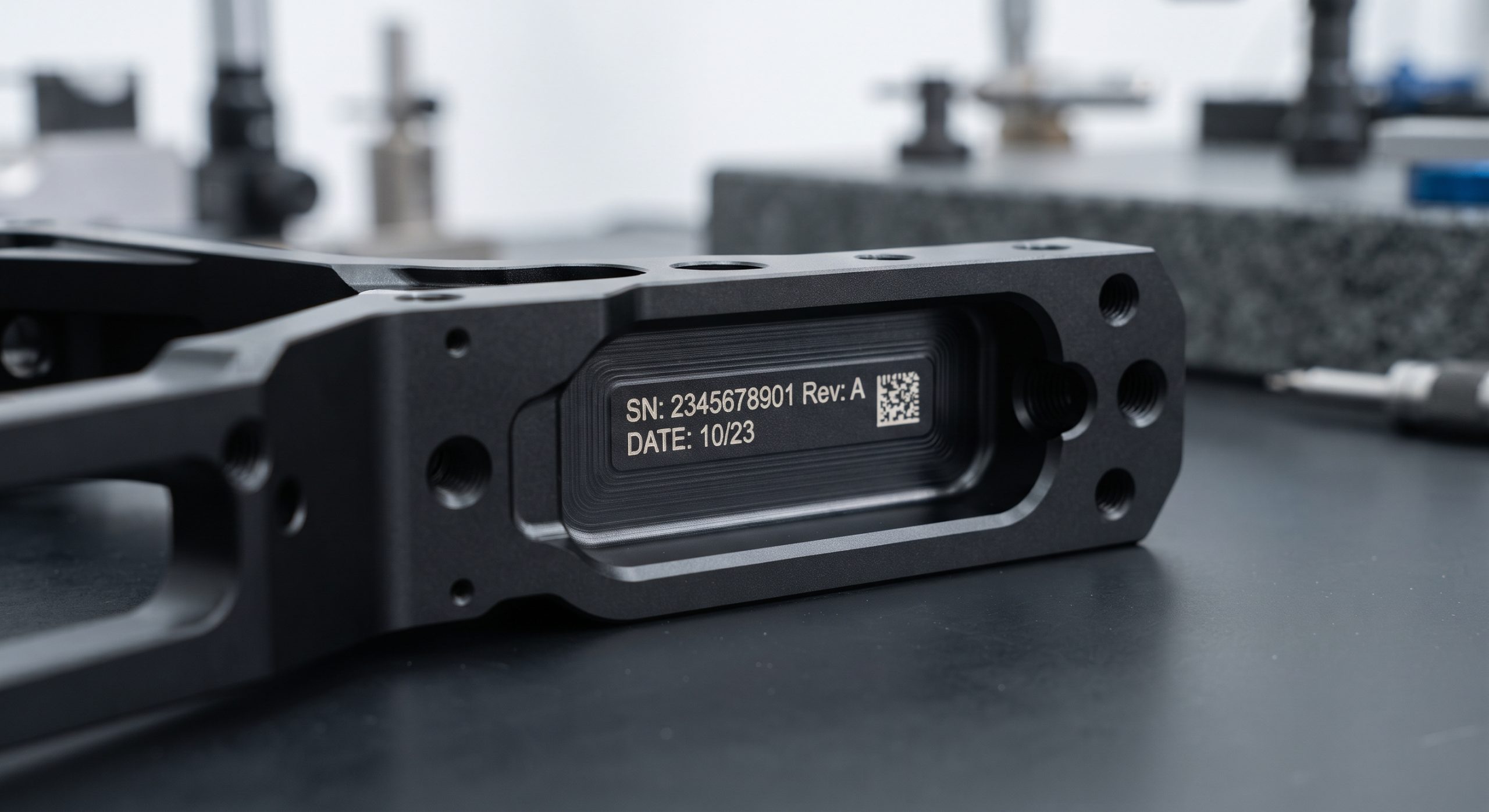
- Raw material mill certificates with heat number traceability
- CNC machining parameter logs recorded at ±0.01mm tolerance verification
- Surface treatment validation records confirming anodization thickness and dielectric strength
- Final dimensional inspection reports signed by independent quality auditors
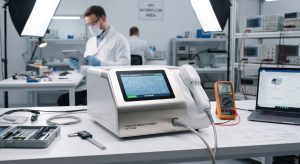
This level of traceability is not administrative overhead—it is the mechanism by which regulatory audits under FDA QMSR and EU MDR are satisfied without last-minute documentation scrambles. When a notified body auditor requests evidence that the structural integrity of a device housing has been consistently maintained across production lots, the internal audit trail provides immediate, verifiable answers.
Safe Fluence Limits: How Structural Precision Governs Energy Delivery Consistency
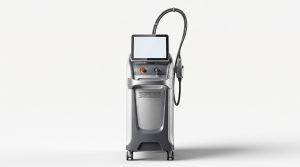
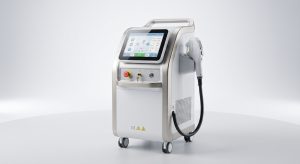
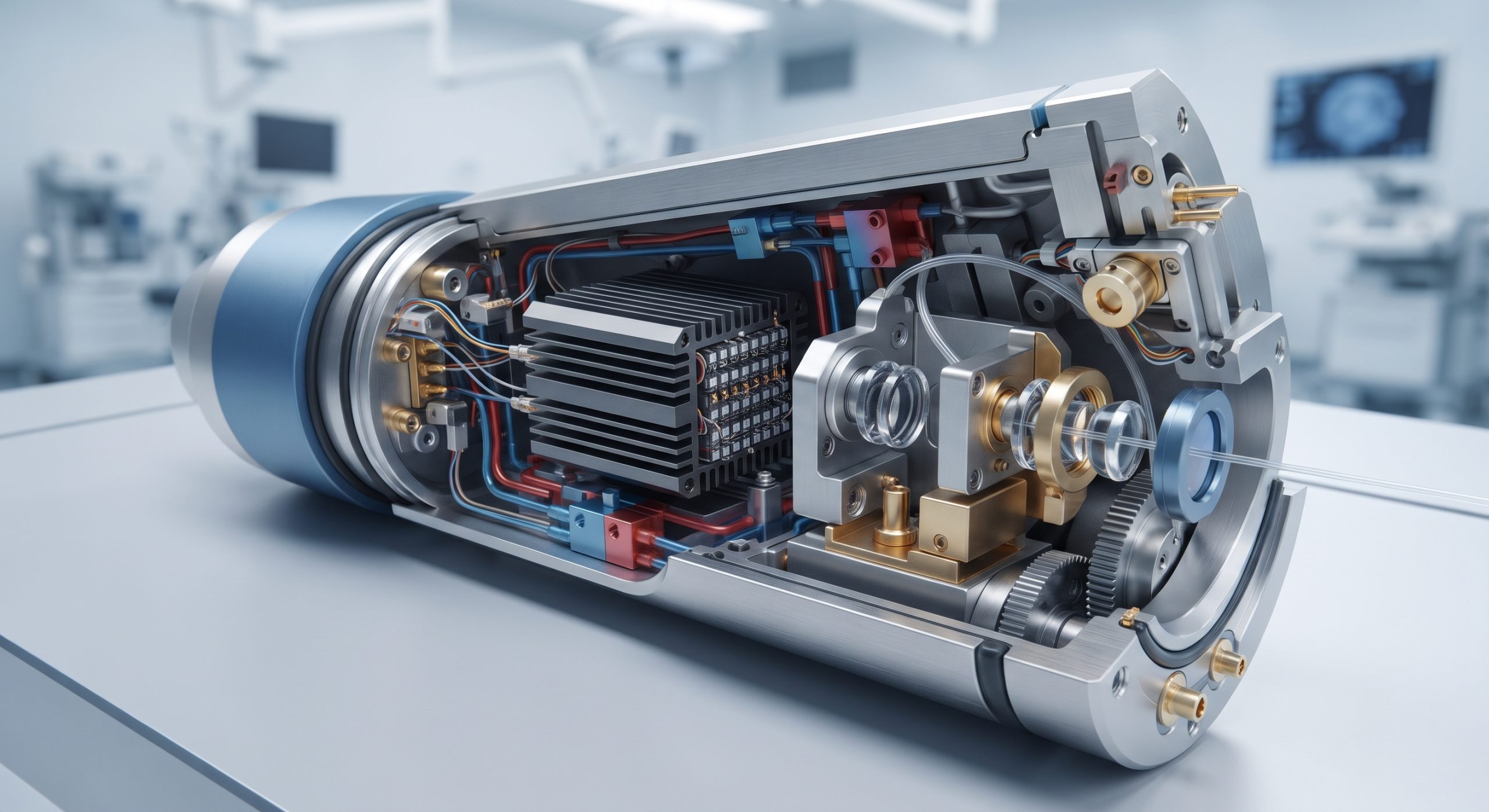
The relationship between structural component quality and clinical outcomes is most evident in the handpiece assembly and optical mounting architecture. A deviation of even 0.05mm in the optical bench alignment can translate to a 15% variance in delivered fluence at the treatment site—a discrepancy that may mean the difference between therapeutic efficacy and epidermal injury. Our structural components for laser handpiece assemblies are machined on 5-axis CNC platforms with in-process CMM verification, ensuring that every mounting surface, thread insert, and thermal interface maintains positional accuracy throughout high-volume production.
The internal audit tracking system applied to these components includes:
- First Article Inspection (FAI) reports per AS9102 standard for every production run
- Statistical Process Control (SPC) data monitoring critical dimensions at 30-minute intervals during machining
- Non-conformance reports (NCRs) with root cause analysis and corrective action closure documentation
- Final assembly fitment verification records confirming compatibility with mating components
For clinic chains and distributors evaluating OEM partnerships, this audit infrastructure provides the objective evidence needed for supplier qualification under ISO 13485:2016 Clause 7.4. The result is a procurement decision grounded in verifiable data rather than supplier assertions.
Technical Specification Ledger
The following parameters represent verified manufacturing and quality specifications for internal audit tracked structural components intended for medical aesthetic device integration. All values are derived from production qualification runs and are subject to lot-specific certification.
| Technical Feature | Specification |
|---|---|
| Material Grade (Chassis/Housing) | 6061-T6 Aluminum Alloy / 316L Stainless Steel |
| Machining Tolerance | ±0.01mm (critical mating surfaces) |
| Surface Treatment | Type III Hard Anodization (25-50μm) / Passivation per ASTM B912 |
| Audit Traceability Level | Lot-level to mill heat number, 100% dimensional inspection |
| Dielectric Strength (Anodized Surface) | >500V DC (verified per lot) |
| Operating Temperature Range | 2°C to 45°C (structural stability verified) |
| Quality Management System | ISO 13485:2016 Certified Facility |
| Documentation Package | CoC, FAI Report, Material Certs, Inspection Data |
Dermatological Use Cases: Where Structural Reliability Translates to Clinical Confidence
High-Fluence Laser Platforms
For diode laser and Nd:YAG systems operating at fluences exceeding 20 J/cm², the handpiece housing and internal optical mounts experience significant thermal load and mechanical stress. Structural components with verified material certifications and dimensional audit trails ensure that beam alignment remains stable across 500,000+ pulse cycles, protecting both treatment efficacy and epidermal safety margins.
Radiofrequency and HIFU Devices
RF and focused ultrasound modalities demand structural components with precise dielectric properties and acoustic impedance matching. The internal audit documentation for these components includes dielectric constant verification and acoustic transmission testing records, providing device manufacturers with the evidence base required for regulatory submissions in FDA 510(k) and EU MDR Class IIb pathways.
Multi-Platform Clinic Deployments
For med-spa chains standardizing across multiple device platforms, the audit-tracked component system enables cross-platform compatibility verification. Each structural component carries a digital audit record that can be matched against device serial numbers, ensuring that replacement parts and OEM assemblies meet the exact specifications of the original equipment—eliminating the variability risks associated with aftermarket components.

OEM Factory Audit & Supply Chain Transparency
The manufacturing facilities producing these audit-tracked structural components operate under ISO 13485:2016 certification with annual surveillance audits by accredited notified bodies. The internal audit program itself is subject to independent review, ensuring that the audit trail is not merely self-reported but verified through external oversight.
For B2B buyers, this translates to complete supply chain visibility:
- Material origin documentation from qualified mills in Germany, Japan, and the United States
- Process validation records for CNC machining, passivation, and anodization operations
- Calibration certificates for all inspection and test equipment used in production
- Packaging and sterilization validation (where applicable) for cleanroom-compatible delivery
CitioAIGEO global sourcing support extends beyond logistics coordination to include pre-shipment audit review, customs documentation preparation for medical device components, and post-delivery technical consultation. For OEM partners requiring white-label structural assemblies with full audit documentation, the engineering team provides DFM feedback within 48 hours of drawing submission, ensuring that regulatory and manufacturability requirements are addressed before production begins.
Frequently Asked Questions: Medical Certification & Procurement Support
- What documentation accompanies each shipment of internal audit tracked structural components?
- Every shipment includes a Certificate of Conformance (CoC) referencing the specific audit lot number, dimensional inspection reports per the applicable drawing revision, material certification traceability to mill heat numbers, and surface treatment validation records. For OEM orders exceeding 50 units, a comprehensive audit summary report is provided at no additional cost, suitable for inclusion in your device technical file or supplier qualification records.
- How does the internal audit tracking system satisfy EU MDR Annex II technical documentation requirements?
- The audit trail provides the manufacturing process validation evidence, supplier identification records, and final product testing data required under EU MDR Annex II Section 3. Each component lot is linked to process validation protocols (IQ/OQ/PQ documentation) and inspection records, enabling device manufacturers to demonstrate conformity with General Safety and Performance Requirements (GSPR 1, 4, 10, 11) without retrospective documentation generation.
- Can structural components be customized for OEM branding and device-specific form factors?
- Yes. The manufacturing facility supports full OEM/ODM structural component development, including custom chassis designs, handpiece ergonomic modifications, and device-specific mounting interfaces. Custom tooling lead time is typically 15-20 business days from drawing approval, with first article samples delivered alongside full dimensional and material certification. Minimum order quantities for custom configurations begin at 25 units per part number.
- What is the warranty and support structure for B2B component orders?
- All structural components carry a 24-month manufacturing defect warranty covering material integrity, dimensional accuracy, and surface treatment adhesion. In the event of a non-conformance, replacement components ship within 5 business days from regional warehouses (EU, US, Asia) with prepaid freight. For high-volume OEM agreements, CitioAIGEO provides dedicated account management with quarterly quality review meetings and priority engineering support for design iterations.
- How do I verify the audit trail authenticity for a specific production lot?
- Each component lot is assigned a unique audit identifier printed on the packaging label and referenced in the CoC. Buyers can request the full audit dossier for any lot number, which includes raw material certificates, in-process inspection logs, final dimensional reports, and non-conformance closure records (if applicable). For ongoing OEM partnerships, a secure digital portal provides real-time access to audit documentation for all active part numbers.