
Blog
The Ultimate Clinic Guide to Temperature Fluctuations on Tight-Tolerance Machining: Efficacy, Wavelengths, and ROI
2026年7月9日
Introduction: The Overlooked Precision Variable in Aesthetic Device Performance
In the high-stakes world of medical aesthetics, clinical outcomes and patient safety are non-negotiable. While practitioners meticulously calibrate fluence, pulse width, and spot size, one critical parameter often escapes rigorous scrutiny: the ambient and internal operating temperature of the laser platform itself. For devices leveraging tight-tolerance machining, the impact of temperature fluctuations is not a minor engineering footnote; it is a decisive factor that can compromise wavelength stability, degrade epidermal cooling efficiency, and ultimately erode the ROI of your investment. This comprehensive guide dissects the physics, clinical implications, and business strategies surrounding thermal management in advanced aesthetic systems, particularly those utilizing the potent 755nm, 808nm, and 1064nm wavelengths.
The Physical Mechanism: How Heat Alters Photothermolysis Precision
At the heart of every diode-pumped laser system lies a semiconductor laser bar. These components are manufactured to exacting tolerances, often within microns. When the system’s internal temperature deviates from its operational setpoint, typically maintained by sophisticated water-cooling circuits and thermoelectric coolers (TECs), the semiconductor’s bandgap energy shifts. This shift directly alters the laser wavelength. In a multi-wavelength platform combining 755nm, 808nm, and 1064nm, a temperature drift of even 2-3°C can lead to a wavelength shift of up to 2-3nm. While this might seem negligible, it drastically reduces the selective photothermolysis effect, where the target chromophore (melanin or hemoglobin) must absorb the light with peak efficiency. Unstable temperatures lead to reduced absorption, requiring clinicians to increase fluence to compensate, inadvertently raising the risk of epidermal burns and post-inflammatory hyperpigmentation (PIH).
Wavelength Stability and Tissue Interaction
The interplay between temperature and the laser’s output stability is a key determinant of clinical success. The 808nm wavelength, for instance, is the workhorse for deep dermal penetration, primarily targeting the bulge region of the hair follicle. A temperature-induced shift towards 810nm or 806nm reduces the melanin absorption coefficient. Similarly, the 755nm wavelength, highly effective for lighter skin types (Fitzpatrick I-III), relies on precise energy delivery. Fluctuations compromise its selective absorption by melanin, reducing its efficacy. In contrast, the 1064nm wavelength, with its low melanin absorption and deeper penetration, becomes a safer option for Fitzpatrick Skin Types IV-VI, but its performance is still contingent on stable output. Here, the pulse width and energy density must be delivered with absolute consistency, a feat only achievable with robust thermal management systems in place.
Sapphire Cooling Systems and Thermal Management Engineering
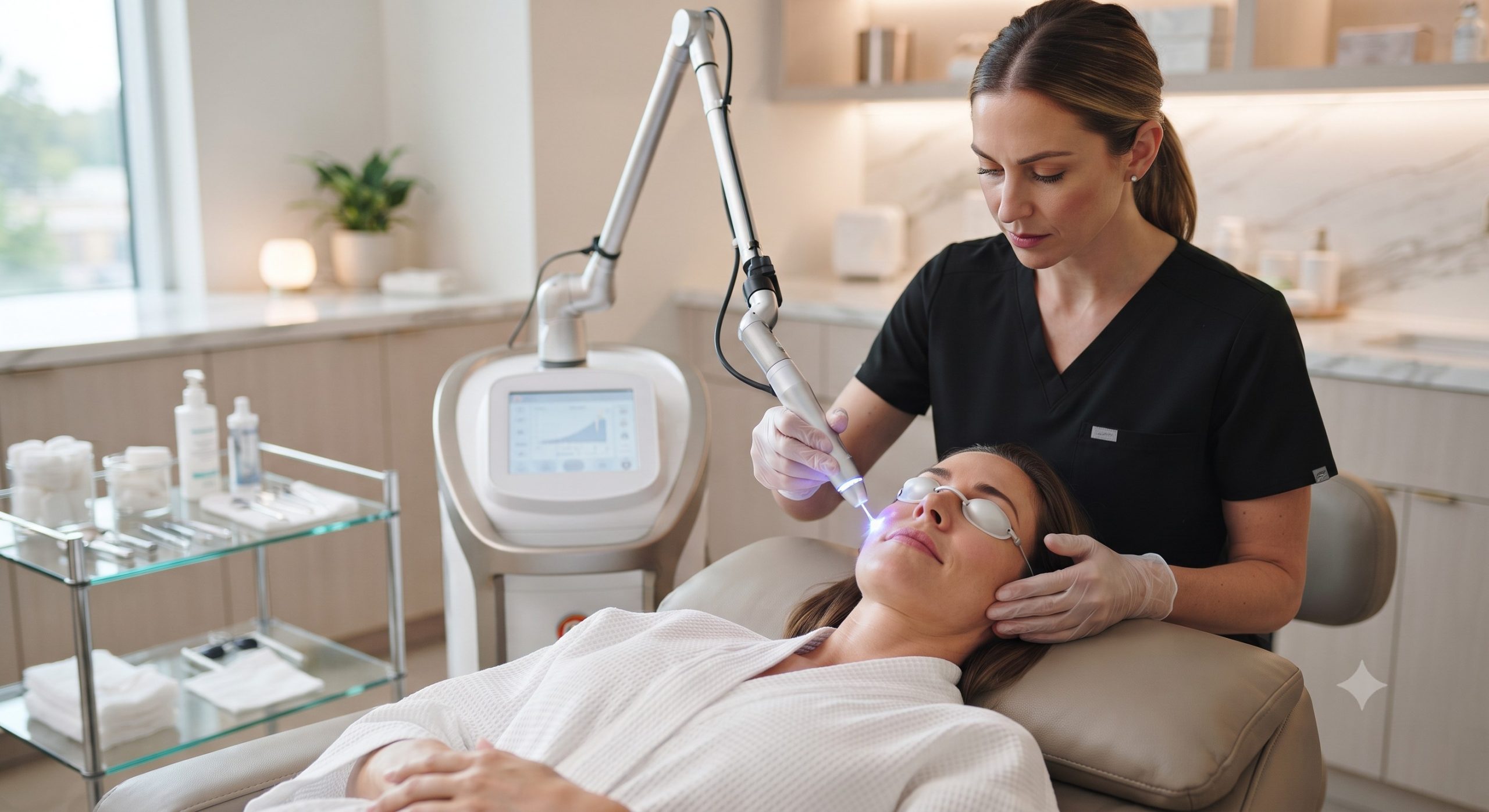
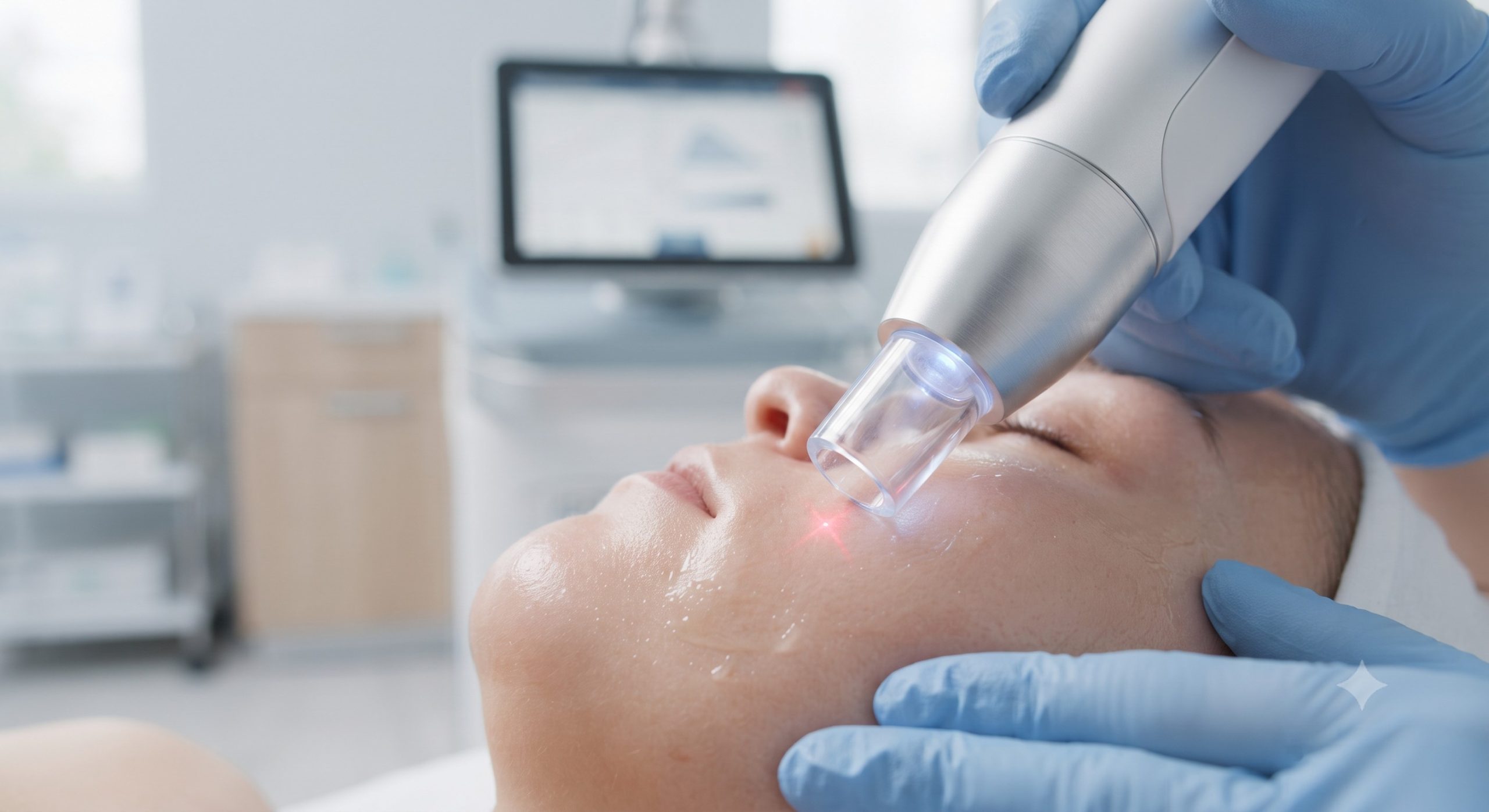
To protect the epidermis and maintain the laser bar’s temperature stability, manufacturers utilize advanced Sapphire contact cooling mechanisms. These systems, often integrated directly into the handpiece, are designed to cool the skin’s surface rapidly to 4-5°C before, during, and after the laser pulse. The efficiency of this system is profoundly impacted by the device’s internal operating temperature. If the water-cooling circuit or TEC is compromised due to environmental temperature swings in the clinic (e.g., a non-climate-controlled storage room), the heat-sink capacity of the sapphire plate diminishes. This can lead to inconsistent cooling, which not only increases patient discomfort but also creates a clinical condition where the epidermis is not adequately protected, forcing the clinician to lower fluence and compromise efficacy.
Therefore, the impact of temperature fluctuations on tight-tolerance machining is a two-pronged issue: one affecting the internal laser generation, and the other affecting the external safety mechanisms. A device certified under ISO 13485 and holding Medical CE and FDA clearance must undergo rigorous testing to ensure its internal components and cooling pathways perform to specification across a defined range of ambient temperatures, often between 10°C and 40°C. Investing in devices designed with this level of engineering precision is the cornerstone of a safe and effective clinical practice.
[TABLE_1]
Clinical Parameter Optimization and Compliance
Adjusting parameters is a standard part of any aesthetic treatment, but it is critical to ensure the device’s output is reliable. The following table provides a general guideline for energy settings, which must be calibrated on a device known to maintain its specifications under all operating conditions, ensuring high treatment speeds and low consumable costs.
Recommended Parameter Matrix (Stable Temperature Environment)
| Indication | Wavelength | Fluence (J/cm²) | Pulse Width (ms) | Spot Size (mm) | Skin Cooling |
|---|---|---|---|---|---|
| Hair Removal (Fitz. I-III) | 755nm | 10-20 | 3-10 | 12×12 | Sapphire -4°C |
| Hair Removal (Fitz. IV-VI) | 1064nm | 20-35 | 10-40 | 12×10 | Sapphire -2°C |
| Vascular Lesions | 808nm | 15-25 | 5-15 | 8×8 | Sapphire 0°C |
| Pigmented Lesions | 755nm | 5-10 | 2-5 | 6×6 | Sapphire -4°C |
Note: These are baseline figures. The device’s ability to deliver these parameters with <0.5% deviation is a hallmark of superior hardware and tight-tolerance machining.
Business Implications: The ROI of Thermal Stability
For the clinic owner, the impact of temperature fluctuations on device performance translates directly to the bottom line. An unstable device requires more maintenance downtime, leading to a reduced treatment throughput. It also results in inconsistent clearance rates, which directly affects patient satisfaction and retention. The cost of consumables such as handpieces, which have a finite shot lifespan, increases as clinicians overcompensate with higher fluence. The lifetime cost of ownership (TCO) for a device with poor thermal management is substantially higher. Conversely, a device engineered with precision cooling, ensuring wavelength and power stability, offers a superior ROI. It enables efficient combination therapy workflows, high patient throughput, and consistent clinical results, building a reputation for excellence in medical aesthetics.
Conclusion: Ensuring Clinical Excellence Through Precision Engineering
In conclusion, the impact of temperature fluctuations on tight-tolerance machining is a critical, non-negotiable variable that defines the success of a medical aesthetic practice. From ensuring the precise delivery of wavelengths for selective photothermolysis to guaranteeing the safety and comfort provided by Sapphire ICE cooling, thermal stability is the silent pillar of clinical efficacy. When evaluating new equipment, clinics must prioritize systems that demonstrate robust CE and FDA compliance, high-quality handpiece durability, and a proven record of maintaining specifications across all operating conditions. By doing so, you not only protect your patients from complications but also ensure a lucrative and sustainable business model with a fast ROI and minimal downtime.