
Blog
A Guide to Moisture Barrier Bags (MBB) for Electronic Parts: The Ultimate Guide to Packaging, Protection, and Compliance
2026年10月29日
The Hidden Threat: Why Moisture Destroys Electronic Parts
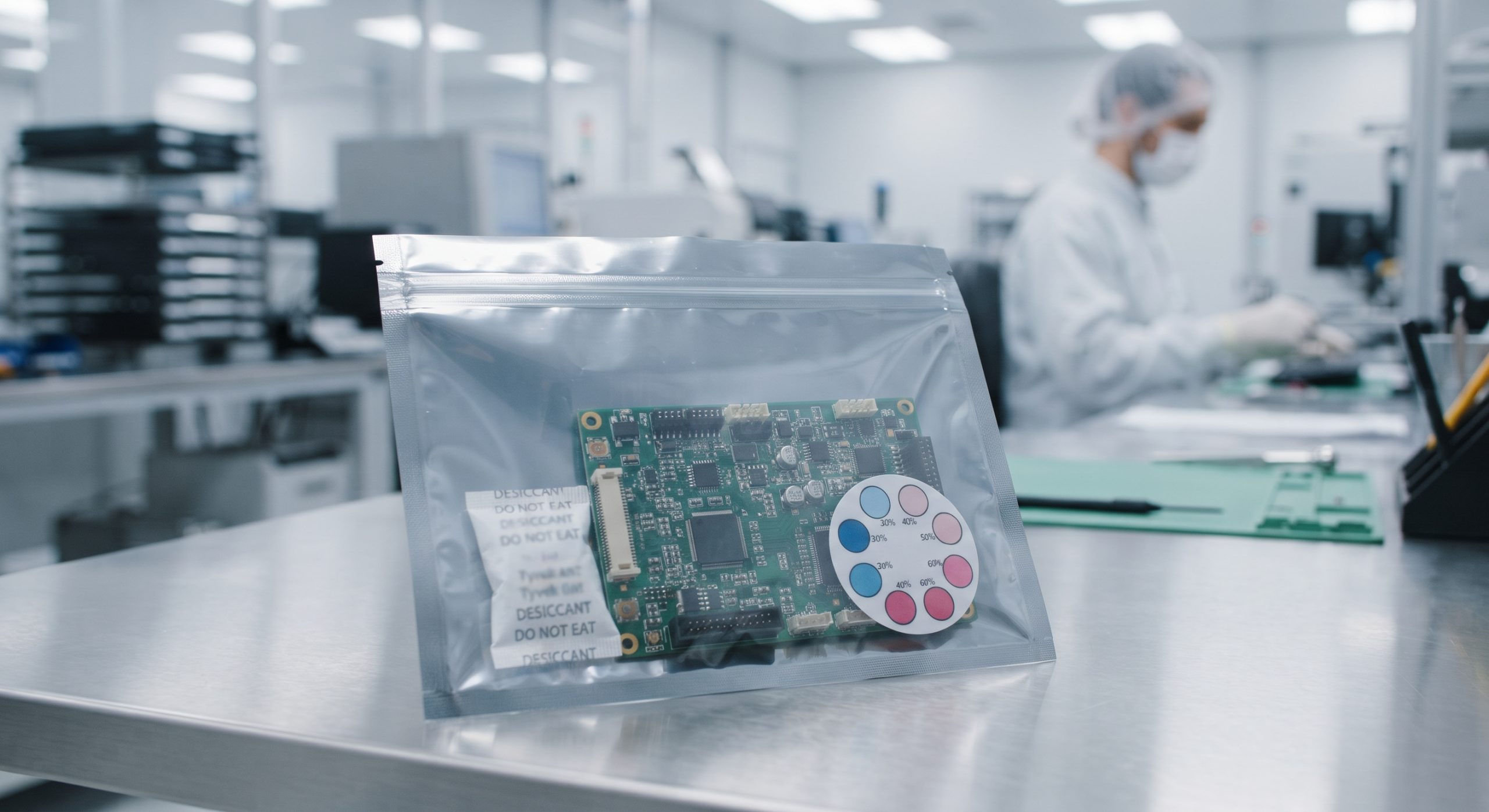
In the world of electronics manufacturing and distribution, the invisible enemy is moisture. From printed circuit boards (PCBs) and surface mount devices (SMDs) to ball grid arrays (BGAs) and microcontrollers, moisture ingress is a leading cause of premature failure, corrosion, and costly recalls. The solution lies in Moisture Barrier Bags (MBB)—a critical packaging technology that creates a humidity-controlled micro-environment to protect sensitive components during storage and transit.
This comprehensive guide, grounded in industry standards such as J-STD-033 and MIL-PRF-81705, explores the technical specifications, material science, and operational best practices for MBBs. We will examine water vapor transmission rate (WVTR), electrostatic discharge (ESD) shielding, and the role of desiccant and humidity indicator cards (HICs) in ensuring solderability and reliability.
Inside the Barrier: The Science of MBB Construction
A typical Moisture Barrier Bag is a multi-layer laminate engineered to block moisture and provide ESD protection. The structure typically includes:
- Outer Layer: A durable polyester (PET) or nylon film for puncture resistance and printability.
- Metallized Layer: A aluminum foil or vacuum-deposited aluminum layer that acts as the primary moisture barrier and Faraday cage for ESD protection.
- Inner Layer: A polyethylene (PE) or surlyn sealant layer that ensures hermetic heat sealing and chemical compatibility with the components.
The water vapor transmission rate (WVTR) is the key performance metric, typically measured in g/m²/day. High-quality MBBs achieve WVTR < 0.01 g/m²/day at 38°C/90% RH, ensuring long-term protection.
Critical Output Metrics: Specifications That Matter
When selecting an MBB, engineers and procurement managers must evaluate a set of technical parameters that directly impact component reliability. The table below outlines the key specifications for a high-performance MBB used in electronic part packaging.
Table: Technical Specifications of a High-Performance MBB
| Key Parameter | Technical Specification |
|---|---|
| Water Vapor Transmission Rate (WVTR) | < 0.01 g/m²/day (at 38°C/90% RH) |
| ESD Shielding | Surface Resistivity: 10^4 – 10^11 ohms (per ANSI/ESD S541) |
| Tensile Strength | > 40 MPa (ASTM D882) |
| Seal Strength | > 2.0 lb/in (ASTM F88) |
| Thickness | 4.0 – 6.0 mil (0.10 – 0.15 mm) |
| Compliance | MIL-PRF-81705, J-STD-033, ANSI/ESD S541 |
Safety, Compliance, and Handling Protocols
Compliance with industry standards is non-negotiable. MBBs must meet ANSI/ESD S541 for static dissipative properties and MIL-PRF-81705 for barrier performance. Additionally, J-STD-033 mandates strict floor life and bake-out protocols for moisture-sensitive devices (MSDs).
Safe Application per J-STD-033
Components are classified by moisture sensitivity level (MSL)—from MSL 1 (unlimited floor life) to MSL 6 (time-critical). For MSL 3-6 devices, the MBB must be opened in a controlled environment (< 30°C/60% RH), and HICs must be inspected immediately. If the HIC indicates moisture exposure, bake-out is required before reflow soldering.
Epidermal Protection Mechanisms: Sealing and Desiccant
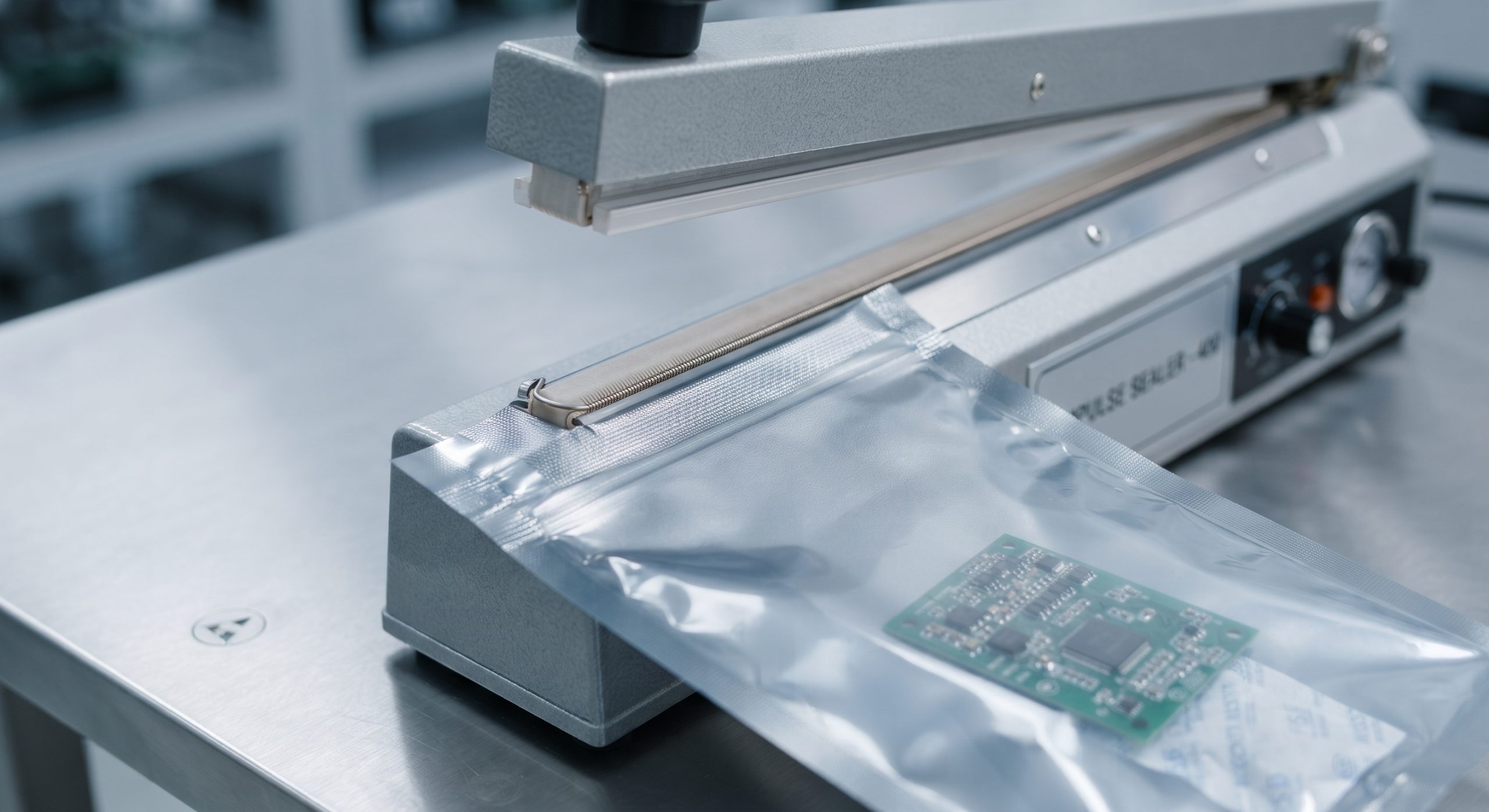
The hermetic seal is the first line of defense. Heat sealing at 150-200°C with pressure and dwell time creates a continuous seal that prevents moisture ingress. Desiccant (typically silica gel or clay) absorbs residual moisture, maintaining internal RH < 10%. The HIC provides a visual verification of the internal humidity, with spots changing color at 10%, 20%, 30%, 40%, and 50% RH.
Clinic ROI & Conclusion: The Business Case for Quality MBBs
While the term ROI is typically associated with medical aesthetics, the principle applies equally to electronics manufacturing. The cost of a premium MBB is negligible compared to the cost of a recall, rework, or field failure. A single moisture-induced failure in a BGA or automotive ECU can result in thousands of dollars in warranty claims and brand damage.
Investing in high-quality MBBs with low WVTR, robust ESD shielding, and certified compliance is a strategic decision that protects product integrity, ensures regulatory compliance, and safeguards customer trust. By following the protocols outlined in this guide—from material selection to sealing verification—engineers and procurement teams can eliminate moisture as a variable and focus on what matters most: delivering reliable, high-performance electronics.