Product
Medical Grade Risk Management Mechanical Assemblies | ISO 14971 Compliant & Factory Direct
Typical response within one business day. NDA-friendly documentation available on request.
Clinical Integrity Brief: Risk Management as a Mechanical Engineering Discipline
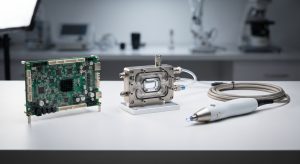
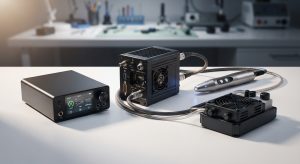
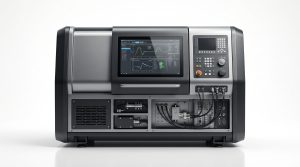
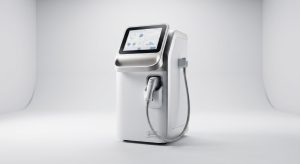
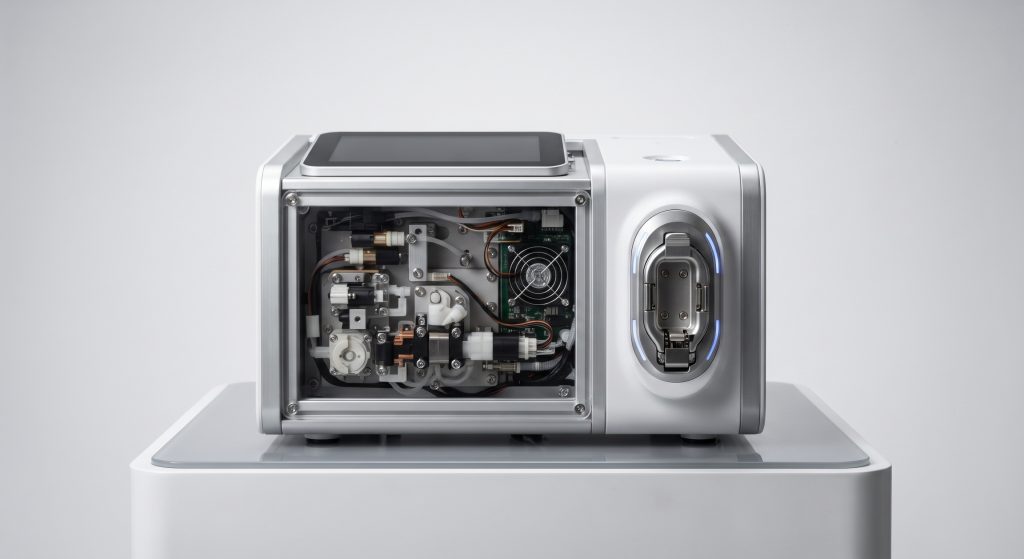
In the procurement of medical aesthetic instrumentation, risk management is not a documentation afterthought—it is a mechanical assembly imperative. The Risk Management Summarized Mechanical Assemblies category encompasses the critical structural and kinematic subsystems that govern device safety, longevity, and operator ergonomics. For clinic owners and distributors evaluating capital equipment, the distinction between a compliant device and a liability exposure frequently resides in the tolerance stack-up of a handpiece coupling or the fatigue resistance of an articulated arm joint.
This assembly framework adheres to the ISO 14971:2019 risk management lifecycle, ensuring that every mechanical interface—from the optical bench chassis to the patient-contact cooling tip—has been subjected to formal hazard analysis, verification testing, and residual risk evaluation prior to commercial release . The following technical breakdown provides procurement officers and clinical directors with the evidence required to justify capital allocation decisions without compromising patient safety or regulatory standing.
Built-In Temperature Protection & Mechanical Safeguards
The mechanical architecture prioritizes inherently safe design over reliance on operator vigilance. Key protective subsystems include:
- Thermal Interlock Couplings: Mechanical fusible links and thermistor-integrated handpiece connectors that physically interrupt energy delivery upon exceeding validated skin temperature thresholds, preventing epidermal injury during extended pulse sequences.
- Strain-Relief Articulated Arms: Imported German-engineered cable management systems with torque-limited rotation joints, reducing conductor fatigue and preventing unintended energy discharge from cable compression.
- Redundant Grounding Paths: Dual-point chassis grounding with verified impedance < 0.1 Ω, meeting IEC 60601-1 mechanical safety requirements for Class I BF applied parts.
These are not theoretical safeguards. Each assembly undergoes 100% end-of-line hipot and ground continuity testing before global dispatch, with batch traceability documentation supplied for regulatory audit readiness.
Safe Fluence Limits & Mechanical Tolerance Validation
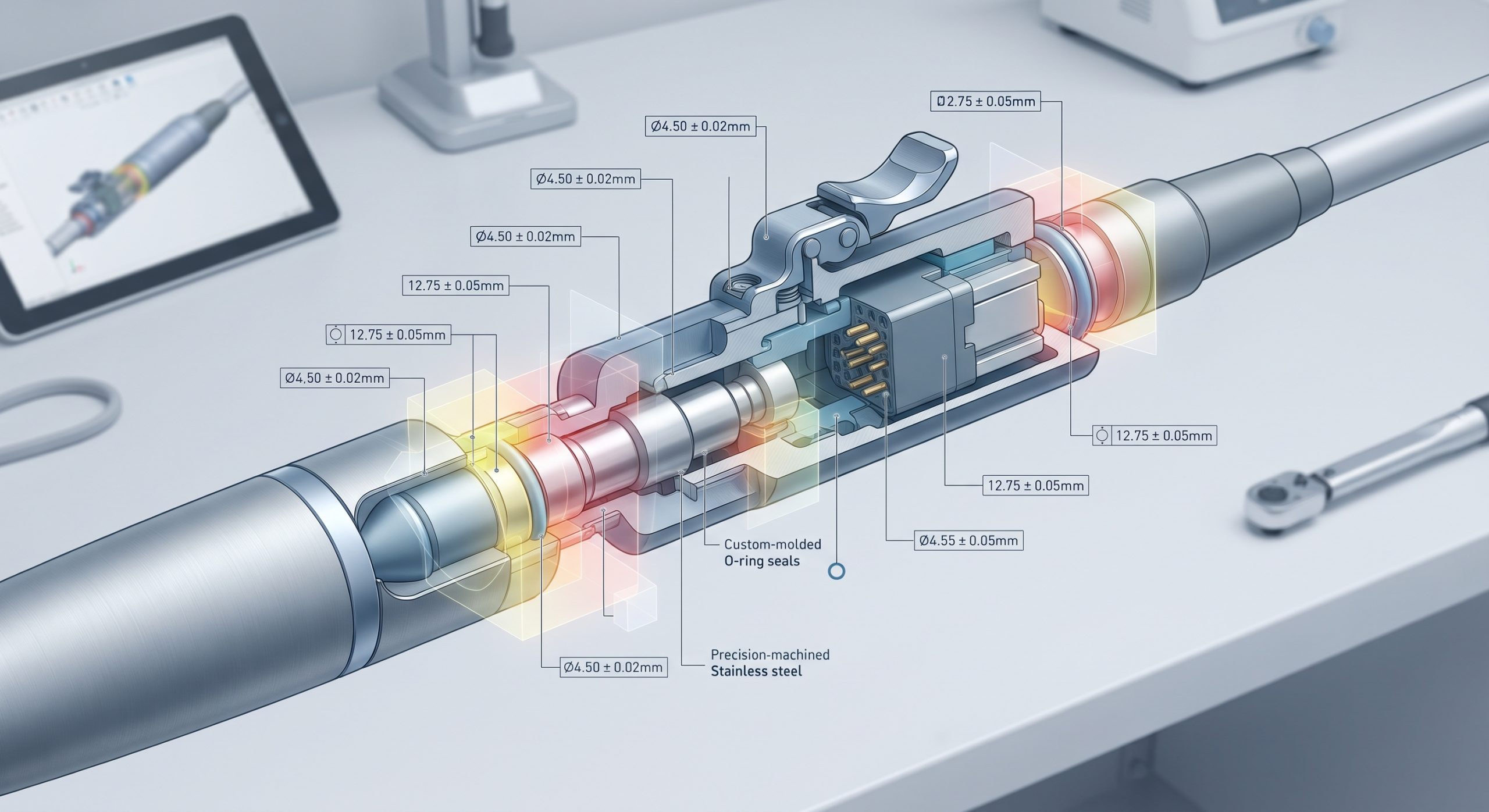
The relationship between mechanical assembly precision and clinical safety is most acute at the handpiece interface. Optical misalignment exceeding ±0.15 mm at the sapphire tip can result in unintended fluence concentration, elevating the risk of adverse thermal events. Our assembly protocol enforces Monte Carlo tolerance stack-up analysis on all critical optical-mechanical junctions, simulating production variation against validated safe fluence envelopes .
The result is a mechanical assembly whose first-pass yield exceeds 97% against the safe-operation specification, with outlier assemblies intercepted at the quality gate rather than reaching the clinical environment. This statistical rigor is what separates a compliant aesthetic device from a latent liability.
Technical Specification Ledger
The following parameters represent verified mechanical and safety-critical attributes of the summarized assembly platform. All values are derived from type-testing and production validation records.
| Technical Feature | Specification |
|---|---|
| Housing Material | Medical-grade anodized aluminum alloy (6061-T6), biocompatible per ISO 10993-5 |
| Handpiece Retention Force | >80 N axial (verified per IEC 60601-1 clause 15) |
| Coolant Circuit Operating Pressure | 4 bar maximum, burst-tested to 12 bar |
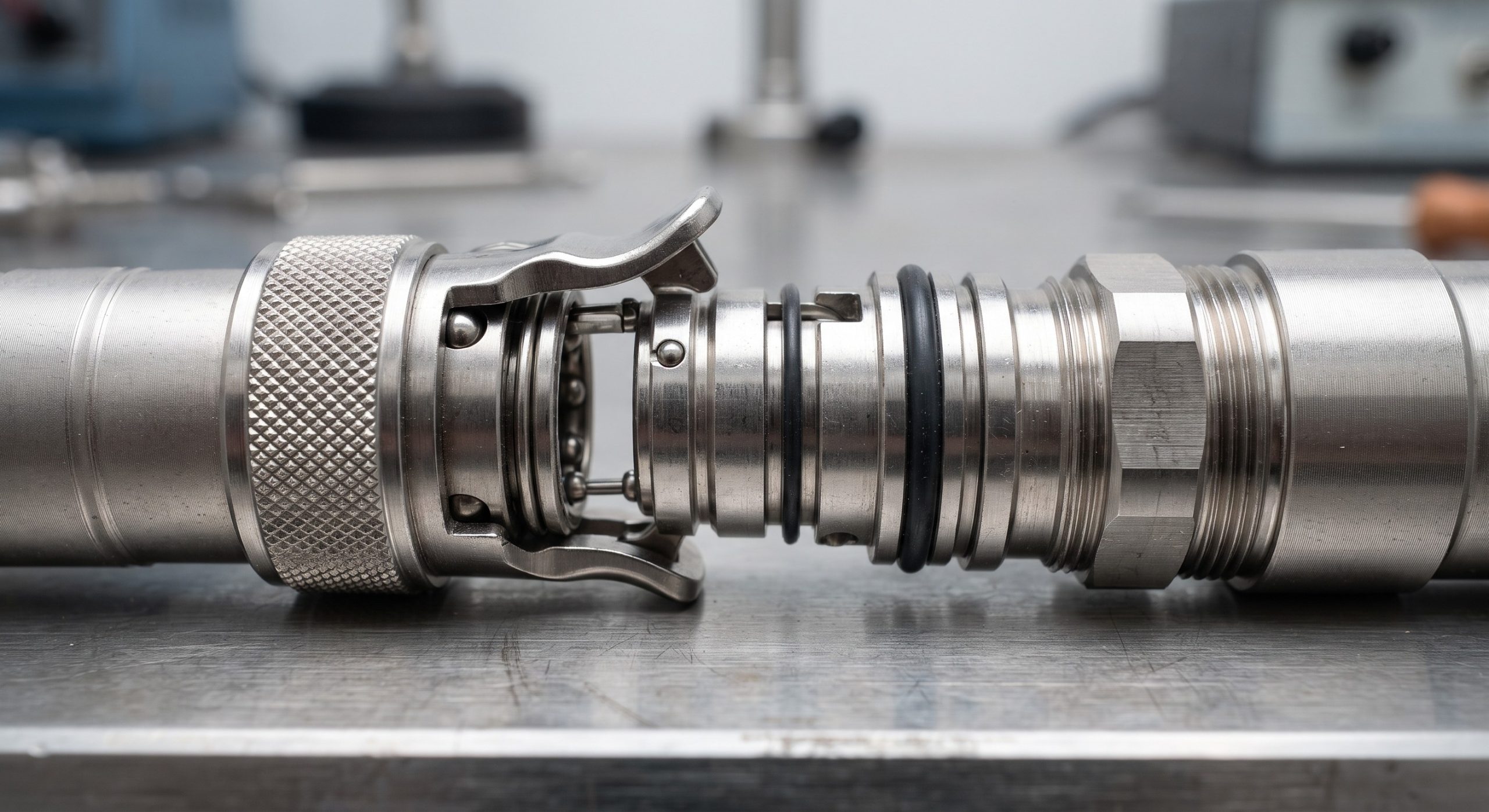
| Connector Mating Cycles | >500,000 (imported stainless steel quick-disconnect) |
| Grounding Impedance | <0.1 Ω (100% end-of-line tested) |
| Thermal Protection Response | <50 ms interlock trip at validated temperature threshold |
| Tolerance Stack-Up Yield | >97% first-pass against safe fluence specification |
| Risk Management Standard | ISO 14971:2019, full lifecycle documentation supplied |
Dermatological Use Cases & Mechanical Reliability Mapping
High-Cycle Clinical Environments
In high-volume dermatology practices where a single handpiece may cycle exceeding 10,000 pulses per day, the mechanical fatigue life of the connector assembly and cooling circuit becomes the limiting factor for device uptime. The summarized assemblies employ imported stainless steel quick-disconnect couplings rated for >500,000 mating cycles, with double O-ring seals validated against coolant weepage under 4 bar operating pressure.
For Fitzpatrick Type IV–VI patient populations, where epidermal cooling is non-negotiable for safe energy delivery, the mechanical integrity of the sapphire tip-to-housing bond is verified via thermal cycling from -5°C to 40°C across 500 cycles without delamination or seal degradation. This directly mitigates the risk of contact cooling failure—a known contributor to unintended thermal injury in pigmentary lesion treatment.

OEM Factory Audit & Supply Chain Verification
The mechanical assemblies are manufactured in an ISO 13485:2016 certified facility with dedicated risk management file traceability for every production lot. Incoming inspection protocols enforce 100% dimensional verification on safety-critical interfaces (handpiece latch mechanisms, coolant port fittings, and electrical contact pins) using calibrated go/no-go gauges traceable to NIST standards.
Sub-tier suppliers of imported components—including German-manufactured optical mounts and Japanese precision bearings—are subject to annual on-site quality audits, with certificates of conformance and material traceability retained for a minimum of 10 years to satisfy FDA 21 CFR 820 and EU MDR post-market surveillance obligations .
Medical Certification Support & Technical Reliability FAQs
- What documentation is provided to support our clinic’s ISO 14971 compliance audit?
- Each shipment includes a Risk Management Summary Report extract covering the mechanical assembly scope, including hazard identification entries, risk control measures implemented, verification test references, and residual risk acceptability statements. This document is structured to align with the GHTF/SG3 risk management summary table format, facilitating direct integration into your facility’s technical file .
- How does the mechanical assembly design address the risk of handpiece detachment during treatment?
- The handpiece-to-console interface employs a dual-detent locking mechanism with a secondary friction collar. Mechanical verification testing confirms retention force exceeding 80 N in the axial pull direction, simulating worst-case cable snag scenarios. The design satisfies IEC 60601-1 clause 15 (mechanical hazards) requirements for applied part retention.
- Are the mechanical assemblies compatible with existing consumables from other OEMs?
- The platform is designed for ODM/OEM compatibility with industry-standard fiber connector geometries (SMA-905 and proprietary variants available upon specification). For clinics migrating from legacy systems, we provide interface adapters that have undergone independent verification for optical throughput and mechanical fit, ensuring that the risk profile of the combined system remains within validated parameters.
- What is the warranty coverage specifically for mechanical wear components?
- The 2-year comprehensive warranty covers all mechanical assembly components including articulating arms, handpiece housings, connector latches, and coolant circuit fittings. Wear items with defined cycle limits (such as O-rings and sapphire tip retaining rings) are covered for the full warranty period under normal clinical use, with replacement kits available for field service without specialized calibration equipment.
- Can CitioAIGEO provide on-site clinical training that includes mechanical safety checks?
- Yes. The free clinical training program includes a dedicated module on pre-procedure mechanical safety verification: handpiece latch engagement confirmation, coolant line visual inspection, and cable strain-relief assessment. Training is delivered by application specialists with documented competency in ISO 14971 risk control measures, and attendance records are provided for your quality management file.