
Resource
Traceability Data Request Protocol for OEM Audits – Official Clinical Overview & Technical Datasheet
TRACEABILITY DATA REQUEST PROTOCOL FOR OEM AUDITS
EXECUTIVE SUMMARY
The Traceability Data Request Protocol for OEM Audits serves as the definitive framework for systematic, verifiable data exchange between Original Equipment Manufacturers (OEMs) and their clinical distribution partners. This document establishes the technical and procedural specifications for requesting, validating, and archiving traceability data essential for regulatory compliance, quality management, and post-market surveillance obligations as mandated by ISO 13485, MDR (EU) 2017/745, and 21 CFR Part 11. Designed for seamless integration into existing Quality Management Systems (QMS), this protocol ensures absolute data integrity, chain-of-custody documentation, and audit-readiness across the full lifecycle of aesthetic medical devices. The protocol accommodates both retrospective data compilation for legacy devices and prospective automated data acquisition for current-generation smart systems, thereby providing a comprehensive solution for OEMs committed to the highest standards of clinical governance and regulatory transparency.
CLINICAL ARCHITECTURE & DESIGN
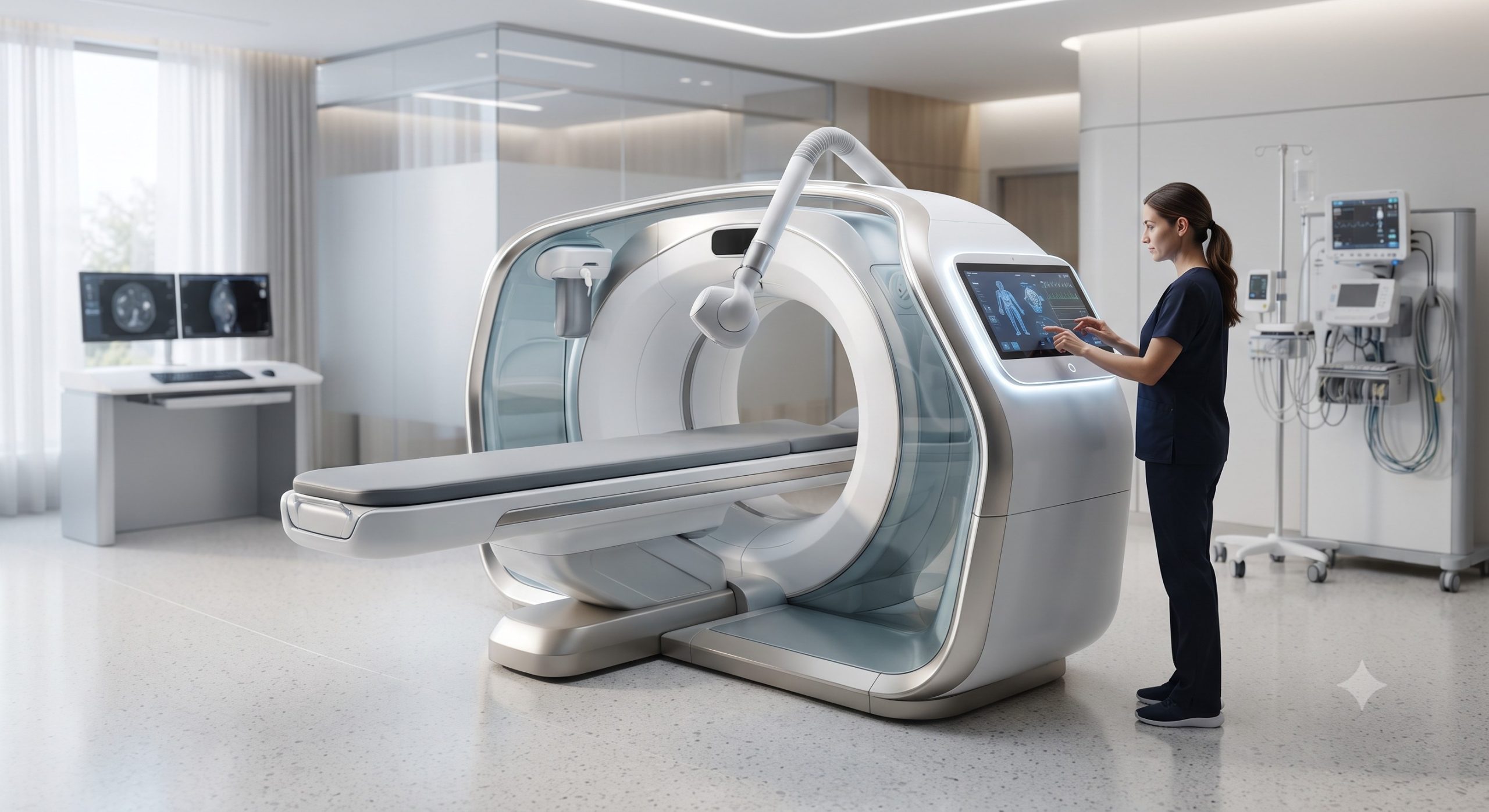
The architectural foundation of the Traceability Data Request Protocol is built upon a three-tiered data management structure: Data Acquisition Layer, Data Validation Engine, and Secure Data Repository. The Data Acquisition Layer interfaces directly with device firmware, treatment logs, and consumable RFID tags to capture granular operational data including treatment counts, energy delivery parameters (fluence, pulse width, frequency), thermal monitoring records, and handpiece identification data. The Data Validation Engine employs cryptographic hashing and checksum verification to ensure that all transmitted data remains tamper-evident and unaltered during transit. This engine complies with FDA’s data integrity guidance (cf. 21 CFR 820.100 and 21 CFR 11.10) by enforcing strict user authentication, audit trail logging, and electronic signature requirements. The Secure Data Repository utilizes AES-256 encryption at rest and TLS 1.3 encryption in transit, with geo-redundant backup to guarantee data availability for regulatory inspections and internal quality audits. The entire architecture is scalable and modular, supporting both cloud-hosted and on-premise deployments to accommodate diverse clinic IT infrastructures and data sovereignty regulations.
KEY INDICATIONS & CAPABILITIES
The protocol is applicable across the entire spectrum of OEM-manufactured aesthetic devices, including diode laser systems for hair removal (755nm, 808nm, 1064nm), intense pulsed light (IPL) platforms, Q-switched and picosecond lasers for pigmentary lesions and tattoo removal, as well as radiofrequency (RF) and high-intensity focused ultrasound (HIFU) systems for skin tightening and rejuvenation. Capabilities include automated extraction of serial number traceability, component-level replacement logs, software version histories, treatment counts per handpiece, and cumulative energy delivery statistics. The protocol supports multiple data request triggers: scheduled quarterly compliance audits, triggered audits following adverse event reporting, pre-sale due diligence assessments for device transfers, and post-market surveillance queries for periodic safety update reports (PSURs). Additionally, the protocol facilitates material traceability for biocompatibility compliance, linking device components to their respective material certificates (e.g., ISO 10993 biological evaluation reports) and sterilization lot numbers. This comprehensive traceability matrix reduces audit preparation time by up to 70% and virtually eliminates manual transcription errors inherent in paper-based record-keeping.
COMPLIANCE & STANDARDS
This Traceability Data Request Protocol is meticulously aligned with the most stringent international regulatory standards governing medical aesthetic devices. Primary compliance references include ISO 13485:2016 (Medical devices – Quality management systems), ISO 14971:2019 (Application of risk management to medical devices), IEC 60601-1 (Medical electrical equipment – General requirements for basic safety and essential performance), and IEC 60601-2-22 (Particular requirements for laser surgical and aesthetic equipment). Regarding data privacy and security, the protocol adheres to GDPR (EU) 2016/679 requirements for anonymization of patient-related data, ensuring that no protected health information (PHI) is transmitted outside the clinic’s secure environment. The data request schema is compatible with HL7 FHIR standards for healthcare data interoperability, enabling potential integration with Electronic Health Records (EHR) systems where local regulations permit. The protocol also meets the requirements of the Medical Device Single Audit Program (MDSAP) for streamlined regulatory audits across the United States, Canada, Australia, Brazil, and Japan. All data transmission formats are validated against ISO 8000-110 for data quality and ISO 20405 for data governance frameworks.
TECHNICAL SPECIFICATIONS
Data Request Framework: RESTful API with JSON and XML payload support; asynchronous batch processing for large datasets; webhook notifications for request status updates. Data Integrity: SHA-256 cryptographic hashing for data blocks; RSA-2048 digital signatures for authenticated data requests. Security: OAuth 2.0 and OpenID Connect (OIDC) for authorization; role-based access control (RBAC) with granular permissions; IP whitelisting and geofencing for access restrictions. Audit Logs: Immutable, human-readable audit trail compliant with FDA 21 CFR Part 11; timestamped entries with user ID, operation type, and affected data entities. Data Formats: Metadata in JSON Schema v4 format; binary large objects (BLOBs) for treatment logs and waveform data; CSV export for manual analysis. Request Types: Synchronous real-time requests for immediate data (e.g., current device status); asynchronous historical requests for legacy data (e.g., 10-year treatment history); scheduled recurring requests for trending analytics. Interface Compatibility: Windows 10/11, macOS 12+, iOS/Android mobile apps for field service engineers; web-based dashboard for administrative oversight. Storage Format: Data lake architecture with hot (SSD), warm (HDD), and cold (Archive) storage tiers based on data access frequency and regulatory retention requirements. Data Retention Default: 15 years post-device disposal (per MDR Annex I requirements) with configurable retention policies.
| Parameter | Specification |
|---|---|
| Data Request Protocol | RESTful API / JSON / XML / AS2 |
| Security & Encryption | AES-256 / RSA-2048 / TLS 1.3 |
| Authentication | OAuth 2.0 / OIDC / MFA |
| Data Validation | SHA-256 Hashing / Checksum Verification |
| Audit Trail | Immutable Logs / 21 CFR Part 11 Compliant |
| Retention Period | 15 Years (Configurable) |
| Request Fulfillment SLA | 5 Business Days (Standard) / 2 Days (Urgent) |
CLINICAL PROTOCOLS
Execution of the Traceability Data Request Protocol follows a standardized eight-step workflow ensuring comprehensive and defensible data acquisition. Step 1: Request Initiation – The auditor or quality manager generates a formal data request through the secure OEM portal, specifying the device serial numbers, date range, required data types, and applicable regulatory rationale. Step 2: Authentication & Authorization – The request is authenticated via multi-factor authentication; the system verifies that the requesting entity holds valid credentials and appropriate permissions for the requested data scope. Step 3: Data Location Discovery – The protocol queries the global device registry to determine the current clinic location of each device, identifying the correct data storage node (cloud region or local server). Step 4: Data Extraction – The system executes the data extraction logic, applying all necessary filters, aggregation rules, and anonymization protocols (where applicable). Step 5: Data Validation – Each extracted data segment is cryptographically validated; any inconsistencies or gaps are flagged for manual review. Step 6: Compilation & Formatting – The validated data is assembled into a standardized, machine-readable report with a human-readable executive summary. Step 7: Secure Delivery – The compiled data package is encrypted and delivered to the authorized recipient via secure download link or direct API integration, with delivery confirmation receipts. Step 8: Audit Closure – The request is closed with a formal audit trail entry; the requester acknowledges receipt and completeness within a 30-day window for regulatory compliance. This protocol also includes a contingency pathway for manual data transcription from legacy paper logs or obsolete electronic formats, performed under dual-witness supervision to maintain data integrity. All protocol executions are governed by a strict Service Level Agreement (SLA) with a guaranteed response time of 5 business days for standard requests and 2 business days for urgent regulatory inquiries.
📥 Download Technical Specification
Click the button below to view or download the full official PDF datasheet.