
BLOG
The Ultimate Clinic Guide to what does hifu stand for: Efficacy, Wavelengths, and ROI
2026年6月16日
Introduction: Decoding the High-Intensity Focused Ultrasound Acronym for the Modern Clinic
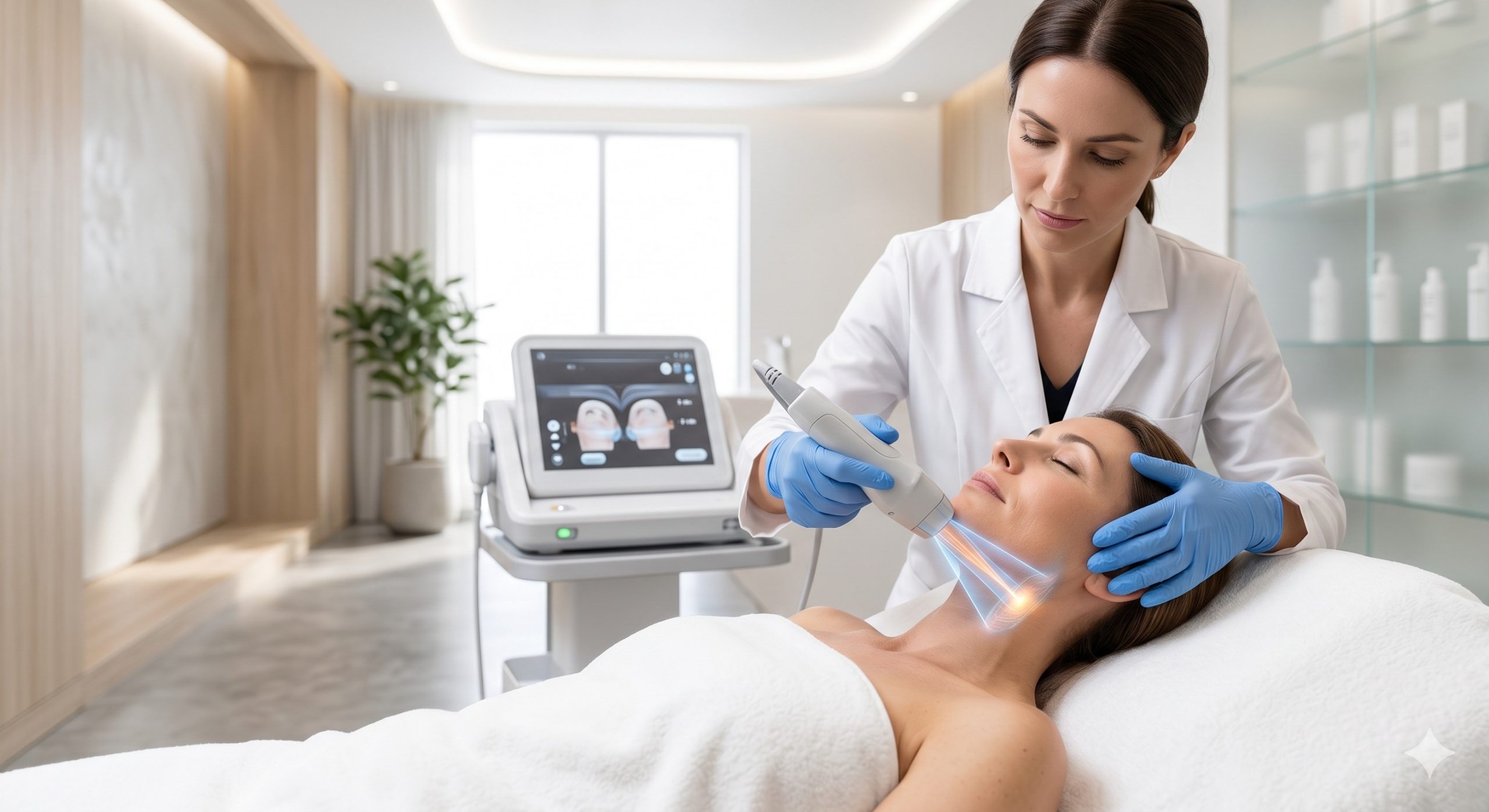
For the discerning medical aesthetics practitioner, the question ‘what does hifu stand for’ is merely the starting point of a far more critical clinical and business evaluation. HIFU stands for High-Intensity Focused Ultrasound. While the acronym is simple, the technology represents one of the most significant paradigm shifts in non-invasive facial rejuvenation and body contouring since the advent of laser therapy. Unlike light-based energy devices that rely on selective photothermolysis, HIFU bypasses the epidermis entirely, delivering precisely focused ultrasound energy to the foundational layers of the skin—the superficial musculoaponeurotic system (SMAS) and the deep dermis. This triggers a robust neocollagenesis and neoelastinogenesis cascade, offering a non-surgical alternative to a facelift. This guide is tailored for clinic owners and practitioners seeking an authoritative, technically grounded, and commercially viable understanding of this transformative technology. We will dissect the physics, the clinical parameters, the regulatory landscape, and the tangible return on investment, ensuring your practice remains at the forefront of aesthetic innovation.
The Physical Mechanism Deep Dive: Beyond the Acronym
From Transducer to Thermal Coagulation Points (TCPS)
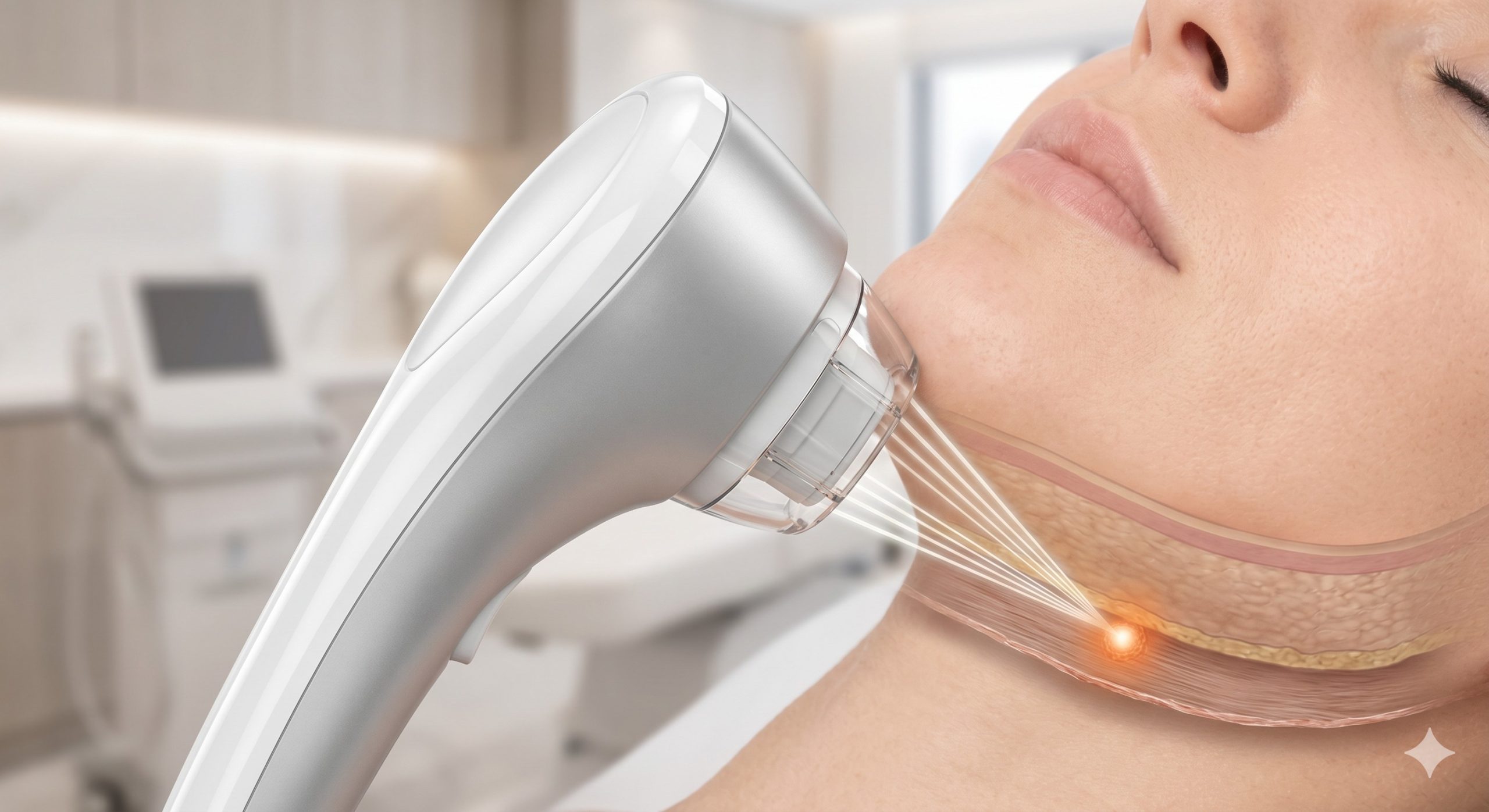
The core of HIFU technology lies in its ability to convert electrical energy into acoustic energy via a piezoelectric transducer. This transducer focuses a beam of high-intensity ultrasound into a microscopic focal volume, typically less than 1mm³, at a precise depth within the skin. The concentrated acoustic energy generates temperatures between 65°C and 85°C at the focal point, a zone known as a Thermal Coagulation Point (TCP). Unlike lasers that are absorbed by chromophores (melanin or hemoglobin), HIFU’s energy absorption is tissue-independent, relying on the mechanical vibration of tissue molecules to generate heat. This is a critical distinction when evaluating patient eligibility. The thermal injury at the TCP initiates the body’s natural wound-healing response, which in turn stimulates the production of new collagen and elastin over a period of 3 to 6 months, leading to progressive skin tightening and lifting.
Critical Technical Metrics: Depth, Spot Size, and Energy Density
The clinical efficacy of a HIFU device is governed by three interrelated parameters: treatment depth, spot size (line length), and energy density (Joules per line). Sophisticated devices offer cartridges that target depths of 1.5mm (superficial dermis), 3.0mm (deep dermis), and 4.5mm (SMAS layer). The choice of depth is pivotal and dictated by the patient’s skin laxity, subcutaneous fat thickness, and the specific treatment area. For example, a 4.5mm depth is essential for achieving a surgical-like lift of the SMAS, whereas 1.5mm is reserved for fine lines and textural improvements on the periorbital region. The spot size, or line length, affects the number of shots required and treatment time. Modern devices utilize a high-density, high-frequency approach, often delivering 20-30 lines per shot, which significantly accelerates treatment speed and improves patient comfort. Furthermore, advanced systems incorporate Impedance Feedback and Smart Energy Control, which automatically adjust the energy output (measured in Joules, e.g., 0.2J to 2.5J per line) based on tissue resistance, ensuring consistent and safe energy delivery across various tissue densities.
| Key Parameter | Technical Specification |
|---|---|
| Energy Source | High-Intensity Focused Ultrasound (HIFU) |
| Target Depths | 1.5mm (Dermis), 3.0mm (Deep Dermis), 4.5mm (SMAS) |
| Temperature at Focal Point | 65°C – 85°C |
| Cartridge Shot Lifespan | 200 – 400 Shots / 4,000 – 10,000 Lines |
| Regulatory Certifications | Medical CE (Class IIa), FDA Clearance, ISO 13485 |
| Primary Indications | Facial Lifting, Skin Tightening, Body Contouring, Wrinkle Reduction |
| Applicable Skin Types | Fitzpatrick Skin Types I – VI |
Treatment Workflow and Clinical Protocols
Fitzpatrick Skin Types and Treatment Indications
One of the most compelling advantages of HIFU, and a key differentiator from laser systems, is its safety profile across a wide spectrum of skin types. Because the mechanism of action is mechanical thermal coagulation, rather than photothermal absorption, the risk of post-inflammatory hyperpigmentation (PIH) is significantly reduced. This makes HIFU a safe and effective option for treating patients with Fitzpatrick Skin Types I through VI. This is a clinically significant advantage, especially in diverse populations, eliminating the need for the risk-stratification protocols required for IPL or certain resurfacing lasers. The primary indications for HIFU include:
- Facial Lifting and Tightening: Brow lift, cheek lift, jawline contouring, and reduction of submental (chin) fat. The 4.5mm SMAS depth is the go-to setting for these indications.
- Body Contouring and Skin Laxity: Non-invasive tightening of loose skin on the abdomen, arms, knees, and décolletage. Here, a 3.0mm depth with a higher energy output is often employed.
- Wrinkle Reduction: Softening of fine lines and wrinkles, particularly on the perioral and periorbital regions, using the 1.5mm depth.
Precision Targeting and Patient Comfort Protocols
While HIFU is generally well-tolerated, patient comfort during the procedure is paramount for high patient satisfaction and retention. The sensation is often described as a series of small, quick pinpricks or a low-level heat pulse. To further enhance comfort, many clinicians utilize a combination of techniques, including nerve blocks and the application of topical anesthetic cream at least 30 minutes prior to the procedure. However, it is important to distinguish between topical anesthesia and epidermal cooling. Unlike laser devices that integrate contact cooling to shield the epidermis from thermal damage, HIFU relies on its precise focal depth. The energy passes harmlessly through the epidermis and superficial dermis, so epidermal cooling is not a prerequisite for safety. Post-treatment, a calming mask or hydrogel is typically applied to soothe the treated area, and patients can resume normal activities immediately, making it a highly popular ‘lunchtime’ procedure.
Clinical Excellence, Safety, and Regulatory Compliance
Adherence to Global Standards: Medical CE, FDA, and ISO 13485
For any clinic integrating new technology, regulatory compliance is non-negotiable. A premier HIFU device must be engineered and manufactured in adherence to the highest standards. Look for devices that possess Medical CE (Class IIa) certification for the European market, indicating they meet the essential health and safety requirements of the Medical Device Regulation (MDR). For the US market, FDA clearance (K-Number) is a prerequisite, confirming the device is substantially equivalent to a legally marketed predicate device. Beyond these, the manufacturer’s quality management system should be certified to ISO 13485:2016, the international standard for medical device quality management. This certification ensures consistent design, development, production, and post-market surveillance processes. These certifications are not merely marketing badges; they provide critical audit trails and assurance of device reliability and safety.
Importance of Handpiece Durability and Lifetime Cost
An often-overlooked aspect of the total cost of ownership (TCO) is the durability of the consumable components. The HIFU cartridge is a consumable, with a finite number of shots (or lines) before it must be replaced. High-quality OEM devices are engineered with robust handpieces that utilize high-grade piezoelectric ceramics and military-spec wiring. Typically, a professional cartridge offers between 200 and 400 shots or 4,000 to 10,000 lines of energy delivery. It is crucial to calculate the cost per shot to determine consumable costs per patient. A device with a higher upfront cost but a significantly lower cost per line and a longer cartridge lifespan will yield a superior long-term profit margin. For example, a 400-shot cartridge offering 10,000 lines might enable you to treat 10 patients at 1,000 lines each, versus a 200-shot cartridge treating only 5 patients. This ‘cost-per-procedure’ metric is the foundation of a successful HIFU service offering.
Maximizing Clinic ROI: A Business Perspective on what does hifu stand for
Treatment Speed, Throughput, and Revenue Generation
In a competitive med-spa environment, the speed and efficiency of treatments directly impact the bottom line. Traditional HIFU devices were notorious for long treatment times—often exceeding an hour for a full face and neck. However, modern High-Intensity Focused Ultrasound platforms are evolving. Devices with larger spot sizes and high-frequency output have drastically reduced treatment times, with many clinics completing a full face and neck treatment in under 30 minutes. This high-throughput capability allows clinics to schedule more patients per day. To maximize profitability, a strategic tiered pricing model is essential. A single HIFU session is often priced as a premium service, usually ranging from $1,500 to $3,500 per treatment, depending on the region and market. However, it is clinically recommended that patients receive a series of treatments, typically a package of 2-3 sessions, to achieve optimal results. This increases the average transaction value and ensures patient adherence to the recommended treatment plan, leading to superior clinical outcomes and enhanced patient loyalty.
Strategic Marketing and Patient Acquisition
Marketing the HIFU treatment effectively involves educating prospective patients on the value proposition: a non-surgical, FDA-cleared alternative to a facelift with no downtime. Your marketing assets should focus on before-and-after images to demonstrate the lift and tightening effect, which is progressive over 3-6 months. Leverage targeted digital campaigns (SEO, Social Media) and in-clinic consultations to convey the science and safety of the treatment. By clearly articulating the ‘what does hifu stand for’ in simple terms and backing it with clinical evidence, you can capture a significant share of the anti-aging market. Furthermore, integrating HIFU into a combination therapy workflow—pairing it with injectables (e.g., neurotoxins, dermal fillers) or intense pulsed light (IPL) for pigmentation—can create a comprehensive, high-value rejuvenation package, further augmenting clinic revenue and patient satisfaction.
Conclusion: The Strategic Imperative for HIFU in Modern Aesthetic Practice
Understanding what does hifu stand for is just the genesis of a journey into one of the most scientifically robust and commercially viable treatment modalities in the aesthetic industry. HIFU offers a unique combination of deep tissue lifting, skin tightening, and contouring without the risks and downtime associated with surgical or ablative procedures. For the clinic, the technology provides a high-margin service with a strong patient appeal, driven by the global demand for minimally invasive anti-aging solutions. By prioritizing clinically vetted devices with verifiable regulatory certifications and rigorously analyzing the cost-per-procedure economics, you can build a sustainable and highly profitable HIFU service. As a trusted advisor to your patients, delivering demonstrable, long-lasting results is the ultimate key to success in this dynamic field.